
Summary
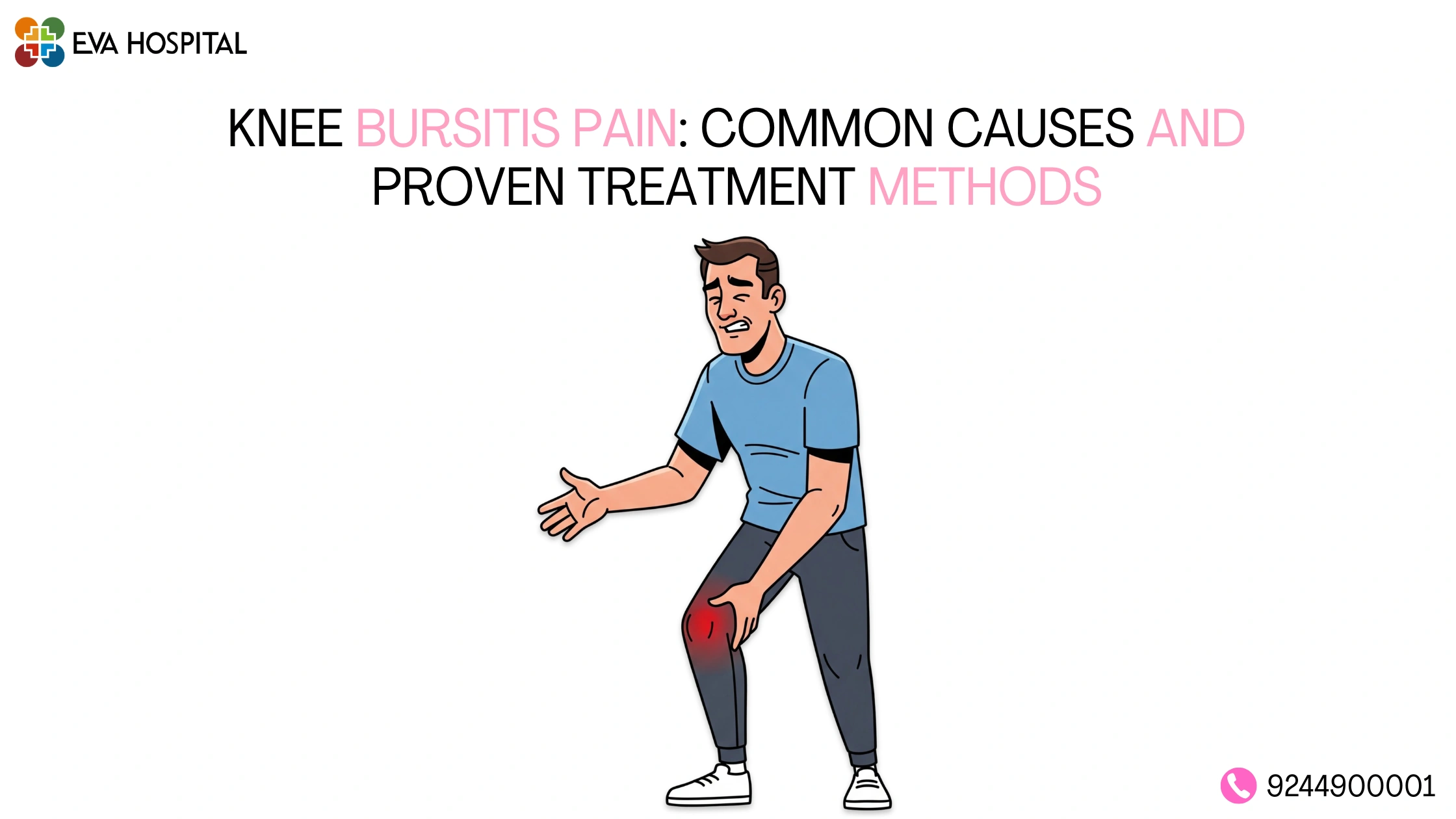
Knee pain can stop you in your tracks and prevent you from doing the things you enjoy; walking, running, climbing stairs and even lying comfortably in bed. The condition bursitis, a common cause of knee pain is often the cause of the problem and, without proper treatment, can have a domino effect on your mobility and lifestyle.
The article details all you need to know about the bursitis of knee-including what causes the disease, its symptoms, means of treatment, recovery period, preventive methods, activities you should avoid, exercises that can aggravate it, and also the role of a physiotherapist in speeding up your recovery.
Introduction
The knee is one of the most used joints of the human body. It carries your weight, aids you in walking, and cushions compression and everyday strain. Owing to use, the knee joint may get injured or inflamed in many ways. Knee Bursitis Pain is a very common problem in athletes, office workers, senior citizens and also in people who sit long hours on their knees.
Bursae are small, flat sacs filled with fluid that produce lubrication of areas where bones, muscles, tendons and skin would come into contact. When a bursa becomes inflamed because of injury, excessive pressure or overuse, various symptoms can occur, including swelling, tenderness and stiffness.
Thankfully, most cases do respond well to early intervention and lifestyle changes. Knowing the types and treatment options available will help you get better and back to your normal.
Understanding Knee Bursitis
Knee bursitis is a condition in which one or more of the bursae in the vicinity of the knee joint becomes inflamed. The inflammation induces swelling and pain, and movement can be hindered. Symptoms may include:
The condition may occur suddenly, following an injury or over time with repetitive loading. Those with occupations requiring long periods of kneeling such as plumbers, gardeners and builders are at particularly high risk. Early detection and appropriate care will help to minimize the potential for future long-term implications.
Types of Knee Bursitis
There are several bursae in the area of the knee and these can become inflamed in a number of locations. Prepatellar bursitis is the most common and involves inflammation of the prepatellar bursa just in front of the patella. Pes anserine bursitis is inflammation of a bursa on the medial side of the knee, and infrapatellar bursitis inflames a bursa inferior to the patella.
Different types of bunions have slightly different symptoms according to where they are. The symptoms shared by all types include swelling, tenderness and pain when moving.
Who Is Most at Risk?
Those who do repetitive motions at the knee are at more risk for developing bursitis. Athletes that runjump,or pivot often get the bursae irritated. People with arthritis, gout or diabetes might be at risk for inflamation about the knee.
Age might also play a role as the tissues around the knee are chronically degrading.
What is the etiology of posterior bursitis?
Inflammation behind the knee can also develop due to increased strain or repetitive motions irritating the bursae behind the knee. Jobs or activities that require repetitive turning, bending, kneeling, or squatting may be a cause of inflammation behind the knees. Other factors include: sports injuries, direct trauma, and joint diseases.
In certain situations, a pathogen, secondary infection, or other inflammatory conditions, like rheumatoid arthritis, might be involved. It is critical to diagnose the main reason as treatment may vary accordingly.
Repetitive Stress and Overuse
The structures of the knee can become sore with repetition. Repetition exerting a repetitive force on the joints can irritate the bursae and inflame them. This is common with athletes and active people.
By controlling activity levels and scheduling enough rest days, the chance of developing overuse bursitis can be decreased.
Underlying Medical Conditions
Some health problems have greater chance to causes bursitis. Arthritis, gout and some autoimmune disorders lead to the inflammation to be longer lasting around the knee. Infections can also make the bursae become swollen and sore.
Getting checked out by the doctor is important to determine if an illness or medical condition is to blame.
Signs and Symptoms of Knee Bursitis
Early identification of symptoms is essential to successfully the treatment. Symptoms severity is determined by extent of inflammation and involved bursa.
Symptoms commonly experienced are: Swelling, tenderness and warmth around your knee and pain when moving it. You may also have a lump or swelling filled with fluid around the knee.
Physical Changes Around the Knee
Swelling is usually visible with inflamed bursae. The overlying skin may also have a reddened or warm appearance. In sharp cases, there might be restricted movement because of the pain and stiffness.
Can become progressively worse if the inflammation is not treated.
Functional Limitations
Patients with bursitis knee symptoms may find difficult to go up the stairs, to walk a long way, to kneel down or to kneel. Moving can be painful with ongoing inflamation.
Diminished activity can also cause the muscles surrounding the area to decondition, which may prolong rehabilitation.
How Is Knee Bursitis Diagnosed?
Thorough medical history and physical examination are essential for diagnosis. The factors considered are the patient’s symptoms, range of motion, and swelling pattern.
In some cases, it may be necessary to conduct more tests to exclude other conditions of the knee for example ligament injury or osteoarthritis.
Imaging Tests
Knee can be examined using X-ray, ultrasound scans and MRI imaging to identify inflamed bursae. Bursae are not always visible on plain X-ray, but techniques are useful for ruling out other abnormal structural issues.
Imaging becomes even more helpful when the presentation is chronic or severe.
Fluid Analysis
If infection is suspected, your doctor may take a small sample of fluid from the swollen bursa so it can be tested in the lab. This will help to find out if bacteria or other inflammatory factors are involved.
Making sure you have the correct diagnosis will also allow us to come up with the most appropriate course of action.
Proven Treatment Methods for Knee Bursitis
The majority of cases responded to conservative treatment. Early treatment can go a long way to relieving pain and preventing chronic inflammation.
Treatment plans are individualized and will depend upon the severity of symtoms, etiology and the individual.
Rest and Activity Modification
One of the quickest and easiest solutions is to avoid activities that put additional strain on the knee. Offloading the joint allows it to heal naturally.
Diverts in daily life may help accelerate Healing and minimize Pain.
Medical and Physical Therapy Approaches
Knee bursitis treatment. Common professional treatments include anti-inflammatory medications, physical therapy, and braces. Physical therapists often prescribe strengthening and stretching exercises.
For more severe cases, corticosteroid injections may be used to decrease inflammation and provide pain relief.
Activities to stay away from with knee bursitis
Can you exercise? Yes, but be aware that sometimes can aggravate symptoms. During flare are not recommended impact movements as well as overloading the knee.
It is better to keep the inflamed bursa well-padded to encourage healing process and prevent prolonging of symptoms.
High-Impact Activities
Repeated activities such as running, jumping or vigorous sports may provoke further irritation of the inflamed bursa, as these involve repetitive forces on the knee and may prolong the course of recovery.
Along with switching to lower-impact activities such as swimming or cycling due to take place.
Deep Knee Flexion Exercises
Deep squats, lunges, and kneeling movements can have a big impact on the area. These movements tend to increase pain, so should be altered or avoided as much as possible until.
Consulting with a physical therapist can assist in determining all the safer exercises to perform.
Lifestyle Changes That Support Recovery
Minor lifestyle changes can have a dramatic impact. Regular self-care practices can be beneficial alongside treatment and prevent flare-ups in the future.
Small changes can go a long way in protecting the knee joint.
Maintaining a Healthy Weight
Excess weight adds to the stress on the knee joint and surrounding tissues. Weight reduction can decrease stress through the bursae and promote a quicker healing time.
Decreased in weight even by small amounts has the potential to bring about improvements in symptoms and mobility.
Using Protective Equipment
Use knee pads for padding if you have a job that requires considerable kneeling. Appropriate footwear and padding may help to support the knee.
Prevention is even more relevant to groups of patients at higher recurrence risk!
How long does a knee bursitis take to heal?
Time to cure depends on the degree of inflammation and treatment efficacy. Light inflammation usually heals within weeks, whereas severe inflammations may require months.
Listening to the doctor and not doing the activities that make you worse in general aid recovery.
Factors Affecting Recovery
Healing time can also be affected by age, general health, level of activity, and compliance to all treatments suggested. Those who maintain activities which cause irritation to their knee may have persistent symptoms.
Additionally, treatment of underlying medical condiitons can also lead to a more rapid recovery.
When to Seek Further Medical Attention
If symptoms continue or radiate without responding to medication, develop, or are compounded by fever and profound edema(Magnified swelling of an affected part), seek medical advice. Ongoing inflammation may be due to infection or another disorder.
Initiating intervention early can often be a means of preventing complications.
Steps for booking an online consultation for alleviating pain of knee bursitis
To book an online consultation for easing pain related to knee bursitis, you have to
The procedure to book an online consultation to seek pain relief for any disease may like knee bursitis
However, when knee pain start to affect your quality of life, it’s time to see an orthopedic doctor. He/She is capable to diagnose and treat the problem.
One of the well known orthopedic surgeon and sports injury specialist Dr Tanveer Bhutani Ortho doctor in Ludhiana is available in Ludhiana for the orthopedic treatment. He is a experienced specialist for the different knee problems, joint complications and various sports injuries. Patients can reach to the Eva hospital website and take appointment online or directly call to the hospital.
Website: https://evahospital.in/
Phone Number: +91 92449 00001
Why Choose a Specialist Consultation?
Specialist consultation offers with correct diagnosis and allows treatment in high-tech equipments. Each patient is personalized management based on his needs and expectation towards his recovery.
Seeking early advice can avoid a trivial symptom becoming chronic.
What to Expect During the Appointment
The doctor will discuss your symptoms and ask about your medical history and activity levels during the consultation. They may order some diagnostic tests if they feel they are needed.
Patients will be treated on a case-by-case basis according to their findings in order to improve mobility and reduce pain.
Preventing Future Knee Problems
Prevention of long-term knee problems is as equally important. Once you have had bursitis you are prone to having it again.
Developing healthy behaviors can help prevent the recurrence.
Proper Warm-Up and Stretching
Warming up: by doing warm up exercises the structures get ready for the stress of exercise. Stretching: by stretching the muscles you help to reduce the stress imposed on the knee structures.
Regularly warm up at the beginning of each training session helps to prevent inflamation.
Balanced Activity Levels
Gradually avoiding sud dens elevates in physical activity to prevent the knee from undue loading.
Complete activity enhances performance and protects joints.
Conclusion
Having pain in the knees can be challenging and painful but by having an understanding of what causes pain and what can be done to treat the pain will go a long way in making the recovery process easier. Doing the proper diagnosis, resting and learning some exercizes can be the start to getting rid of the pain. The pain from knee Bursitis can originate from overuse, injuries or a medical problem but if treated early no one needs to suffer from pain.
All symptoms should be addressed promptly, treatment advised should be followed, and lifestyle trends and habits should be introduced or eliminated where appropriate.The sooner the better, and the results will last a lifetime.
FAQs
What is Bursitis Knee?
Bursitis Knee is a condition characterized by inflammation of the bursae surrounding the knee joint. This condition can result in swelling, pain and tenderness and pain during movement.
Bursitis around knee, what was it?
Knee bursitis is inflammation in bursae (fluid-filled sacs adjacent to the knee joint) caused by trauma, pressure, infection, or repetitive movement.
Is it possible for knee bursitis to resolve without treatment?
Mild instances tend to get better with relative rest, activity modification and home care. If symptoms persist, seek medical attention.
What is the best for walking knee bursitis?
Gentle walking could be helpful in maintaining mobility, but if done too much during an “attack” it can aggravate symptoms. Activity should be ceased according to how comfortable the patient feels.
Is it possible for the flare up of knee bursitis to recur?
Indeed, reoccurrences can happen, particularly if the causes are not taken into account. However, the use of safety gear and the correct way of properly training oneself in exercising can lower the chances of reoccurrences.
How long do I need to wait before consulting a doctor?
Seek medical care if the symptoms are severe, last more than a few weeks, or are accompanied by redness, fever, or swelling.