
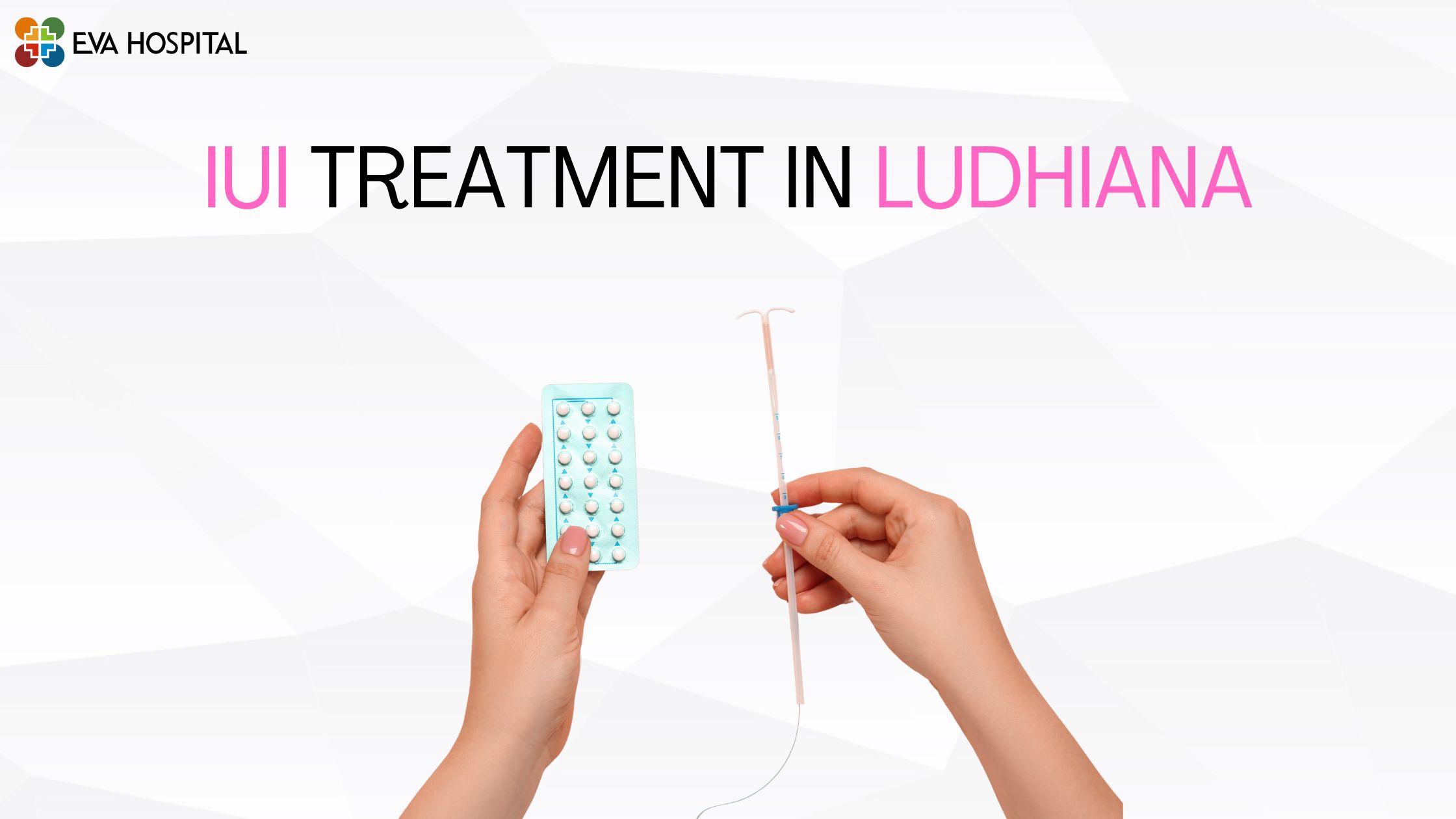
What is IUI treatment?
Intrauterine insemination (IUI) is a procedure in which prepared sperm is placed inside the woman’s uterus around the time of ovulation. It is used in selected situations, and it is not suitable for every couple.
Some common indications for IUI are as follows:
Unexplained Infertility: When the usual testing procedure fails to elicit any probable causes of infertility.
Cervical Factor: The IUI can bypass cervical mucus that may inhibit natural conception.
Male factor infertility: Usually in situations where, according to medical consideration, the male partner has a low sperm count, low sperm motility, or abnormal sperm morphology.
Ejaculatory Dysfunction: The condition is defined such that an adult male cannot satisfactorily ejaculate into the vagina for some required period of time during coitus.
How Is IUI Done?
Ovulation Monitoring: Additional investigations can be carried out to assess the best time for insemination, including hormone level tracking and ultrasound scans.
Semen Collection and Preparation: The male partner provides a sperm sample that will be carefully processed in the laboratory to separate out the healthiest and most motile sperm.
Insemination: The prepared sperm is inserted through a thin catheter directly into the uterus of the female. The procedure is usually quick and does not need surgery. Mild cramping may occur. After insemination, the woman’s reproductive cycle is monitored for the success of the procedure. The woman may receive hormonal support if necessary.
Pregnancy Test: Once the IUI procedure is carried out, A pregnancy test is done to check whether pregnancy has occurred.
Facilities and Services
Fertility Evaluation and IUI: Fertility evaluation and IUI are provided by the hospital’s obstetrics and gynaecology team.
Laboratory Facilities: Laboratory facilities for semen processing are available for IUI.
Individualised Treatment Plans: Treatment is planned after evaluation of the couple’s needs.
Counselling: Counselling and emotional support are available during IUI treatment.
Who May Not Be Suitable / Limitations and Risks
“IUI is not suitable for every couple. It generally requires open fallopian tubes and a sufficient number of healthy sperm after processing. IUI does not guarantee pregnancy, and more than one cycle may be needed. When fertility medicines are used, there is a risk of multiple pregnancy and, uncommonly, ovarian hyperstimulation. Other risks include cramping, spotting and, rarely, infection. If IUI is unlikely to help, other treatments such as IVF or ICSI may be discussed. The doctor explains the risks and expected outcomes before treatment.”
To discuss whether IUI is suitable for you, consult the Fertility team at Eva Hospital, Pakhowal Road, Ludhiana