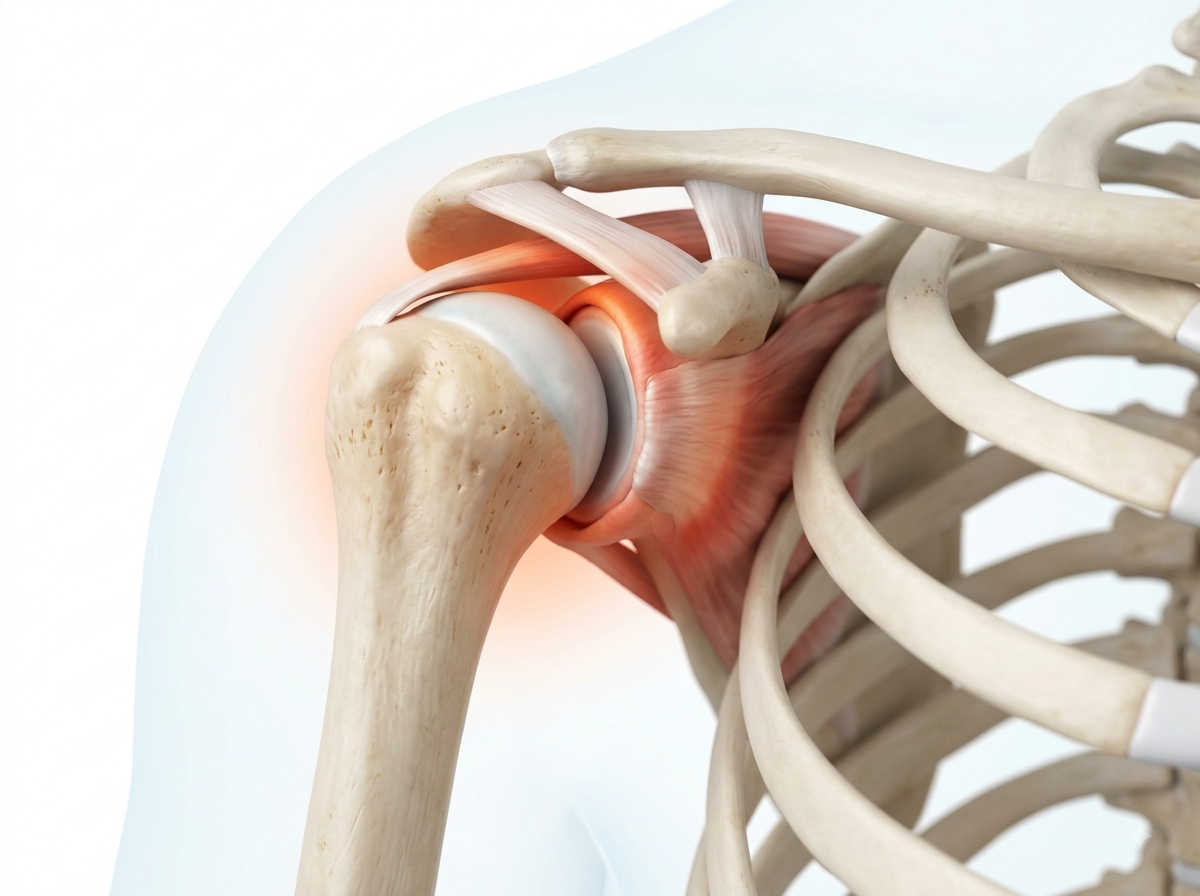
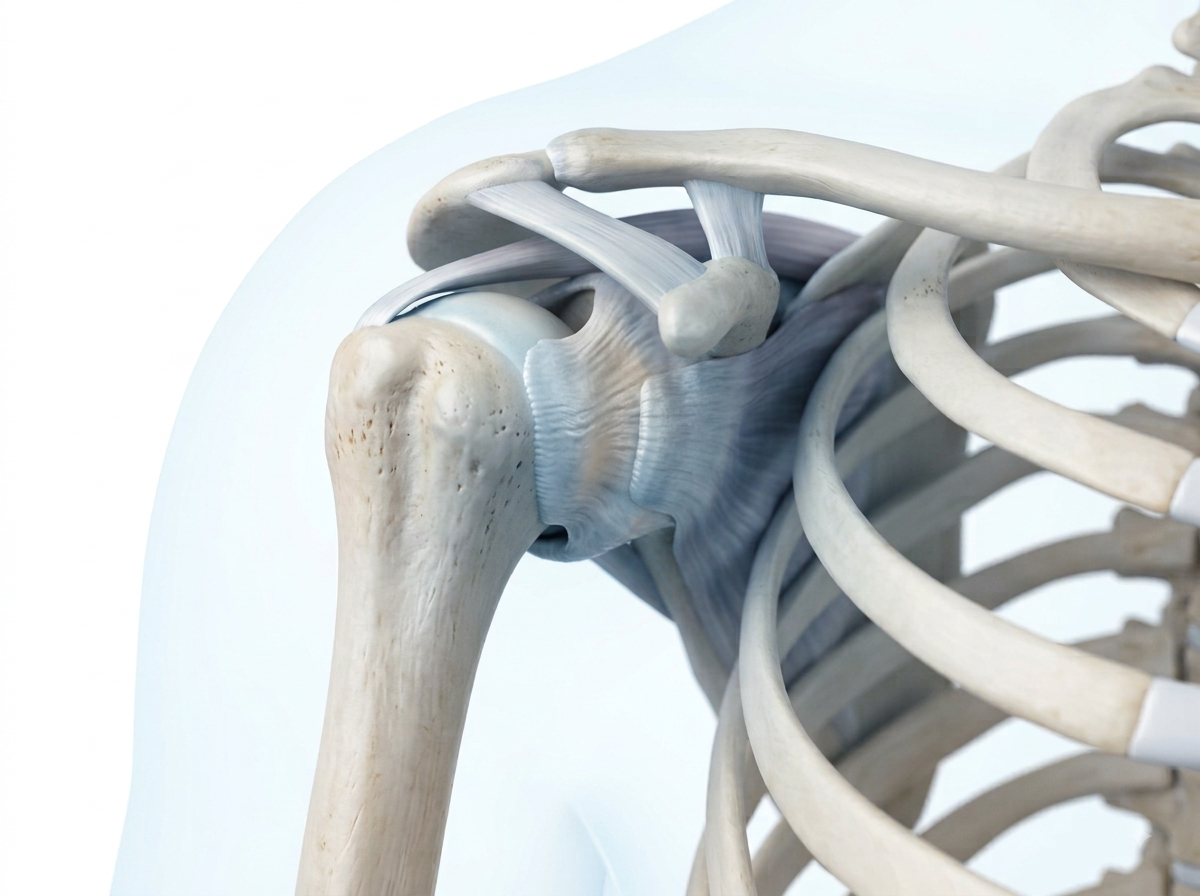
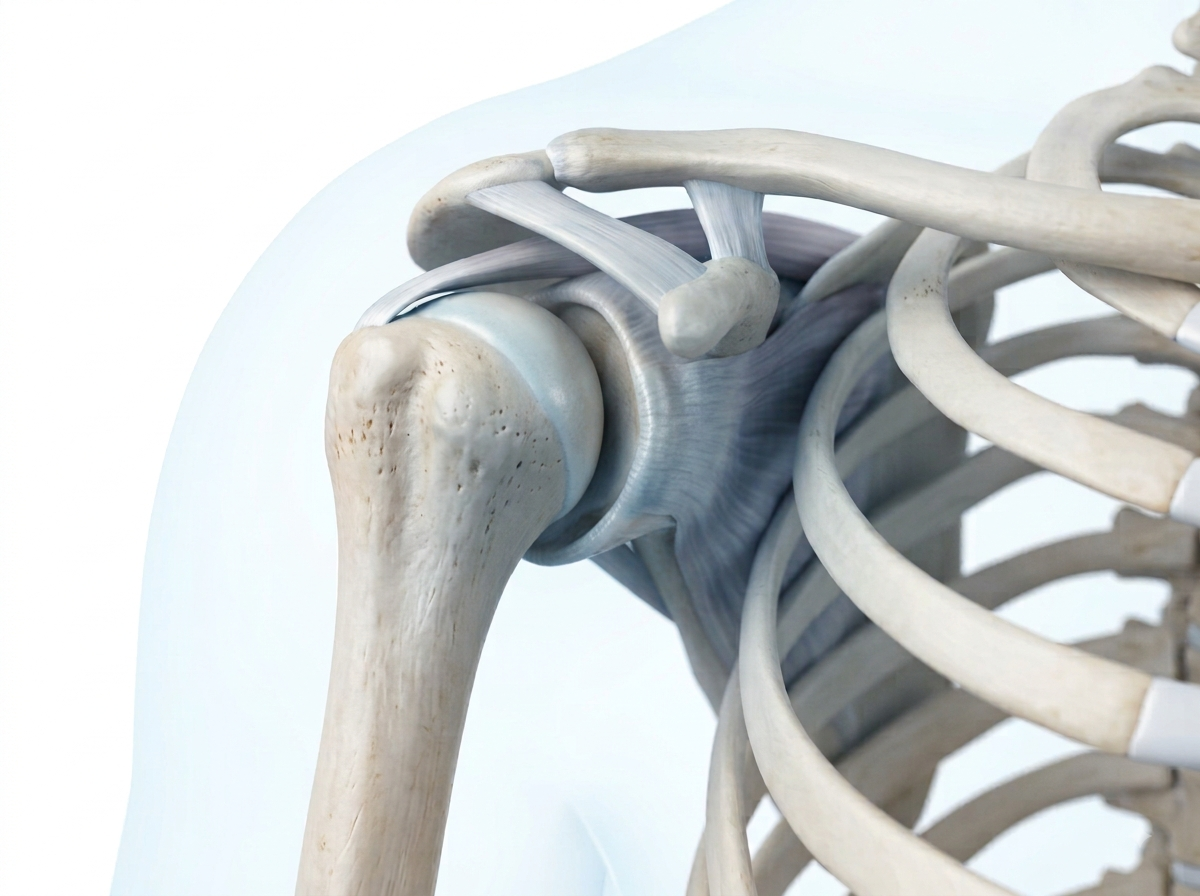
Expert treatment for painful stiff shoulders — from physiotherapy to arthroscopic capsular release
Not every frozen shoulder needs surgery. Most patients improve with the correct combination of medication, physiotherapy, injections and supervised rehabilitation. When stiffness persists despite months of treatment, minimally invasive arthroscopic capsular release can restore movement and significantly reduce pain.
Diffuse, worsens through Stage 1, and is present with most movements.
Typically localised to the outer or upper shoulder and worse with specific movements.
Weakness
Usually minimal true weakness once pain is accounted for.
Often a genuine, measurable weakness, especially with lifting or overhead activity.
Night Pain
Prominent, especially in Stage 1.
Common, especially when lying on the affected shoulder.
Stiffness
Severe and global — restricted in all directions, including passive movement when examined.
Usually preserved passive movement; active movement is limited more by pain or weakness.
Range of Motion
Markedly reduced in every plane, including elevation and rotation.
May be near-normal, or reduced mainly in specific planes.
MRI Findings
Often relatively unremarkable, or may show capsular thickening. MRI is not always needed to diagnose it.
Shows the tendon tear directly, along with its size, retraction and muscle quality.
Need for Surgery
Uncommon — generally reserved for prolonged, treatment-resistant stiffness.
Depends on tear size, symptoms and function; surgery is more frequently considered.
Recovery
Self-limiting over 1–3 years in most cases, with recovery potentially faster with appropriate treatment.
Recovery depends heavily on whether the tear is treated surgically or non-surgically.
How We Diagnose Frozen Shoulder
History
Pattern of onset, progression, night pain and any preceding injury, surgery or period of immobilisation.
Clinical Examination
Assessment of active and passive range of motion — the hallmark of frozen shoulder is restricted movement even when the examiner moves the arm for the patient.
Range of Motion Testing
Elevation, external and internal rotation are measured and compared with the opposite shoulder.
X-rays
Used mainly to rule out arthritis or other bony causes of stiffness, not to diagnose frozen shoulder itself.
MRI
Not routinely required. Reserved for atypical presentations, suspected associated rotator cuff pathology, or when symptoms don't fit the typical frozen shoulder pattern.
Blood Sugar Testing
Recommended in patients with risk factors or an unclear diagnosis, given the strong association between frozen shoulder and diabetes.
Treatment of Frozen Shoulder
Stage 1 — Pain Relief
Focused on calming the acutely painful, inflamed capsule.
NSAIDs
Heat
Sleep advice
Home exercises
Stage 2 — Structured Physiotherapy
Once acute pain settles, movement work begins in earnest.
Stretching
Joint mobilization
Home exercise programme
Steroid Injection
Most useful early, particularly in Stage 1, when pain and inflammation dominate the picture.
Best time: early in the painful phase
Who benefits: patients with significant pain limiting participation in physiotherapy
Who should avoid repeated injections: patients who have already had several injections without lasting benefit, or where tissue quality is a concern
Hydrodilatation
A procedure in which fluid is used to gently distend and stretch the tight capsule.
Who benefits: selected patients with persistent stiffness who have not fully responded to physiotherapy and injections
Evidence: reasonable short-to-medium-term benefit in appropriately selected patients
Limitations: benefit is not universal, and effects can be temporary in some patients
Manipulation Under Anaesthesia
The shoulder is gently but forcefully moved through its range while the patient is anaesthetised, mechanically tearing the contracted capsule.
Pros: can produce a rapid increase in range of motion
Cons: less controlled and less precise than arthroscopic release; movement is forced rather than directly visualised
Potential complications: fracture, dislocation, and rarely rotator cuff injury from the forceful manipulation
Why it's performed less frequently today: arthroscopic capsular release allows the tight capsule to be released under direct vision, with a more controlled and predictable outcome
Arthroscopic Capsular Release
For long-standing, treatment-resistant stiffness, this is generally the most reliable and controlled surgical option.
Tiny keyhole surgery
Release of the contracted, thickened capsule under direct arthroscopic vision
Immediate improvement in movement on the operating table
Early physiotherapy begins right away to maintain the gains made during surgery
Encouraging outcomes reported by patients in appropriately selected cases
Particularly suited to:
Diabetic patients, who often have a more resistant course
Long-standing stiffness that has not responded to conservative measures
Patients who have failed a well-supervised conservative treatment programme
When Is Surgery Recommended?
Pain for 6–9 months
Failed physiotherapy
Minimal improvement
Unable to work
Persistent severe stiffness
Failed injection
Post-traumatic stiffness
Patient Stories
Recovery Timeline
Recovery Timeline
What to Expect
Week 1
Early, guided physiotherapy begins soon after treatment to maintain the range of motion achieved during surgery. Pain, swelling and discomfort are managed with prescribed medication, ice and appropriate activity modification.
Week 2–6
Intensive physiotherapy continues with a focus on maintaining and gradually improving shoulder movement while preventing the capsule from becoming stiff again. Exercises are progressed according to comfort and clinical recovery.
6–12 Weeks
Progressive strengthening exercises are introduced as shoulder movement becomes more consistent and comfortable. The emphasis shifts towards rebuilding strength, control and function.
3 Months
Most patients have regained a substantial amount of functional shoulder movement and can perform many everyday activities more comfortably. Rehabilitation continues to address remaining stiffness and weakness.
6 Months
Continued improvement in shoulder strength, comfort, mobility and confidence is expected. Some patients may continue to make gradual gains beyond this stage with ongoing exercises and rehabilitation.
Frozen Shoulder in Diabetic Patients
Frozen shoulder is very common in patients with diabetes, and its behaviour differs meaningfully from non-diabetic patients.
Higher Incidence
Diabetics develop frozen shoulder considerably more often than the general population.
More Severe
Stiffness tends to be more pronounced and more difficult to fully reverse with conservative measures alone.
Longer Recovery
Each stage of the condition, and the overall timeline, often runs longer in diabetic patients.
Need for Strict Sugar Control
Good glycaemic control is an important part of the overall treatment plan, not just background management.
Greater Chance of Requiring Surgery
Because conservative treatment is less reliably sufficient, diabetic patients more often go on to need arthroscopic capsular release.
Frozen Shoulder Specialist
Dr. Tanveer Bhutani
Dr. Tanveer Bhutani treats frozen shoulder across its full spectrum — from early painful stiffness managed with physiotherapy and injections, through to long-standing, treatment-resistant cases requiring arthroscopic capsular release. Particular attention is given to diabetic patients, whose frozen shoulder often runs a more severe and treatment-resistant course, and who more frequently benefit from arthroscopic treatment.
Yes, in many patients frozen shoulder is self-limiting and improves over 1–3 years even without specific treatment, though appropriate treatment usually shortens this timeline and reduces the severity of stiffness along the way.
Yes. Diabetic patients tend to have a more severe, longer-lasting and more treatment-resistant course, and more frequently require arthroscopic treatment.
Gym activity itself is not a typical direct cause, but an injury sustained during exercise, or a prolonged period of reduced shoulder movement afterward, can contribute in some patients.
Yes, it can occur in the second shoulder at a different time, particularly in diabetic patients, though it does not usually affect both shoulders simultaneously.
Frozen shoulder is often a clinical diagnosis based on history and examination. MRI is not routinely required and is reserved for atypical cases or when another shoulder problem is also suspected.
Postoperative discomfort is expected after arthroscopic capsular release, but it is managed with pain medication, and the immediate improvement in movement is usually reassuring to patients.
Yes — physiotherapy is essential both before and, especially, after arthroscopic capsular release. Skipping it significantly compromises the surgical result.
Recurrence of significant stiffness after a well-performed capsular release followed by consistent physiotherapy is uncommon, though some residual stiffness can persist in a minority of patients.
Driving should resume only once you have regained enough painless movement and control to operate a vehicle safely, including emergency manoeuvres — this varies between patients.
True permanent frozen shoulder is uncommon; most patients regain substantial movement over time, though a small proportion have some residual stiffness even after treatment.
Frozen shoulder causes global stiffness restricting movement in every direction, including when the examiner moves the arm, whereas a rotator cuff tear more often causes localized pain and weakness with relatively preserved passive movement.
Without treatment, the full cycle through freezing, frozen and thawing stages can take 1–3 years; appropriate treatment often shortens this and reduces symptom severity.
No. They can meaningfully reduce pain and inflammation, particularly early in the condition, but they do not by themselves resolve the underlying capsular tightening.
A procedure in which fluid is injected to gently stretch and distend the tight shoulder capsule, sometimes used for persistent stiffness that hasn’t responded to physiotherapy and injections alone.
A procedure where the shoulder is forcefully moved through its range while the patient is anaesthetised, mechanically breaking up the contracted capsule. It carries more risk of fracture or other injury than arthroscopic release and is used less often today.
Capsular release directly divides the tight capsule under arthroscopic vision in a controlled way, rather than forcing movement blindly, which generally makes it a more predictable and controlled option.
If shoulder stiffness and pain are progressively worsening over several weeks, disturb sleep, or significantly limit daily activities, an assessment is worthwhile rather than assuming it will resolve on its own.
Early, guided movement (as permitted) after an injury or surgery, rather than prolonged immobilisation, can reduce the risk of developing secondary frozen shoulder in some patients.
Struggling With a Painful, Stiff Shoulder?
Book a consultation with Dr. Tanveer Bhutani at Eva Hospital, Ludhiana, for an accurate diagnosis and a treatment plan matched to your stage of frozen shoulder.