







Comprehensive Guide by Dr. Tanveer Bhutani

Total Knee Replacement Surgery in Ludhiana

Living with severe knee arthritis can make every step painful. If walking, climbing stairs, sleeping, or enjoying everyday life has become difficult despite medicines, injections, physiotherapy or lifestyle modifications, knee replacement surgery may help restore mobility and improve quality of life.At Eva Hospital, every patient undergoes a detailed evaluation before surgery is recommended. Treatment is individualised, and when surgery is required, both conventional and robotic-assisted knee replacement options are available depending on the patient’s needs.
Dr Tanveer bhutani Ortho surgeon

Where it starts

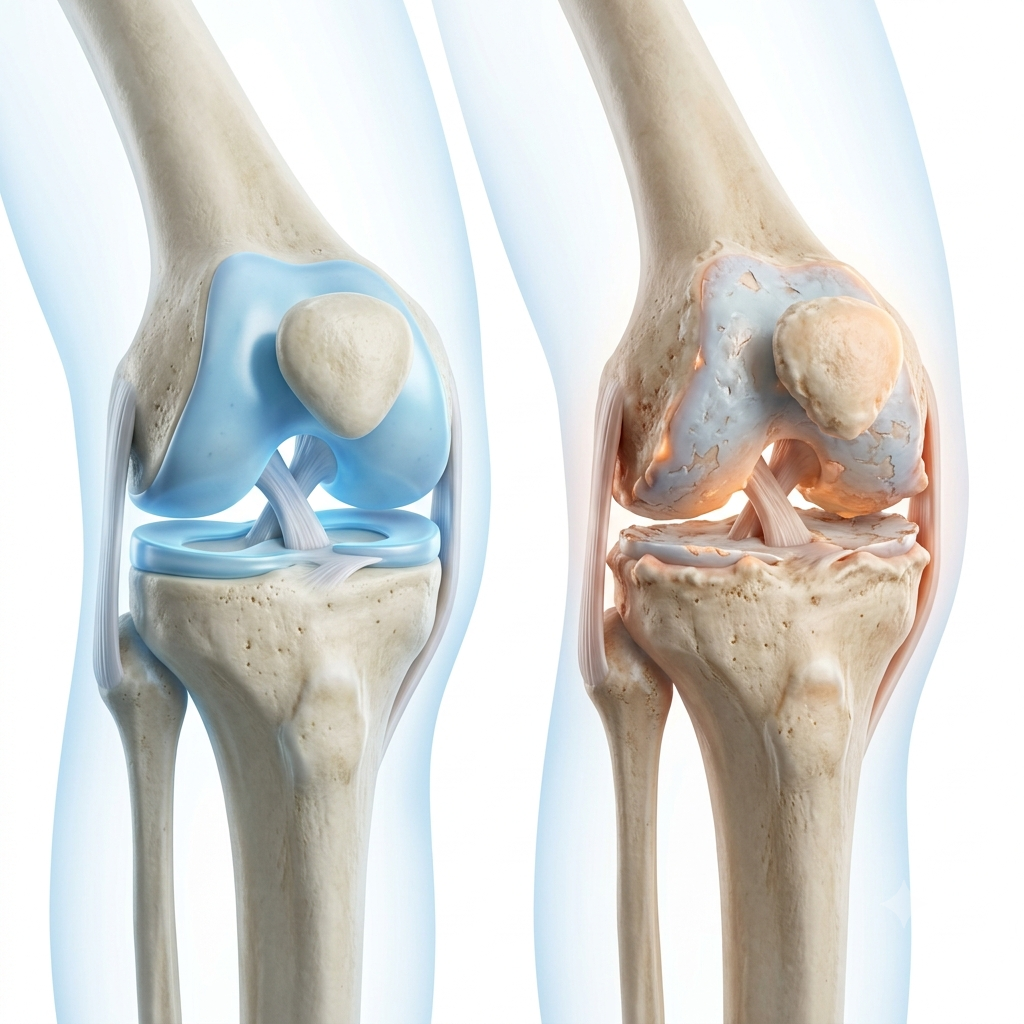
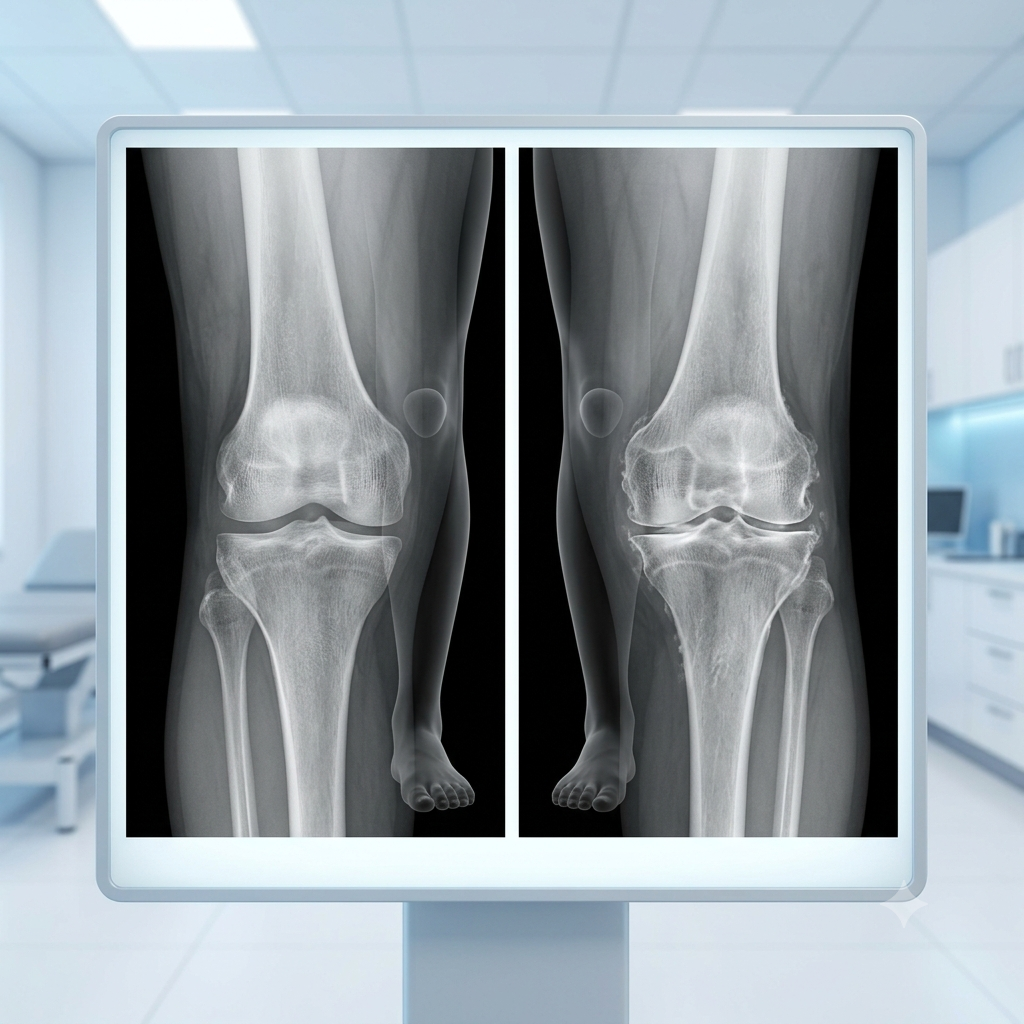
Understanding Knee Arthritis

The anterior cruciate ligament (ACL) is one of the four main ligaments that stabilise the knee joint. It runs diagonally through the middle of the knee, connecting the thigh bone (femur) to the shin bone (tibia).
As cartilage thins, the bones lose their protective cushion, friction increases, and the joint becomes progressively stiffer and more painful with everyday movement.
Recognising advanced arthritis

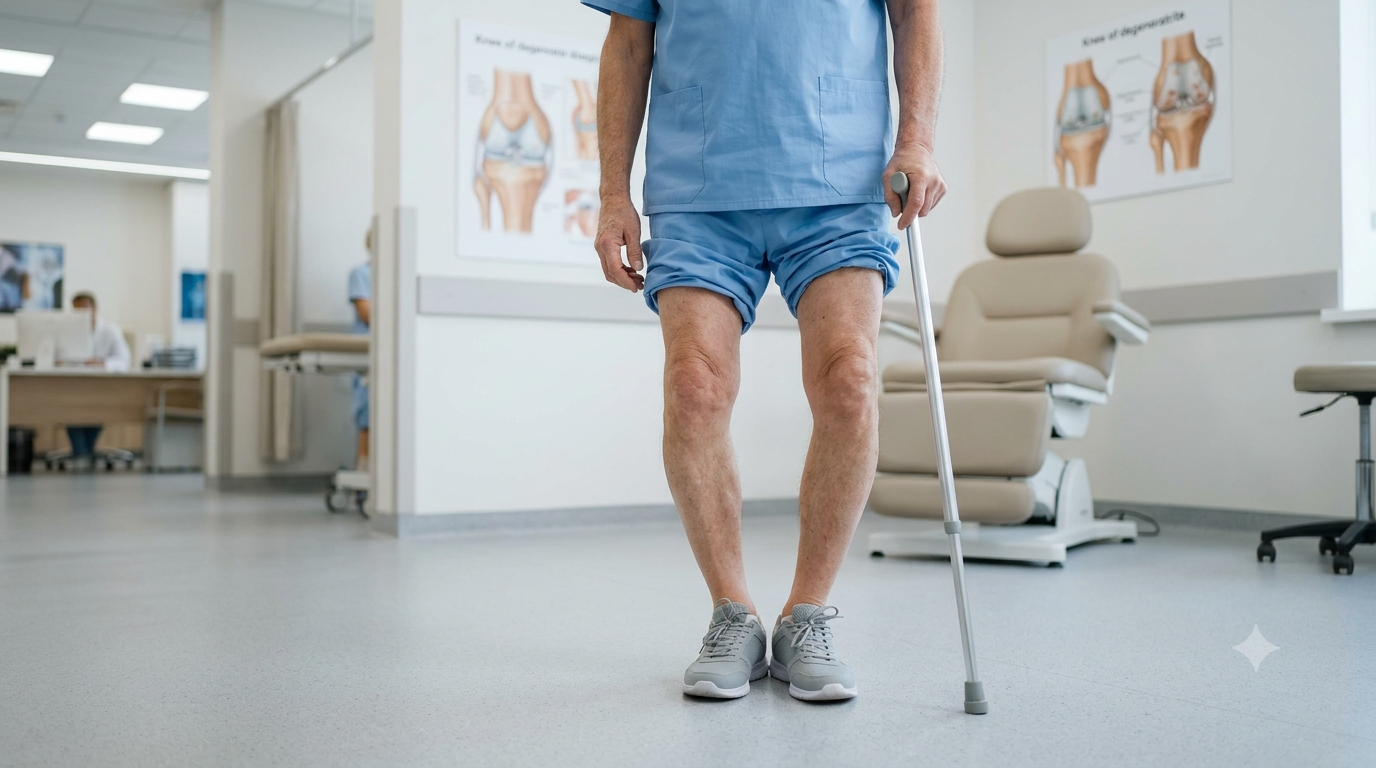
Symptoms of Advanced Knee Arthritis

Pain While Walking

Discomfort that worsens with weight-bearing activity.

Difficulty Climbing Stairs

Stairs become one of the earliest activities to be affected.

Knee Stiffness

Reduced range of motion, especially after rest.

Bow Legs

A visible outward bowing of the legs as cartilage wears unevenly.

Knock Knees

An inward angling of the knees, also from uneven wear.

Swelling

Fluid build-up in the joint, particularly after activity.

Night Pain

Pain that disturbs sleep, even without activity.

Difficulty Rising from a Chair

Getting up after sitting becomes noticeably harder.

Reduced Walking Distance

Shorter distances become tiring or painful to cover.

The most important question

Do You Really Need Knee Replacement?

Surgery is never the first treatment

Every effort is made to avoid surgery whenever appropriate. Knee replacement is considered only after non-surgical treatment has been tried and has stopped giving meaningful relief, or when arthritis has progressed to a point where it is significantly affecting daily life. The goal of your first consultation is an honest evaluation — not a recommendation for surgery by default.

What's tried first

Non-Surgical Treatment

Weight Reduction

Physiotherapy

Quadriceps Strengthening

Activity Modification

Walking Aids

Pain Medicines

Braces

Hyaluronic Acid Injections

Being honest about what these treatments can do
Many patients benefit from these treatments during the earlier stages of arthritis, but once cartilage loss becomes advanced, they generally provide temporary symptom relief rather than reversing the disease. They remain a valuable part of management even at that stage, but expectations should be realistic.

Signs it may be time

When Should Knee Replacement Be Considered?

Rather than relying on an imaging grade alone, the decision is guided by how arthritis is affecting your daily life. Patients should consider surgery when:
Choosing the right procedure

Types of Knee Replacement

Not every patient needs the same procedure. Explore each option below.

Total Knee Replacement

Both sides of the joint are resurfaced — the most common procedure for widespread arthritis.

Partial Knee Replacement

Only the damaged compartment of the knee is replaced, preserving healthy bone and ligaments.

Bilateral Knee Replacement

Both knees replaced in a single admission for patients with arthritis in both joints.

Revision Knee Replacement

Replacing or revising a previous implant that has worn out or loosened.

A balanced comparison

Conventional vs Robotic-Assisted Knee Replacement

Neither technique is universally “better” — both are valid, evidence-based options.

Conventional Knee Replacement

Robotic-Assisted Knee Replacement

How the choice is made
At Eva Hospital, both conventional and robotic-assisted knee replacement are available. The choice depends on the patient’s condition, anatomy, surgical goals, and discussion with Dr. Tanveer Bhutani. The most suitable technique is selected for each individual, rather than following a one-size-fits-all approach.
No universal answer

Which Implant Is Best?

There is no universally “best” implant. The right choice depends on the individual, not a brand.

Age

Younger, more active patients may have different demands than older patients.

Bone Quality

Bone density and stock influence which implant design fits best.

Deformity

The degree of bowing or angulation affects planning and implant choice.

Activity Level

A more active lifestyle may call for different considerations than a sedentary one.

Ligament Balance

The stability of surrounding ligaments guides implant type and constraint.

Surgeon Experience

Familiarity and outcomes data with a given system matter as much as the design itself.

Individual Anatomy

Every knee is shaped differently, and implant selection follows the anatomy, not the reverse.

Getting ready

Preparing for Surgery

Medical evaluation

Blood tests

X-rays

Anaesthesia review

Medication advice

Home preparation

A simple overview

What Happens During Knee Replacement?

Admission

Anaesthesia

Joint Preparation

Implant Placement

Closure

Recovery

Modern pain protocols

Pain Management

Pain management is planned from the outset, not addressed only after surgery. A modern, multimodal approach is used to keep patients comfortable and moving early.

What to expect, day by day

Recovery Timeline

Recovery TimelineWhat to Expect
Day 0Standing and taking the first few steps with support, usually on the same day as surgery.
Day 1Structured physiotherapy begins, including supervised walking and stair practice.
Week 2Walking more comfortably, wound healing well, and reduced dependence on walking aids.
Week 6Most daily activities become easier with continued strengthening and improved mobility.
3 MonthsSignificant functional recovery with better stamina, mobility, and confidence.
6 MonthsContinued improvement in strength, range of motion, and overall comfort.
12 MonthsMost patients achieve their maximum level of recovery and return to normal activities.
Recovery varies between individuals — this timeline is a general guide, not a guarantee.
Getting back to daily life

Life After Knee Replacement

Drive

Usually yes, 4–6 weeks

Travel

Usually yes, after initial recovery

Climb Stairs

Usually yes

Sit Cross-Legged

Often limited

Kneel

Often uncomfortable

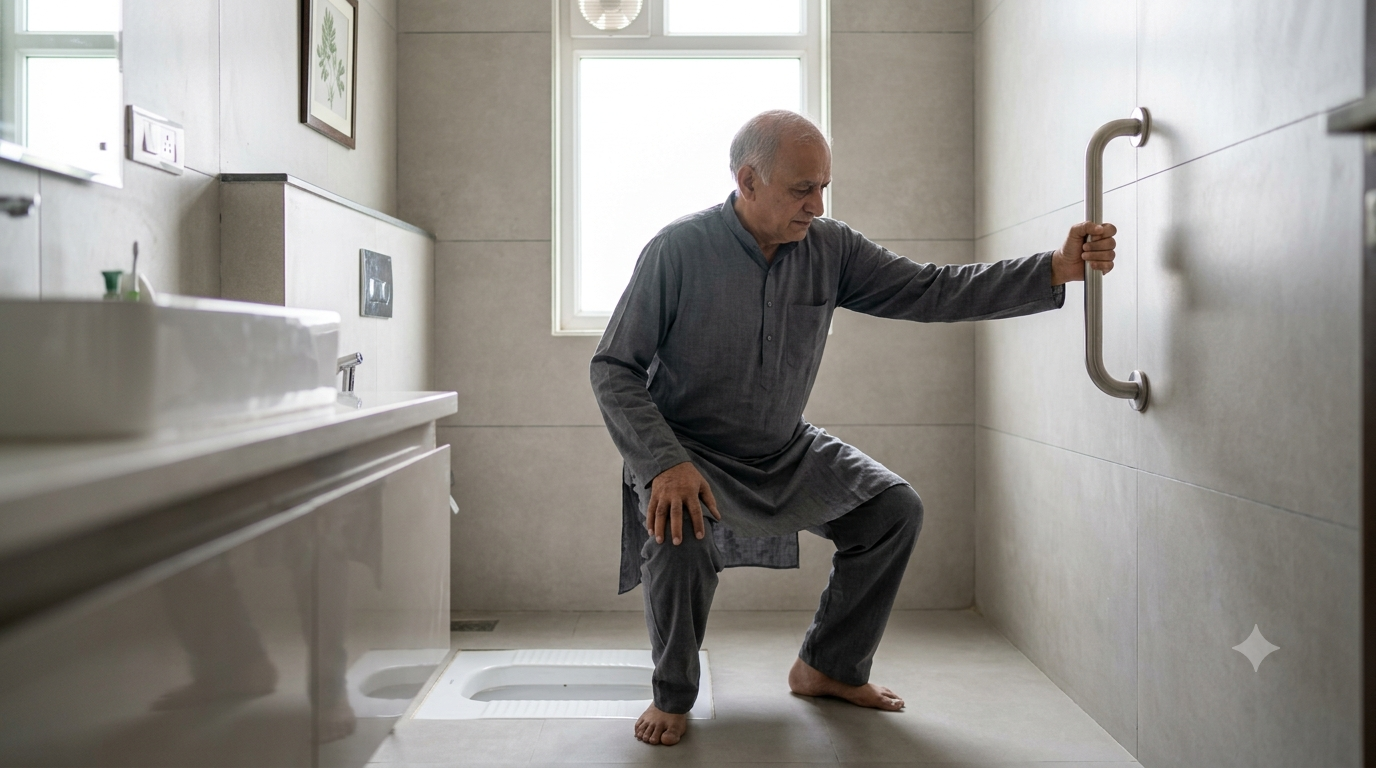
Use Indian Toilets

Often limited

Pray (Floor-Sitting)

Discuss with your surgeon

Cycle

Usually yes

Swim

Usually yes

Golf

Usually yes

Gym

Usually yes, guided

Airport Security

May trigger metal detectors
These are general patterns seen after knee replacement — your own activities should be discussed individually with Dr. Tanveer Bhutani.

There is no universally “best” implant. The right choice depends on the individual, not a brand.

Longevity

How Long Does a Knee Replacement Last?

A realistic answer, not a guarantee
Modern implants often function well for many years, but longevity depends on patient factors, implant design, surgical technique, activity level and long-term follow-up. No implant can be promised to last a fixed number of years for every patient.

Risks and Possible Complications

Most patients recover well, but it’s important to understand the possible risks of any surgery.
Excellence in care

Why Choose Dr. Tanveer Bhutani?

Comprehensive Evaluation

Thorough pre-operative assessment before any recommendation is made.

Honest Recommendations

Clear guidance on whether surgery is actually needed.

Both Techniques Available

Experience with conventional and robotic-assisted knee replacement.

Structured Rehabilitation

A guided physiotherapy programme and long-term follow-up.

Your path, step by step

Patient Journey at Eva Hospital

Consultation

Evaluation

Discussion of All Options

Decision Making

Surgery

Physiotherapy

Long-Term Follow-Up

Explore further

Related Pages

Robotic Knee Replacement

Technology, indications and how it works.

Partial Knee Replacement

Resurfacing only the damaged compartment.

Revision Knee Replacement

Managing a worn or loosened implant.

Bilateral Knee Replacement

Both knees in a single admission.

Knee Arthritis

Understanding the underlying condition in depth.

Knee Replacement Recovery

The full week-by-week rehabilitation pathway.

Knee Replacement Cost

Understanding what influences the cost of surgery.

About Dr. Tanveer Bhutani

Qualifications, experience and approach to care.

Frequently Asked Questions

Surgery is considered only after non-surgical treatment has been tried and stopped giving meaningful relief, or when arthritis is significantly affecting your daily life. Your first consultation focuses on an honest evaluation, not an automatic recommendation for surgery.

Neither is universally ‘better.’ Conventional replacement has decades of proven long-term outcomes; robotic assistance helps with precision in bone preparation and alignment. The right choice depends on your individual case.

No. Conventional knee replacement remains a time-tested technique with excellent long-term outcomes and is appropriate for the majority of patients.

There is no universally ‘best’ implant. The right choice depends on your age, bone quality, deformity, activity level, ligament balance and individual anatomy.

Modern multimodal pain protocols — including regional anaesthesia, planned medication and early mobilisation — are designed to keep discomfort well controlled from the outset.

Most patients are mobilised the same day and typically stay a few days, depending on recovery progress and any associated medical factors.

Bilateral knee replacement is possible for select, medically fit patients with arthritis in both knees. This is decided after a detailed evaluation.

Yes, most patients climb stairs comfortably again, usually practising this under supervision from day one of physiotherapy.

Deep squatting, kneeling and cross-legged sitting are often limited after knee replacement — this should be discussed individually with your surgeon.

Modern implants often function well for many years, but longevity depends on patient factors, implant design, surgical technique, activity level and long-term follow-up.
Yes, most patients can travel after their initial recovery period; discuss timing with your surgeon, especially for long-haul flights.

Most patients can resume driving around 4–6 weeks after surgery once they have good knee control and are off strong pain medication.

 
Yes, low-impact activities like golf and cycling are usually possible again once strength and confidence are regained.
Yes — structured physiotherapy is a core part of recovery and plays a major role in how well the new knee ultimately functions.

Common causes include age-related cartilage wear (osteoarthritis), autoimmune joint damage (rheumatoid arthritis), and damage following a previous injury (post-traumatic arthritis).

Consider surgery when pain limits daily activities, disturbs sleep, makes walking difficult, or when conservative treatment has stopped helping and quality of life is significantly affected.
They can be genuinely helpful, especially in earlier stages of arthritis, but once cartilage loss becomes advanced, they typically offer temporary relief rather than reversing the disease.
Total knee replacement resurfaces the whole joint, while partial replacement treats only the damaged compartment, preserving more of the patient’s own bone and ligaments.
A worn or loosened implant can often be addressed with revision knee replacement, which replaces or revises the original components.
It is a well-established, commonly performed surgery with a structured recovery pathway, though like any surgery it carries risks that are discussed beforehand.
Possible risks include infection, blood clots, stiffness, persistent pain, implant loosening, wear, fracture, and rarely, the need for revision surgery.
Most patients stand and take their first steps with support on the same day as surgery, with physiotherapy starting the next day.

Is Knee Pain Limiting Your Life?

Book a consultation with Dr. Tanveer Bhutani at Eva Hospital, Ludhiana, and get an honest, individualised plan for your knee arthritis.
Hip Replacement

Send Message

Consult our specialists for accurate diagnosis and effective treatment solutions.

pop up