- +91-9244900001
- 40, Pakhowal Rd, New Lajpat Nagar, Model Gram, Ludhiana, Punjab 141001
- 24*7 Emergency
- NABH Accredited
- ECHS Empanelled
A rotator cuff tear can cause persistent shoulder pain, night pain, weakness and difficulty lifting the arm. Some tears can be managed successfully with physiotherapy and activity modification, while significant or symptomatic full-thickness tears may require surgical repair.
At Eva Hospital, Ludhiana, Dr. Tanveer Bhutani evaluates rotator cuff tears according to the patient’s symptoms, functional limitation, examination findings, tear size, tendon quality, muscle condition, age and activity requirements. When repair is required, most suitable tears are treated using arthroscopic rotator cuff repair, in which the torn tendon is reattached to the bone through small keyhole incisions.
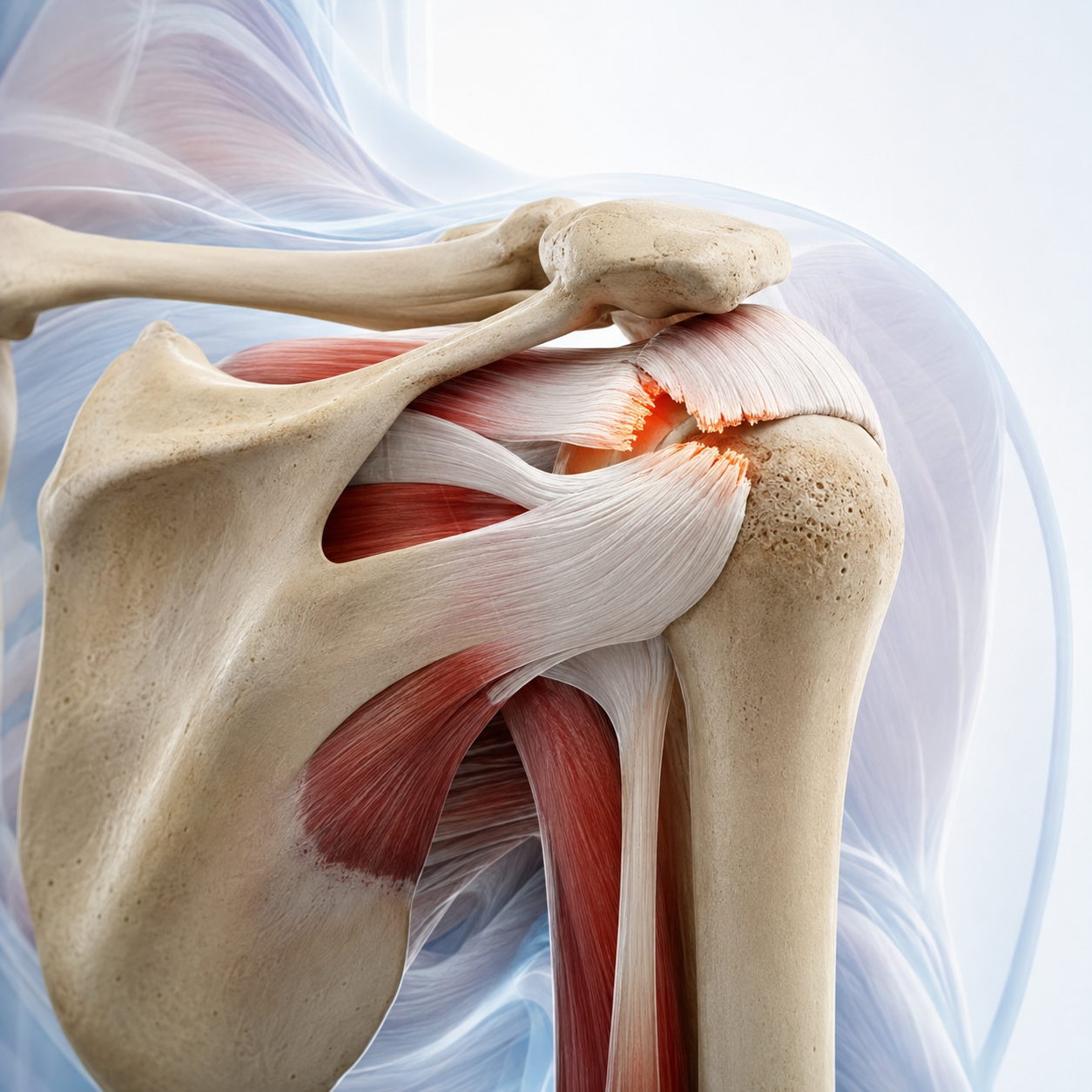
The rotator cuff is formed by four muscles and their tendons — the supraspinatus, infraspinatus, subscapularis and teres minor. Together they help keep the head of the humerus centred in the shoulder joint while allowing the arm to elevate and rotate.
A rotator cuff tear occurs when one or more of these tendons is damaged or separates from its attachment on the humerus. The supraspinatus tendon is particularly commonly involved.
Tears can range from small partial-thickness defects to large or massive full-thickness tears involving more than one tendon.
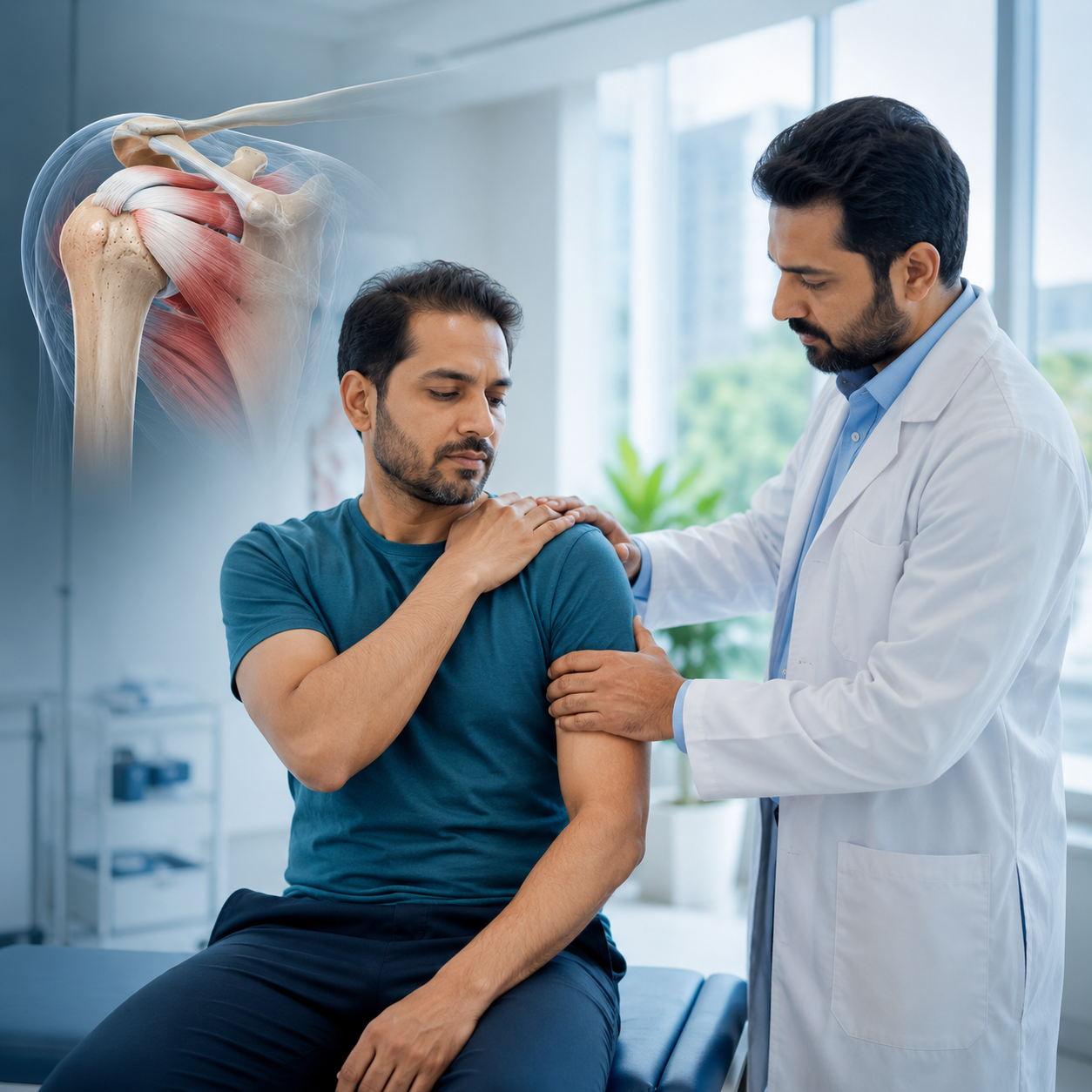
Pain over the outer or upper shoulder
Pain while raising the arm
Pain reaching overhead or behind the back
Night pain, particularly while lying on the affected shoulder
Weakness while lifting objects
Difficulty combing hair, dressing or reaching a shelf
Difficulty with overhead sports or gym exercises
Sudden weakness after a fall or lifting injury
Loss of previously normal shoulder strength
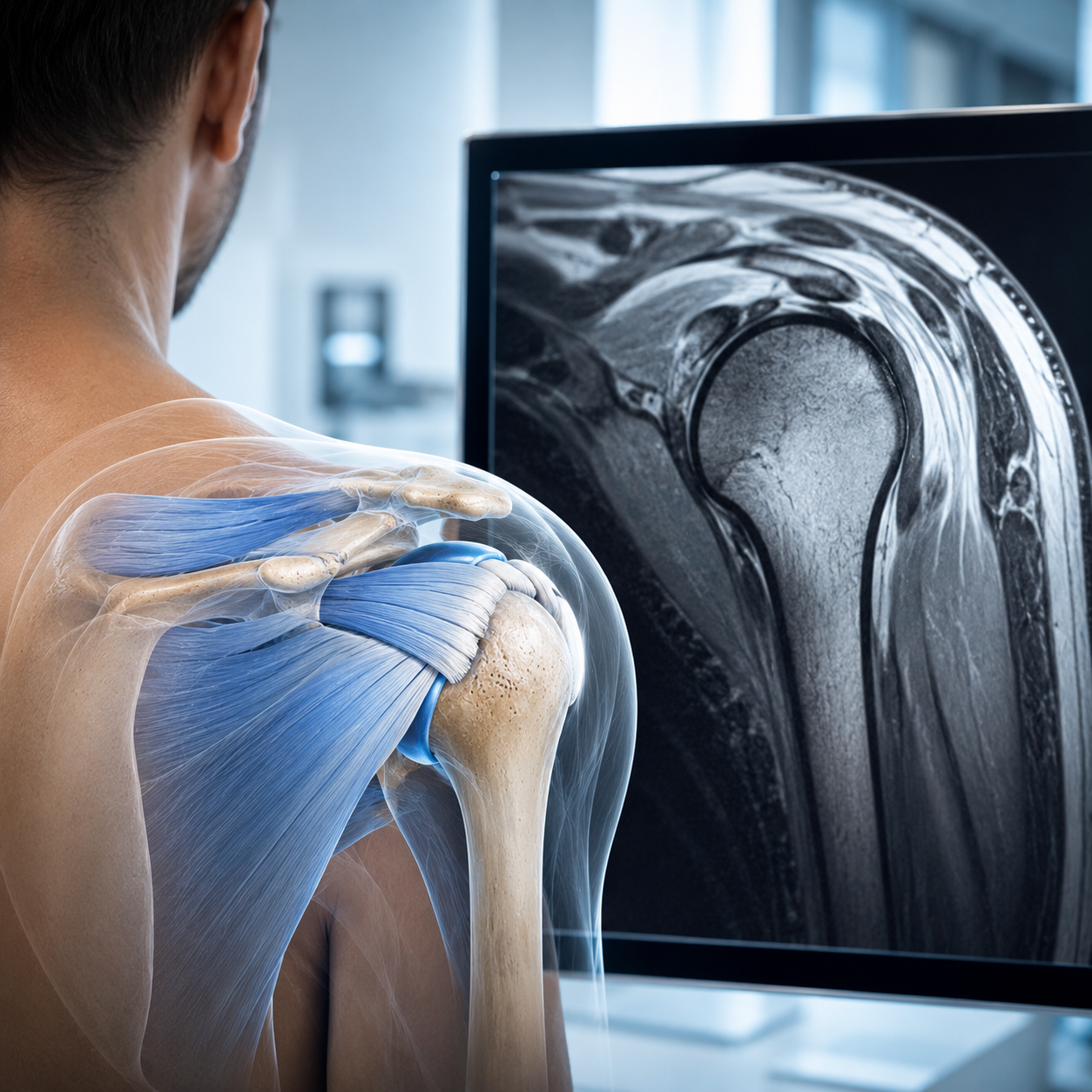
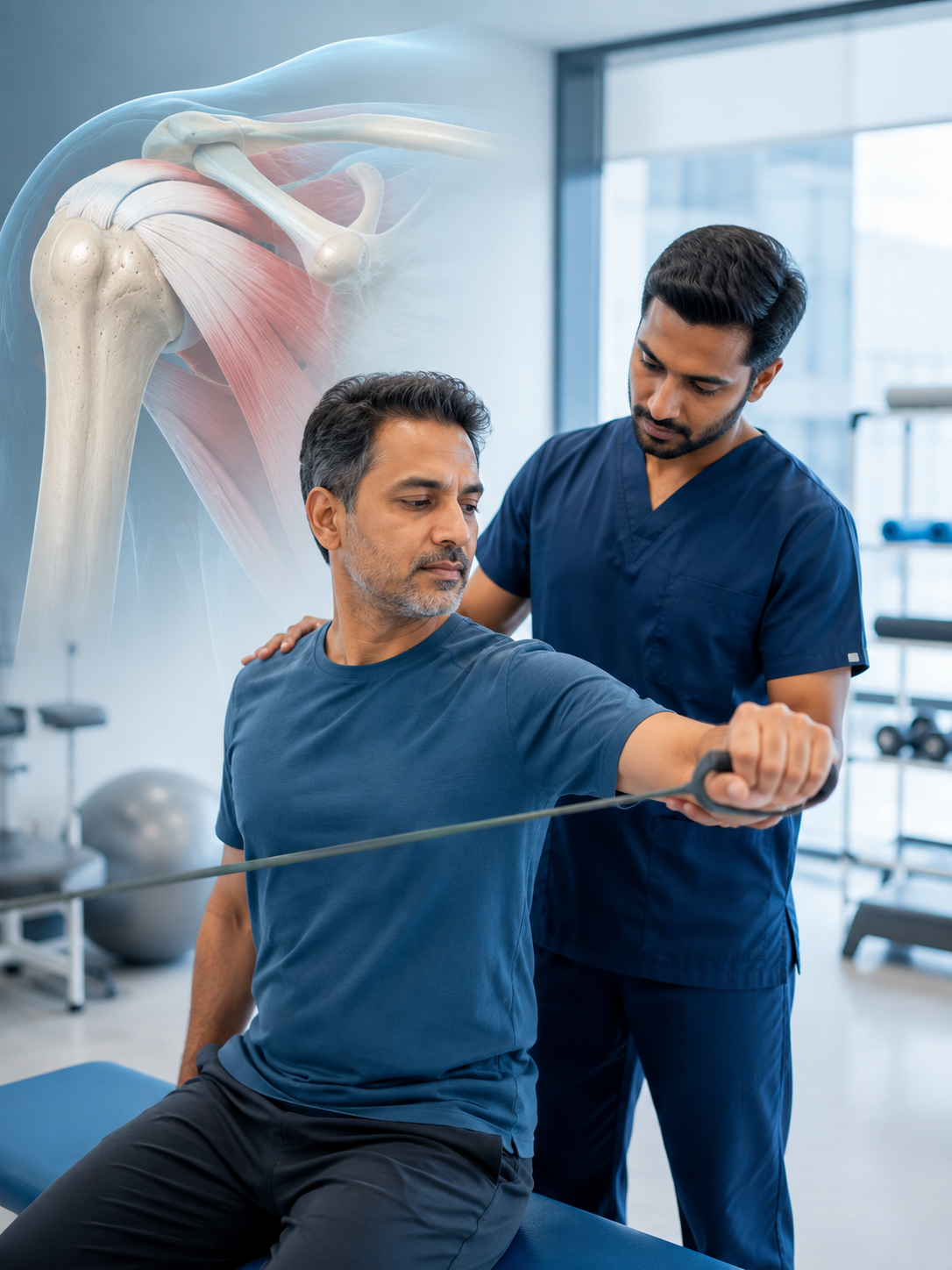
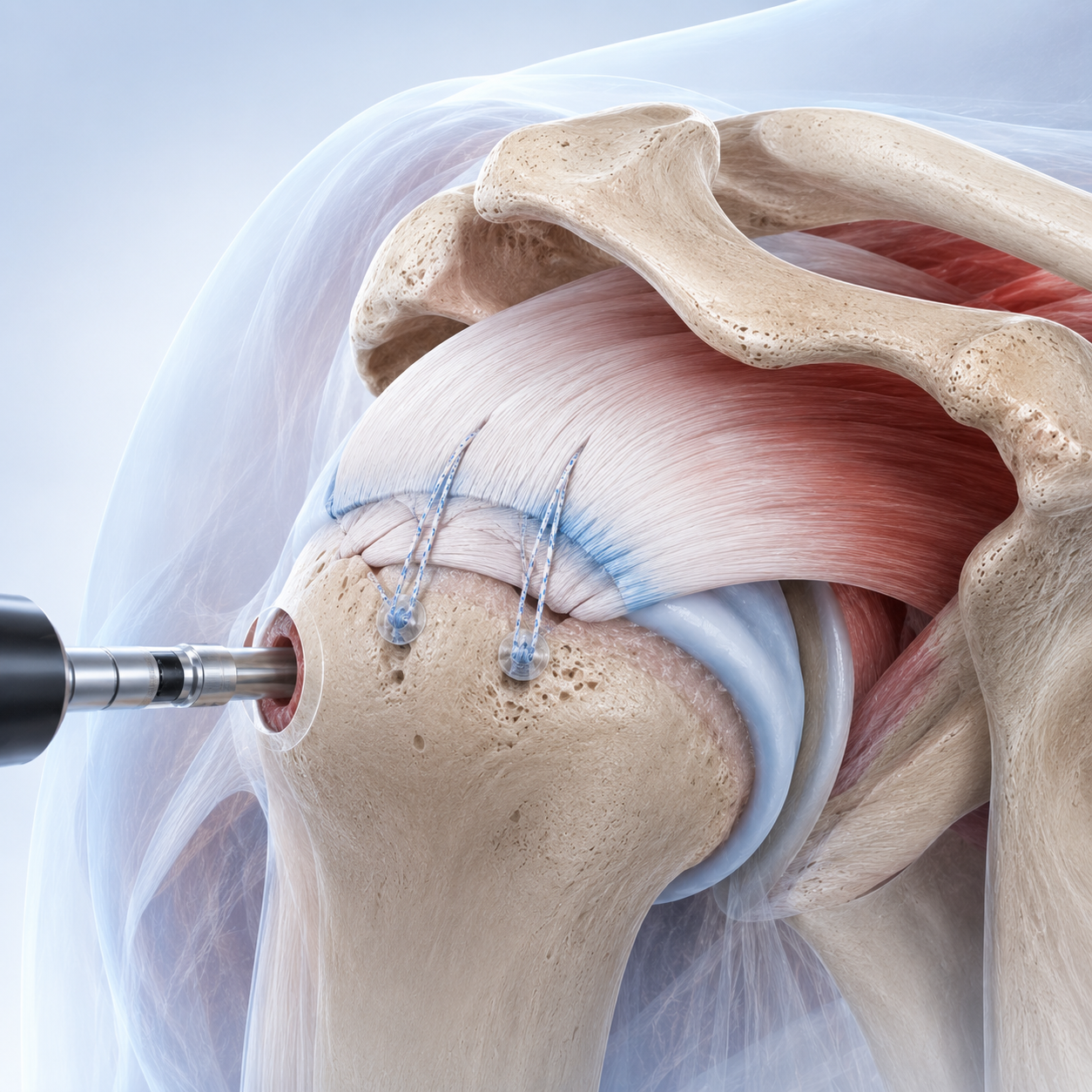
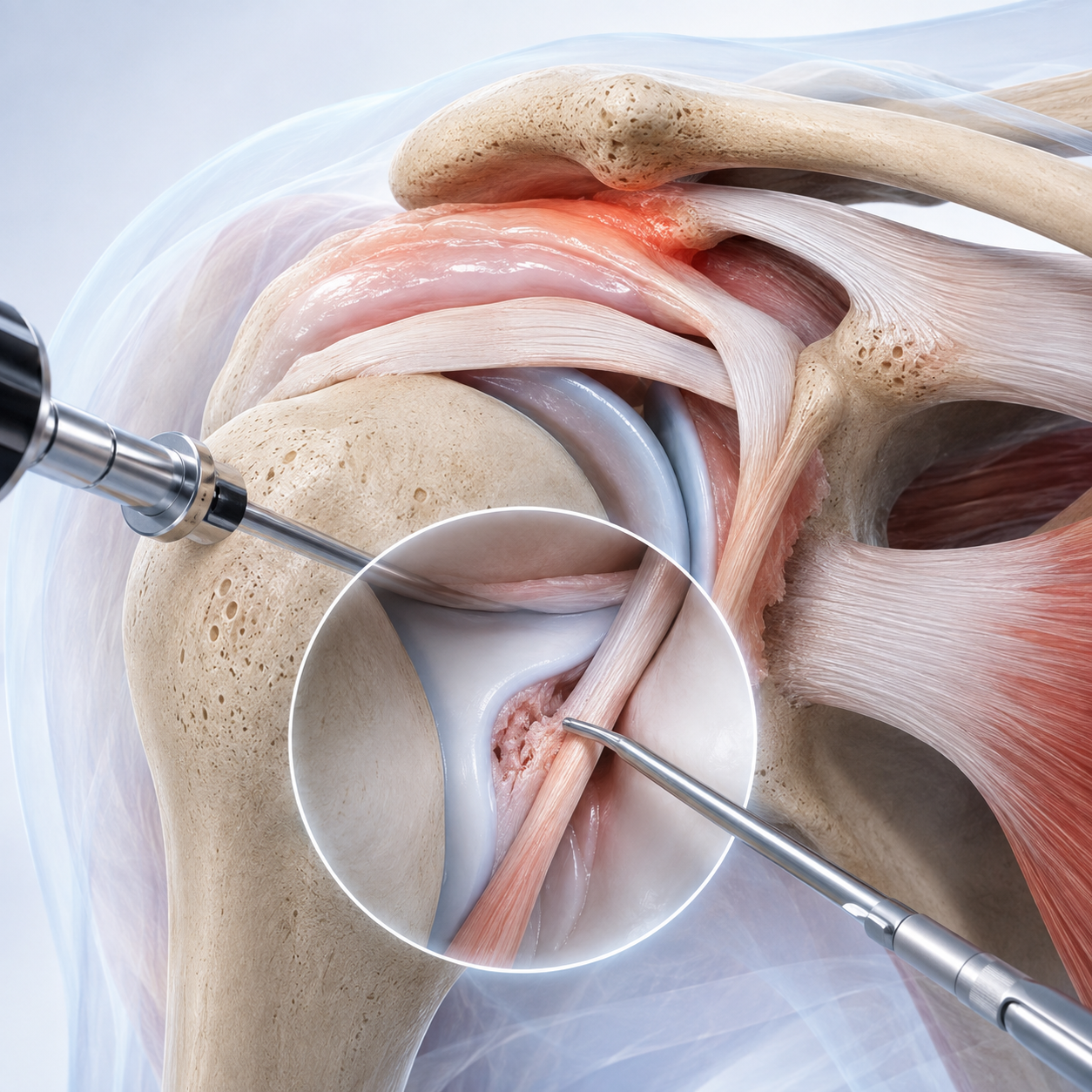
When surgery is required, rotator cuff repair is commonly performed arthroscopically. A small camera called an arthroscope is introduced into the shoulder through a keyhole incision, allowing the joint, rotator cuff and surrounding structures to be examined directly.
The torn tendon is mobilised and its attachment area on the humeral head is prepared. Suture anchors are inserted into the bone and strong sutures are passed through the tendon. These sutures are then used to bring the tendon back onto its anatomical attachment so that tendon-to-bone healing can occur.
The exact configuration of the repair depends upon the tear pattern, tendon mobility, tissue quality and size of the tear.
This procedure is performed using shoulder arthroscopy techniques.


| Rehabilitation Phase | Typical Rehabilitation Plan |
|---|---|
|
Phase 1 — Protect the Repair Approx. first 4–6 weeks | The arm is generally protected in a sling. Hand, wrist and elbow movement is encouraged, and controlled shoulder rehabilitation is started according to the repair. |
|
Phase 2 — Recover Movement Approx. 4–8 weeks onward | Assisted and progressively active shoulder motion is introduced according to tendon healing and the surgeon's protocol. |
|
Phase 3 — Restore Strength Usually around 8–12 weeks onward | Progressive strengthening begins once adequate healing and movement have been achieved. |
|
Phase 4 — Functional Rehabilitation Approx. 3–6 months and beyond | Strength, endurance and sport- or occupation-specific movements are progressively restored. |
Tear size
Chronicity
Tendon retraction
Tissue quality
Patient age
Muscle atrophy / fatty degeneration
Smoking / nicotine use
Diabetes / metabolic health, where applicable
Compliance with postoperative restrictions
Rehabilitation
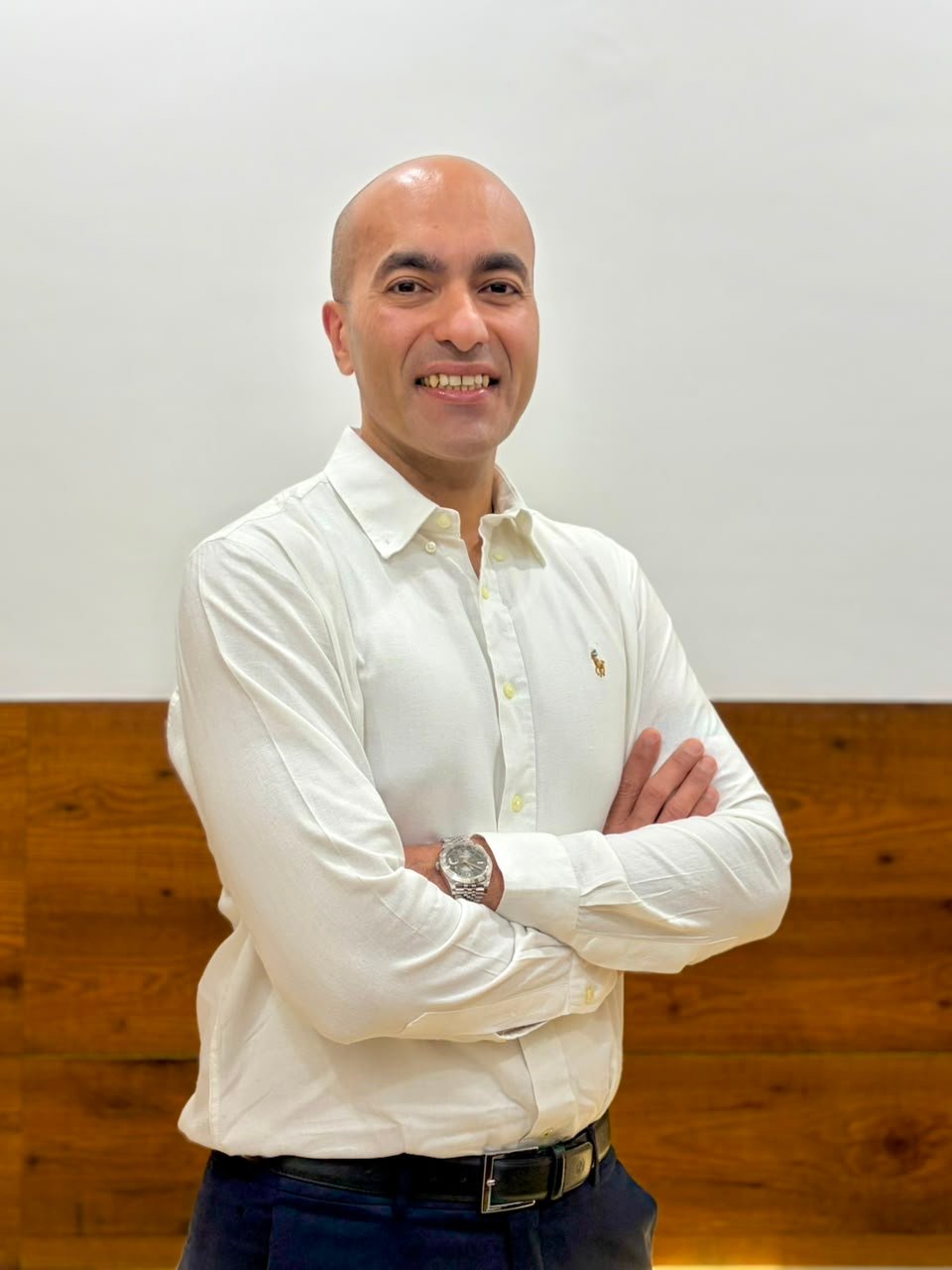
Rotator cuff tears are treated by Dr. Tanveer Bhutani, Orthopaedic Surgeon at Eva Hospital, Ludhiana, with a practice including shoulder arthroscopy, rotator cuff repair, and sports-related shoulder injuries. Treatment is based on the patient’s functional requirements rather than the MRI report alone. When surgery is indicated, arthroscopic techniques allow the tear pattern and associated shoulder pathology to be directly evaluated and the tendon repaired using suture-anchor fixation when appropriate. Postoperative rehabilitation is planned as part of the treatment from the outset, with the objective of protecting tendon healing while progressively restoring shoulder motion and strength.
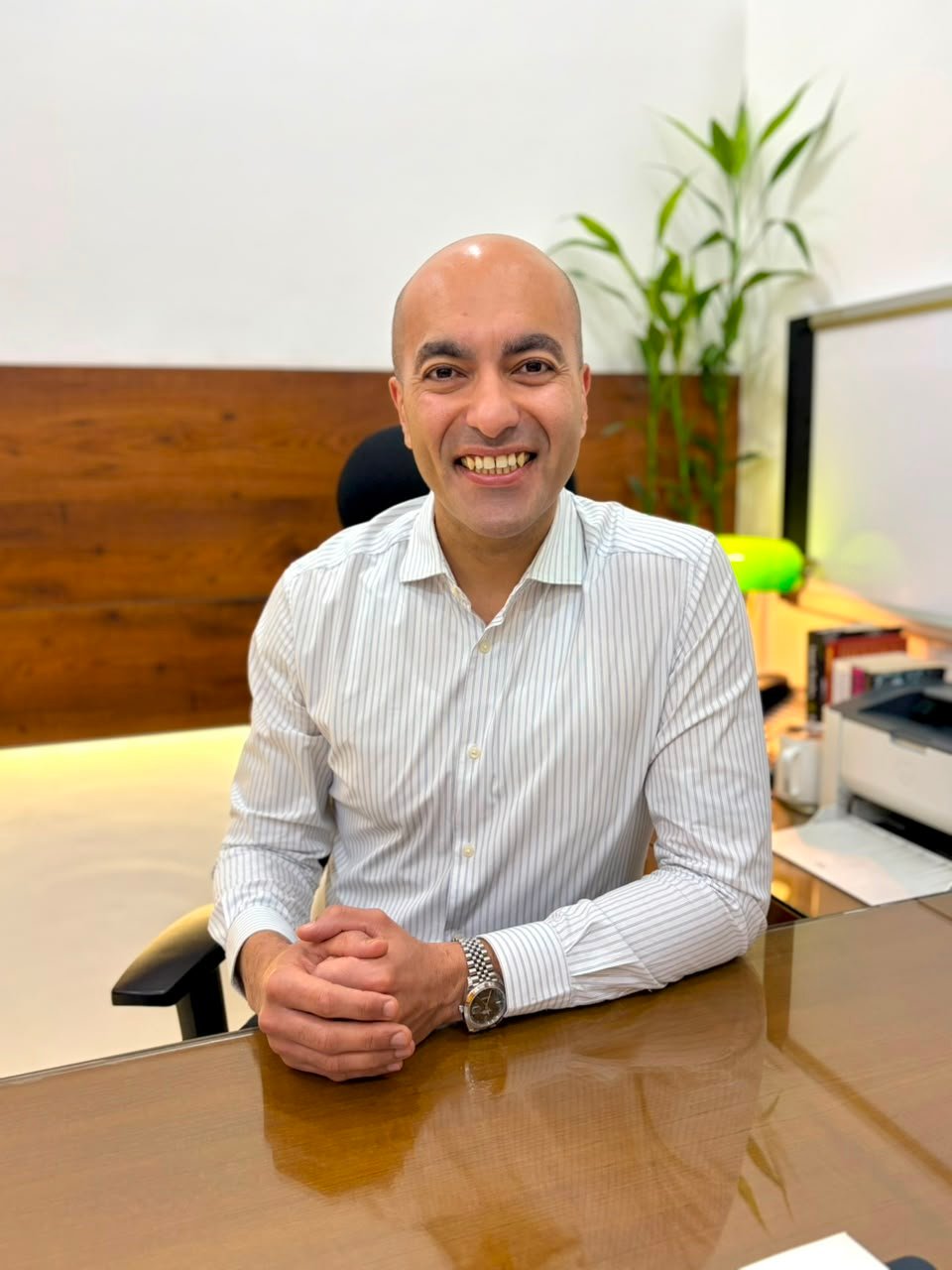
Consult our specialists for accurate diagnosis and effective treatment solutions.
