
Robotic Knee Replacement
Advanced robotic-assisted knee replacement for severe arthritis, knee pain, deformity, and reduced mobility.
EXCLUSIVE TO EVA HOSPITAL
India's Only Johnson & Johnson Robotic Knee System
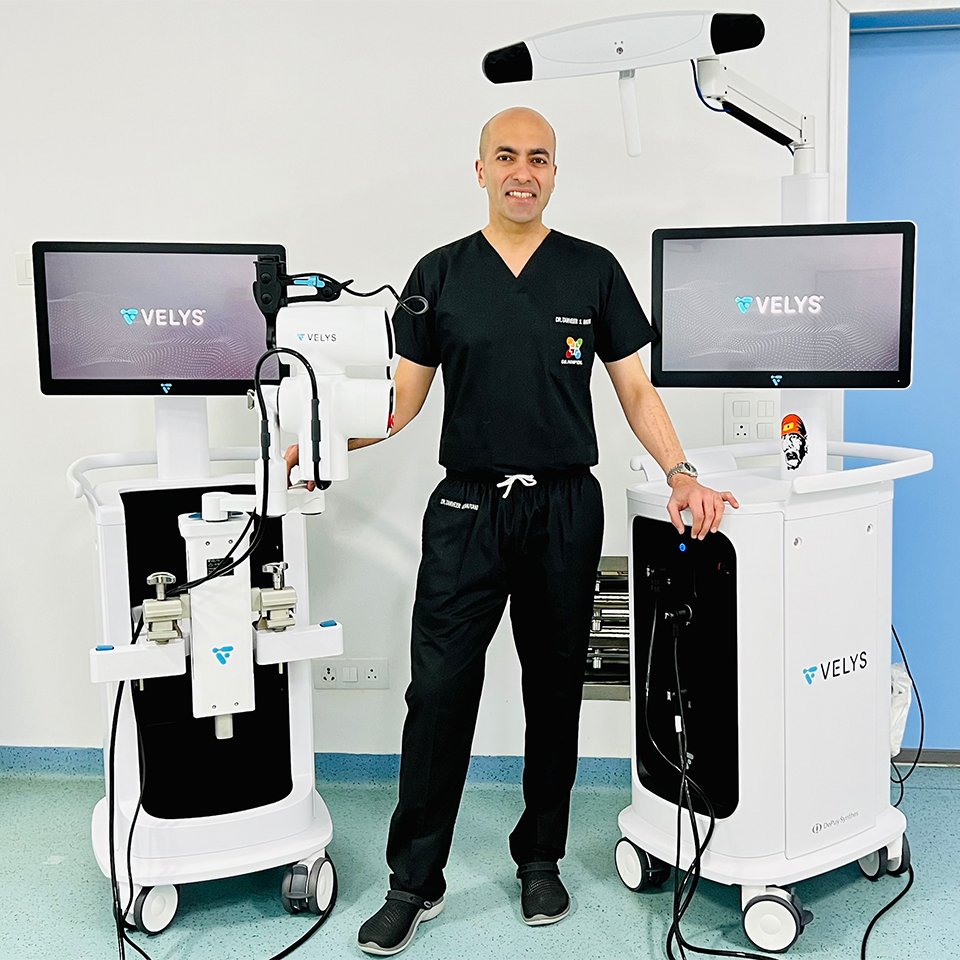
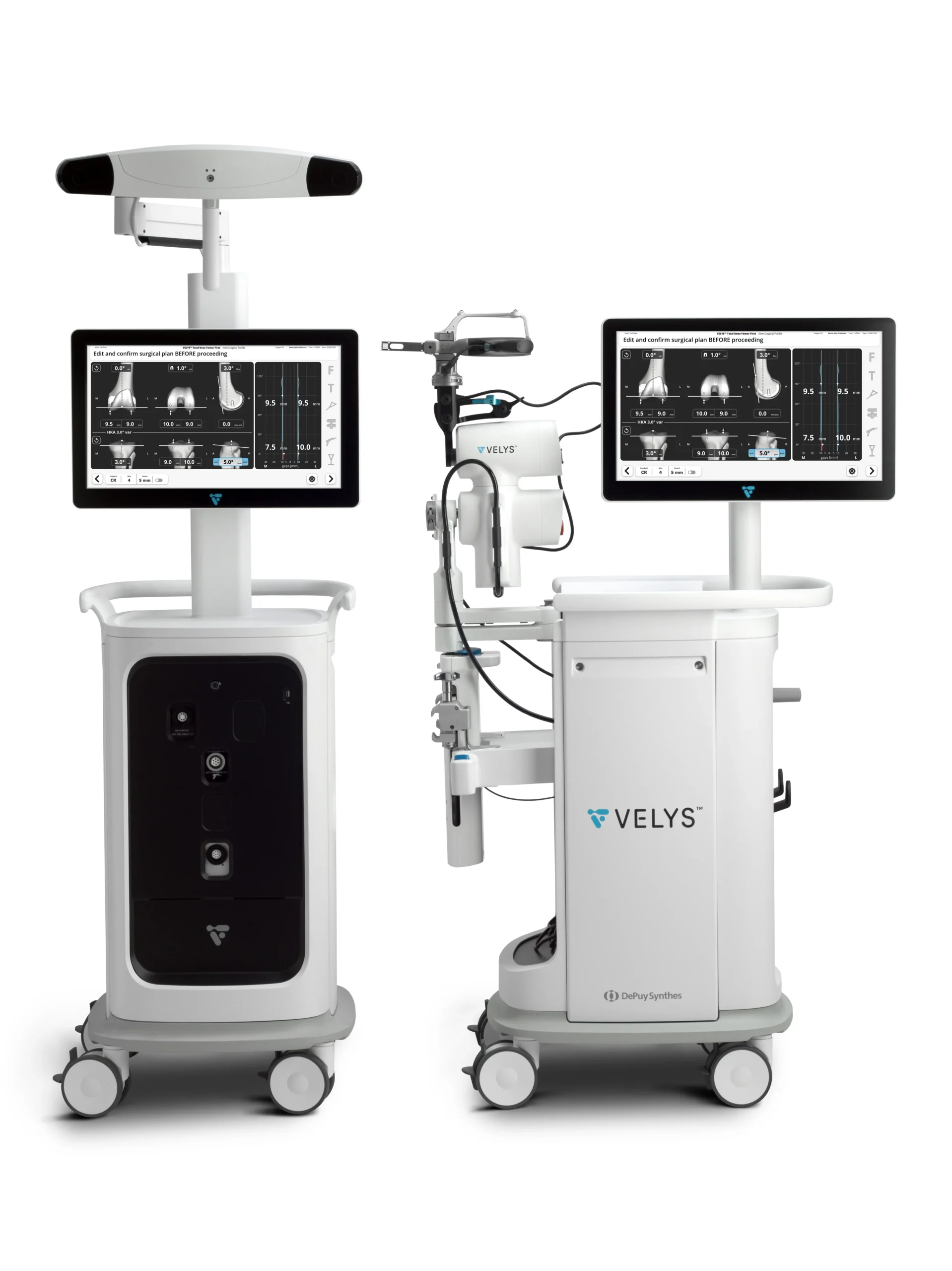
At Eva Hospital, Ludhiana, patients have access to the VELYS™ Robotic-Assisted Solution by Johnson & Johnson—an advanced technology that brings exceptional precision to knee replacement surgery. Eva Hospital is the only hospital in India offering this robotic platform.
The system is designed to adapt to each patient’s unique anatomy, using real-time data to assist the surgeon with highly accurate bone preparation and implant positioning. This personalized approach helps preserve healthy tissue while enhancing surgical precision.
Compared to conventional knee replacement, robotic-assisted surgery can lead to reduced pain, minimal tissue disruption, and a smoother recovery. Many of our patients begin walking within 24 hours after surgery and are typically discharged within 3–4 days, allowing them to resume everyday activities sooner.

Pioneering Robotic Excellence In Knee Replacement
Experience the Difference: Robotic Knee Replacement at Eva Hospital
If knee arthritis, deformity, stiffness, or long-standing knee pain is affecting your walking, sleep, stairs, or daily activities, robotic-assisted knee replacement may be considered after a detailed clinical evaluation. Robotic knee surgery at Eva Hospital focuses on highly precise knee joint replacement procedures for patients with severe knee arthritis, trauma, or degenerative joint diseases. At EVA Hospital, robotic-assisted knee replacement is performed by an experienced orthopedic team using advanced technology to improve surgical planning, implant positioning, knee balance, and recovery.
What is Robotic Knee Replacement Surgery?
Robotic knee replacement is a form of total knee replacement in which robotic-assisted technology helps the surgeon plan bone cuts, assess alignment, balance the knee, and position the implant with greater precision. Compared with conventional instrumentation, robotic-assisted systems provide detailed intraoperative information that helps the surgeon customize implant positioning according to the patient’s anatomy and ligament balance. Robotic assistance is designed to improve implant alignment and soft-tissue balancing, which may contribute to better knee function and a more natural-feeling recovery in suitable patients. Such advances can go a long way to improve the level of recovery and conversely; minimize complications; and consequently prolong the durability of the knee implant.
This is possible through the robotic full knee replacement done to patients with severe joint damage at Eva Hospital. Robotic-assisted planning allows the surgical team to account for each patient’s knee anatomy, deformity, and ligament balance before finalizing implant placement.
Signs You May Need Robotic Knee Replacement
Recognizing the signs that indicate the need for robotic knee replacement surgery can help make timely treatment decisions. Common symptoms include:
- Persistent Knee Pain: Severe pain that doesn’t improve with medication or physical therapy and interferes with daily activities.
- Reduced Mobility: Difficulty bending or straightening the knee, limiting walking, climbing stairs, and other activities.
- Swelling and Stiffness: Chronic inflammation and stiffness in the knee that doesn’t go away with rest or non-surgical treatments.
- Pain at Rest: Aching or sharp pain in the knee joint, even during rest or at night.
- Joint Deformity: Noticeable knee alignment changes, such as bowing or a knock-knee appearance, indicate advanced joint damage.
If you are experiencing any of these symptoms, consulting with robotic knee replacement surgeons at Eva Hospital can help determine if robotic total knee arthroplasty is the right option.
Factors Leading to the Need for Robotic Knee Replacement
Various conditions can damage knee joints, making robotic total knee replacement a necessary intervention. The most common causes include:
- Osteoarthritis: The primary cause of knee replacement surgery, osteoarthritis results from the natural wear-and-tear of cartilage over time, leading to pain, stiffness, and swelling.
- Rheumatoid Arthritis: This autoimmune condition causes the immune system to attack the knee joint lining, leading to chronic inflammation and pain.
- Injuries or Trauma: Serious injuries, such as fractures, ligament tears, or damage from accidents, can contribute to the degeneration of the knee joint.
- Obesity: Excess body weight strains the knee, accelerating cartilage wear and joint damage.
- Genetics: A family history of arthritis or joint problems can increase susceptibility to knee issues.
By understanding the cause of knee damage, our robotic knee replacement surgeons can create a personalized treatment plan to improve each patient’s quality of life.
Potential Complications of Robotic Knee Replacement Surgery
Although robotic total knee surgery is generally safer and more precise than traditional knee replacement, some potential risks are still involved. Common risks include:
- Infection: Any surgery carries a small risk of infection, which can occur at the surgical site or in the joint.
- Blood Clots: Post-operative blood clots in the legs or lungs are possible, although they are rare.
- Nerve Damage: There’s a slight risk of nerve injury, which may result in temporary or, rarely, permanent numbness or weakness around the knee.
- Implant Complications: Implants can wear out, loosen, or shift over time, potentially necessitating revision surgery.
- Allergic Reactions: Although rare, some patients may experience an allergic reaction to the implant materials used in robotic knee replacement.
Eva Hospital’s robotic surgery for total knee replacement is designed to minimize these risks by maximizing surgical precision. Our experienced team follows stringent protocols and uses state-of-the-art technology to reduce complications and promote safe recovery.
Tips for Reducing the Risk of Knee Issues
Taking proactive steps to care for your knee health can help prevent or delay the need for robotic knee replacement in the future. Here are some preventive measures to consider:
- Maintain a Healthy Weight: Reducing excess body weight alleviates stress on the knee, slowing down cartilage wear and tear.
- Engage in Regular Exercise: Strengthening the muscles around the knee through low-impact activities such as swimming or cycling can provide joint support and stability.
- Avoid High-Impact Activities: Reducing activities like running or jumping can minimize strain on the knee joint and lower the risk of injury.
- Stay Flexible: Regular stretching improves flexibility and helps maintain a healthy range of motion in the knee.
- Routine Check-Ups: Regular orthopedic check-ups can detect knee issues early, allowing for preventive care before more invasive treatments become necessary.
Our specialists at Eva Hospital provide guidance on effective lifestyle changes to support joint health and delay the progression of joint issues.
Robotic vs Traditional Knee Replacement
Robotic knee replacement and traditional knee replacement are both effective treatments for severe knee arthritis and joint damage. The main difference lies in the level of precision used during surgery.
In traditional knee replacement, surgeons rely on manual instruments and their experience to position the implant. Robotic knee replacement uses advanced technology to assist with surgical planning and implant placement.
The robotic system helps create a personalized surgical plan based on the patient’s unique knee anatomy. This can improve alignment and accuracy during the procedure.
Many patients experience less tissue damage, reduced pain, and a quicker recovery with robotic-assisted surgery. However, recovery outcomes also depend on the patient’s overall health and rehabilitation efforts.
Both techniques can provide long-term pain relief and improved mobility, but robotic knee replacement offers an added level of precision that may enhance surgical outcomes and patient satisfaction.
Eva Hospital: Leading the Way in Robotic Knee Replacement Surgery
EVA Hospital is a NABH-accredited hospital in Ludhiana offering advanced orthopedic care, including robotic-assisted knee replacement. The orthopedic team focuses on accurate diagnosis, personalized surgical planning, safe recovery, and structured rehabilitation The assigned group of professionals is committed to maximising possible results when it comes to surgical treatments and providing individualistic approach. We have a process that starts from consultation, and ends with the post-operative care, guaranteeing every single patient a safe and efficient stay with us.
Robotic-assisted total knee replacement may offer advantages such as improved planning, more precise bone cuts, better implant positioning, and individualized soft-tissue balancing. Recovery depends on the patient’s age, health, arthritis severity, muscle strength, and rehabilitation. Robotic knee replacement surgery is one of the best options thanks to our modern equipment and qualified specialists who performed robotic knee surgery.
Choosing robotic knee replacement at EVA Hospital means receiving care from a team focused on pain relief, mobility, safety, and long-term function. If this means living part of your life in pain or discomfort with your knee, please give us a call to find out more about full knee replacement surgery and how we can assist you in taking back part or all of your life. At Eva Hospital we want to help you keep moving without pain with the most modern surgical knee replacement treatments from consultation and planning to physiotherapy after the surgery.
Step-by-step explanation of the Robotic Knee Replacement procedure using the VELYS™ system
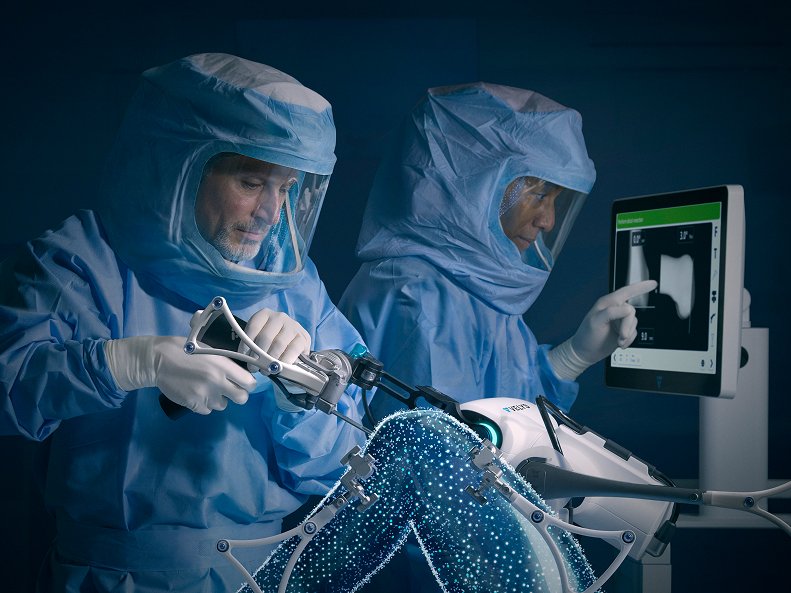
Throughout the procedure, the VELYS™ Robotic-Assisted Solution provides the surgeon with enhanced visualisation, precision, and control, leading to potentially better outcomes and a more customised fit of the knee implant

Preoperative Planning
Before surgery, the patient’s knee is evaluated using clinical examination and imaging. This helps the surgeon plan the procedure according to the patient’s anatomy, deformity, and functional needs

Setup & Calibration
The VELYS™ Robotic-Assisted Solution is set up in the operating room and calibrated for the patient. The system provides intraoperative data that helps the surgeon make accurate decisions during bone preparation and implant placement.

Exposure of the Knee
The surgeon makes an incision to expose the knee joint. The damaged bone and cartilage surfaces are then prepared for accurate implant placement.

Data Collection
Using the VELYS™ system, the surgeon collects real-time data about the patient’s knee. This data includes information about the bone structure, ligament balance, and overall joint alignment.

Customised Resection
Based on the collected data, the surgeon uses the robotic-assisted technology to perform precise bone cuts. The VELYS™ system aids in executing these cuts with high accuracy, respecting the patient’s natural anatomy.

Implant Selection & Placement
The system helps in selecting the appropriate implant size and position. The surgeon then places the knee implant, ensuring it fits perfectly as per the preoperative plan and intraoperative measurements.

Assessment and Adjustment
After placing the implant, the surgeon uses the system to assess the knee’s movement and make any necessary adjustments. This ensures the knee has the right balance and range of motion.

Closure of the incision
Once the implant is properly placed and tested, the surgeon closes the incision. This is done in layers to promote healing and reduce the risk of infection

Postoperative Care
After surgery, the patient receives specific instructions for care and rehabilitation. This often includes physical therapy to regain strength and mobility in the knee.
People with severe knee arthritis, chronic knee pain, stiffness, or reduced mobility that does not improve with medicines or therapy.
Dr. Tanveer Bhutani is an experienced orthopedic surgeon known for advanced joint replacement techniques, personalized care, and a patient-focused approach.