Orthopedics · Eva Hospital, Ludhiana

Joint Replacement Surgery in Ludhiana

Joint replacement surgery at Eva Hospital, Ludhiana is led by Dr. Tanveer Bhutani, orthopedic surgeon with a special focus on knee replacement, robotic knee replacement, hip replacement, revision joint replacement, and complex joint problems.

Every patient is evaluated individually with clinical examination, X-rays, functional assessment, and medical fitness review before any decision on surgery is made.

NABH Accredited
ECHS Empanelled
Robotic Knee Replacement Technology
Surgeon-Led Care
24/7 Emergency Support
NABH Accredited
ECHS Empanelled
Robotic Knee Replacement Technology
Surgeon-Led Care
24/7 Emergency Support

Overview

Joint Replacement at Eva Hospital

The aim of joint replacement is not just to replace a damaged joint, but to reduce pain, restore mobility, correct deformity where needed, and help the patient return to a more active and independent life.

At Eva Hospital, every patient is evaluated individually with clinical examination, X-rays, functional assessment, medical fitness review, and a clear discussion of whether surgery is truly required.

For suitable patients, advanced surgical planning, modern implants, robotic-assisted technology for knee replacement, careful pain-control protocols, early mobilization, and structured physiotherapy are used to support a smoother recovery.

JOINT REPLACEMENT SURGEON AT EVA HOSPITAL

Dr. Tanveer Bhutani

Dr. Tanveer Bhutani is an orthopedic surgeon in Ludhiana with a special focus on robotic knee replacement, hip replacement, revision joint replacement, sports injuries, and complex joint problems.

His approach is based on accurate diagnosis, careful surgical planning, precise implant positioning, safe peri-operative care, early mobilization, and structured rehabilitation. Joint replacement is advised only when non-surgical treatment is no longer likely to provide meaningful relief.

Recognizing the Signs

When Should You Consider Joint Replacement?

Joint replacement may be considered when joint damage has become severe and non-surgical treatment is no longer giving enough relief. Common signs include:

Surgery is not advised only on the basis of an X-ray. The decision should match the patient’s pain, function, clinical examination, lifestyle limitation, medical fitness, and expectations.

Conditions That May Lead to Joint Replacement

Underlying Causes

What We Offer

Types of Joint Replacement Surgeries Offered

Eva Hospital provides evaluation and treatment for different types of advanced joint problems, including:

Knee Replacement Surgery

For patients with severe knee arthritis, deformity, stiffness, night pain, and difficulty walking. In suitable cases, robotic-assisted knee replacement may be advised for more accurate planning, implant positioning, and soft-tissue balancing.

Hip Replacement Surgery

For patients with advanced hip arthritis, avascular necrosis, fracture-related hip damage, or severe pain that affects walking, sitting, standing, or daily activity.

Revision Joint Replacement

For patients who have already undergone a previous knee or hip replacement and are now facing implant loosening, instability, infection, wear, stiffness, or persistent pain.

Shoulder & Other Joint Replacement

In selected patients with advanced joint damage, shoulder replacement or other joint replacement options may be considered after detailed evaluation.
Johnson & Johnson VELYS™ Robotic-Assisted Solution
Technology

Robotic-Assisted Knee Replacement at Eva Hospital

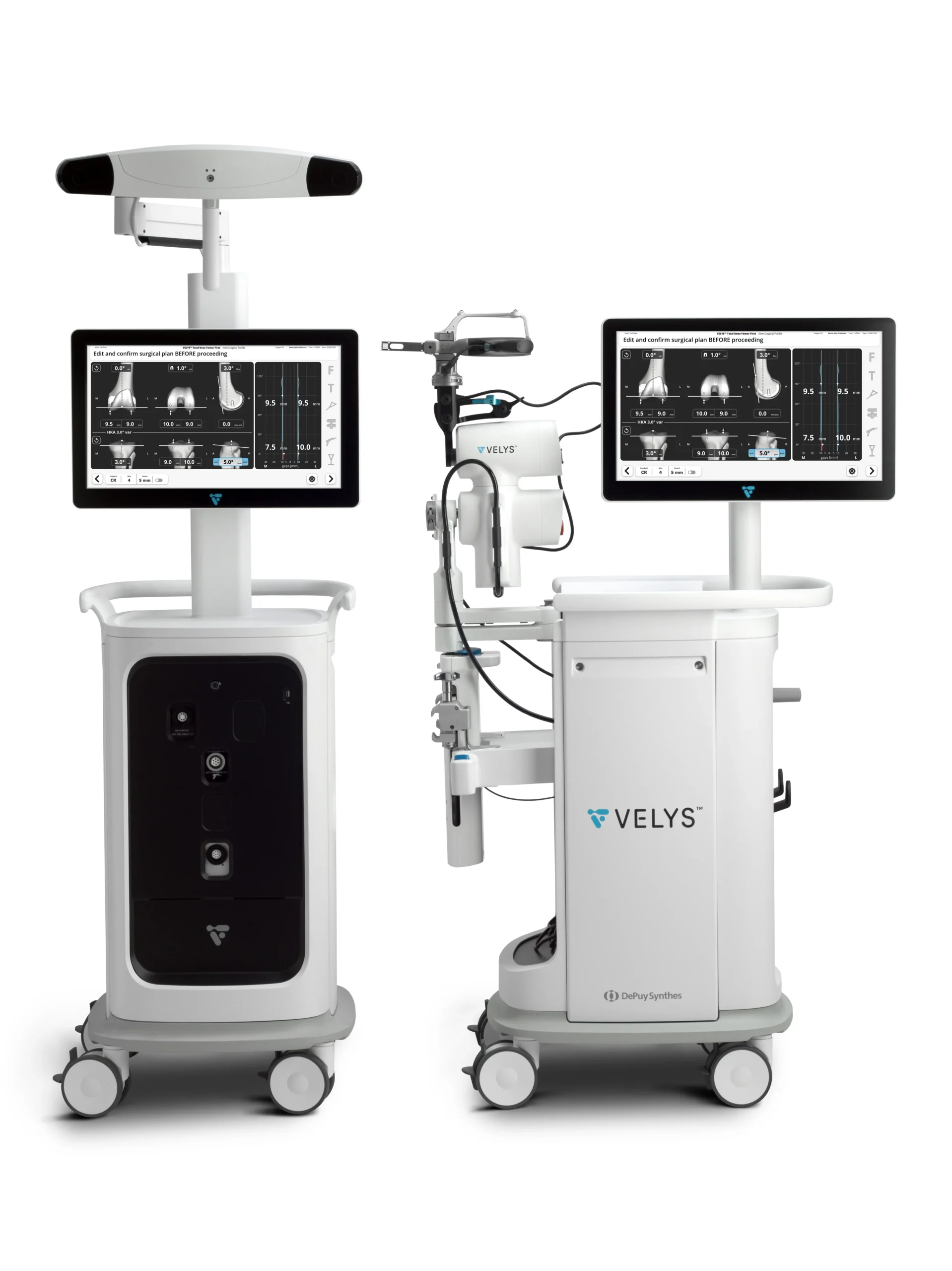
For patients with advanced knee arthritis, robotic-assisted knee replacement may be considered when it is clinically appropriate. At Eva Hospital, robotic knee replacement is performed using the Johnson & Johnson VELYS™ Robotic-Assisted Solution.

The robotic system helps the surgeon assess the patient’s knee anatomy, alignment, deformity, bone cuts, implant positioning, and ligament balance during surgery. The surgeon remains fully in control of the procedure, while the technology supports greater precision and personalization.

Robotic knee replacement is not required for every patient. Dr. Tanveer Bhutani advises it only after evaluating the patient’s symptoms, X-rays, deformity, mobility, expectations, and medical condition.

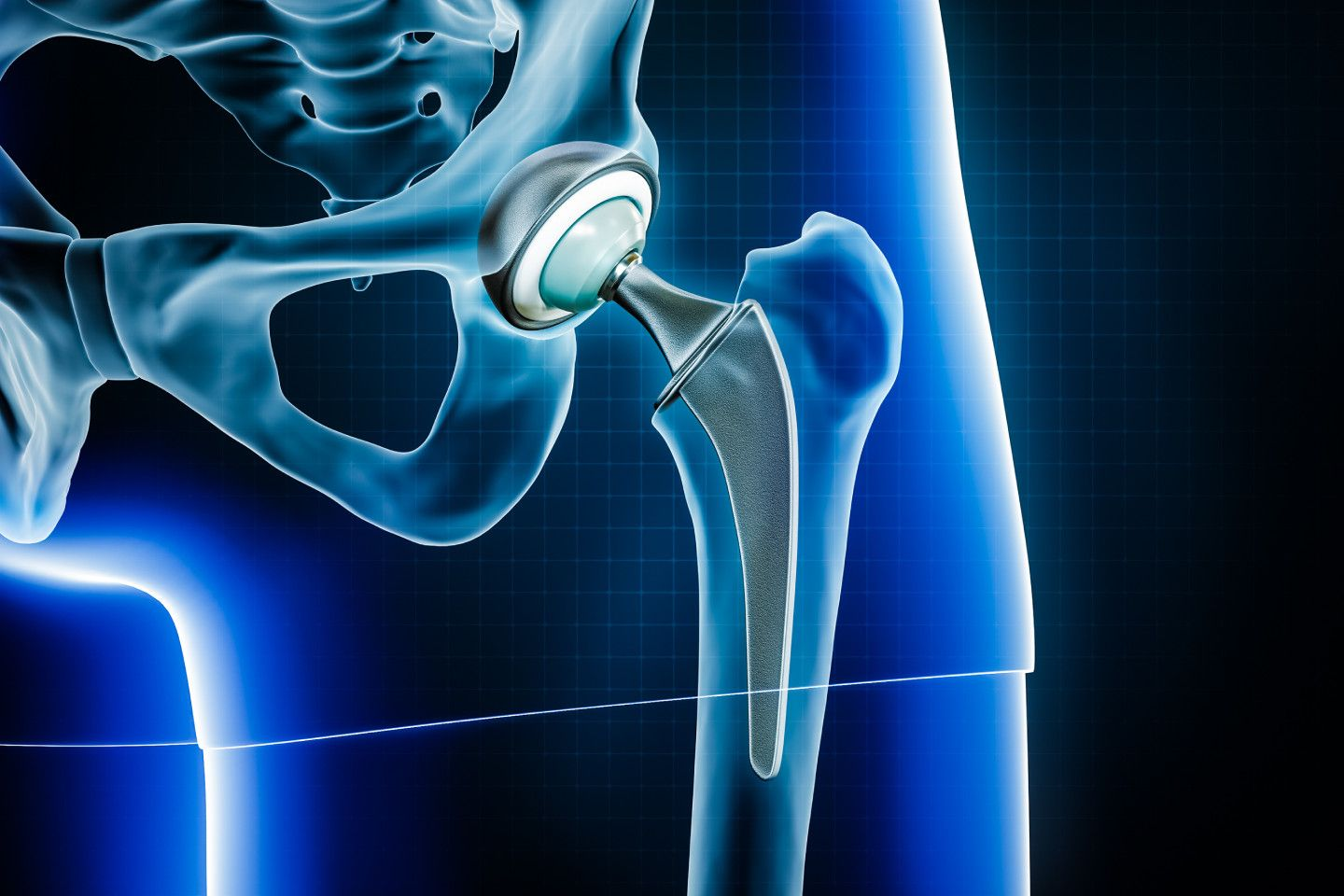
Hip Replacement

Hip Replacement Surgery

Hip replacement is considered for patients with advanced hip arthritis, avascular necrosis, or fracture-related hip damage, when pain and stiffness significantly affect walking, sitting, standing, or daily activity.

The damaged hip joint surfaces are replaced with an artificial implant, chosen and positioned based on the patient’s bone quality, activity level, and anatomy, with the goal of restoring pain-free movement.

When a Previous Implant Fails

Revision Joint Replacement

Revision joint replacement is surgery performed when a previous knee or hip replacement has developed a problem such as implant loosening, instability, infection, wear, stiffness, or persistent pain.Revision surgery is more complex than a first-time joint replacement and requires careful evaluation of the cause of failure, bone quality, and implant options before planning the procedure.

Assessment Process

How Dr. Bhutani Evaluates a Patient for Joint Replacement

The final decision is made jointly with the patient — Dr. Bhutani explains the findings, the available options, and the expected outcomes of each, so the patient can decide with a clear understanding of what surgery would and would not change.

Timing the Decision

Can Joint Replacement Be Delayed?

Not every arthritic joint needs immediate surgery. In early or moderate stages, symptoms can often be managed for a period of time with:
These measures can reduce pain and preserve function for some time. However, prolonged delay in an advanced, deforming, or rapidly worsening joint can allow deformity, stiffness, and muscle weakness to progress — which is why regular review with Dr. Bhutani is recommended rather than indefinitely postponing the decision on your own.

The Surgical Journey

What Happens Before, During and After Surgery?

Before Surgery

Medical fitness assessment, blood and imaging investigations, medication review, and anaesthesia evaluation. The patient and family are counselled on the planned procedure, expected hospital stay, and precautions.The patient and family are also counselled about the expected hospital stay, pain control, walking after surgery, physiotherapy, wound care, precautions, and recovery milestones.


During Surgery

Under appropriate anaesthesia, Dr. Bhutani performs the surgical approach, prepares and positions the implant, and checks alignment and joint stability before closing.The patient and family are also counselled about the expected hospital stay, pain control, walking after surgery, physiotherapy, wound care, precautions, and recovery milestones.

After Surgery

Pain control, blood-clot prevention, early mobilisation, physiotherapy, wound care, and a planned discharge with clear follow-up instructions.Physiotherapy, pain control, swelling management, wound care, and regular follow-up are important parts of recovery. The aim is to help the patient return to daily activities safely and confidently.

Recovery & Rehabilitation

Many patients are supported to stand and take assisted steps early after knee or hip replacement, under supervision. Physiotherapy is introduced progressively, along with a walker or walking aid as needed, before advancing to stairs and unassisted walking.Return to routine daily activities happens gradually, with regular follow-up visits to track progress. The exact pace of recovery varies from patient to patient depending on age, muscle strength, medical condition, and adherence to rehabilitation. The patient and family are also counselled about the expected hospital stay, pain control, walking after surgery, physiotherapy, wound care, precautions, and recovery milestones.
Hospital Stay & Follow-Up

The length of hospital stay depends on the procedure and the patient's recovery. Before discharge, the physiotherapy team reviews walking safety, wound status, and pain control.Follow-up visits are scheduled to monitor healing, adjust physiotherapy, and address any concerns during the recovery period. Physiotherapy, pain control, swelling management, wound care, and regular follow-up are important parts of recovery. The aim is to help the patient return to daily activities safely and confidently.

Being Honest

Risks and Safety Measures

Like any surgery, joint replacement carries risks such as infection, blood clots, stiffness, implant loosening, or the need for further procedures. These risks are discussed openly with every patient before surgery.

Eva Hospital follows structured protocols for infection control, blood clot (DVT) prevention, pain management, and early mobilization to help reduce these risks and support a safer recovery.

Why EVA Hospital

Why Patients Choose Eva Hospital for Joint Replacement

Patients with advanced arthritis or damaged joints need more than just an operation. They need the right diagnosis, the right timing, the right implant choice, safe surgery, and guided recovery. At Eva Hospital, joint replacement care is planned around the individual patient.

Doctor-led orthopedic care

ECHS Empanelled

Robotic-assisted knee replacement technology

NABH-accredited

Structured rehabilitation & follow-up

Cashless tie-up with all major insurance and TPA companies.

TESTIMONIALS

Joint Replacement Patient Stories

G
★★★★★
✓ Verified
Before surgery, I relied on a wheelchair. After knee replacement — no pain, no fear — just a free, confident walk. Grateful beyond words! It’s been 3 months since my robotic knee replacement surgery, and I’m extremely satisfied with the results. Thanks to Dr. Tanveer Singh Bhutani, I’m now walking comfortably and living pain-free after years of discomfort. His expertise, care, and the support of his team made all the difference. Grateful beyond words for giving me a new lease on life!
R
★★★★★
✓ Verified
I Rakesh Bhardwaj recently had knee replacement surgery under the care of Dr Tanveer Bhutani. From the very first consultation I was impressed by professionalism and the way he explained everything in a clear and reassuring manner. Just two days after the operation I was able to start walking with support, and after 40 days I walking comfortably on my own. And after 45 days, I can fold my legs,sit properly, the improvement in such a short time has been incredible, I truly feel like I am getting my life back.

Dr Bhutani is not only a excellent surgeon but also a kind and compassionate human being. His positive attitude and caring nature made a big difference in my recovery.The hospital environment was also very good, room' was clean,well maintained and staff was supported throughout.

I am extremely satisfied with the treatment and care I received from Dr Bhutani and his team. I would highly recommend him to any one considering knee replacement surgery. You will be in very capable and caring hands
B
★★★★★
✓ Verified
Four months ago, my wife underwent robotic knee replacement for both knees under the care of Dr. Tanveer Bhutani. She had been living with severe knee deformity and constant pain, and walking even a short distance was becoming impossible. Life had truly become a struggle.

With the expertise and guidance of Dr. Tanveer, my wife surgery was successful and her recovery journey has been nothing short of life-changing. Today, just 4 months later, she is walk freely, without pain, and with confidence she had almost lost.

Dr. Tanveer Bhutani is not only a highly skilled surgeon but also a compassionate doctor who listens, understands, and supports his patients like family. His use of advanced robotic technology made the entire process smooth and my wife recovery much faster than she ever imagined.

I am deeply thankful to him for giving my betterhalf a new life and new hope.
D
★★★★★
✓ Verified
I recently had robotic knee replacement surgery with Dr.Tanveer Singh Bhutani at Eva Hospital, and I am beyond grateful for the life-changing results. Before the surgery, I was full dependent on wheelchair, No able to walk, I couldn't even go to the washroom, without anyone's help.

After the post-surgery, I am now walking independently and even cycling—activities I never thought I'd be able to do again. The precision of the robotic-assisted surgery has made a remarkable difference, allowing for a faster recovery and significantly less pain. Dr.Tanveer Singh was not only professional and highly skilled but also compassionate and supportive throughout the entire process.

During the surgery the staff were fantastic as well. They made sure I was comfortable, informed, and well cared for at every stage, from pre-op to post-op. The facility was top-notch, and I always felt like I was in great hands.

I cannot thank Tanveer Singh Bhutani and the team at Eva Hospital enough for giving me my mobility back and helping me regain my independence. I highly recommend them to anyone considering knee replacement surgery!
FAQ’s

Frequently Asked Question

Pain is expected after surgery, but modern pain-control protocols, medicines, anaesthesia techniques, and physiotherapy help keep it manageable.
Joint replacement may be considered when pain, stiffness, deformity, and difficulty walking continue despite non-surgical treatment, and X-rays show advanced joint damage.
No. Robotic-assisted knee replacement can be useful in suitable patients, but it is not necessary for everyone. The decision depends on the patient’s knee condition, deformity, anatomy, and clinical requirement.
Modern implants can last many years, but implant life depends on age, weight, activity level, bone quality, implant positioning, surgical technique, and follow-up care.
Many patients are made to stand and walk early after surgery under supervision, depending on their medical condition and the type of procedure performed.
Revision joint replacement is surgery performed when a previous knee or hip replacement has developed a problem such as loosening, infection, instability, wear, fracture, or persistent pain.
Many elderly patients can safely undergo joint replacement after proper medical evaluation, anaesthesia clearance, and peri-operative planning.
The most common joint replacements are knee and hip replacements. Shoulder and ankle replacement may be considered in selected patients.

Book a Consultation for Joint Replacement Surgery

Consult Dr. Tanveer Bhutani at Eva Hospital, Pakhowal Road, Ludhiana. We’ll examine your joint, review your X-rays, and discuss every option honestly — surgical and non-surgical.

Send Message

Consult our specialists for accurate diagnosis and effective treatment solutions.

pop up