- +91-9244900001
- 40, Pakhowal Rd, New Lajpat Nagar, Model Gram, Ludhiana, Punjab 141001
- 24*7 Emergency
- NABH Accredited
- ECHS Empanelled
Personalised evaluation and total hip replacement for patients with advanced hip arthritis, avascular necrosis, certain hip fractures, and persistent hip pain affecting everyday life.
At Eva Hospital, the treating surgeon evaluates the cause of hip pain, reviews X-rays and overall health, and discusses surgery when the expected benefits justify the procedure.


Overview
Hip pain can gradually make walking, climbing stairs, getting into a car, sleeping comfortably, and performing routine activities increasingly difficult. In many patients, symptoms can initially be managed with medication, activity modification, physiotherapy, or walking support.
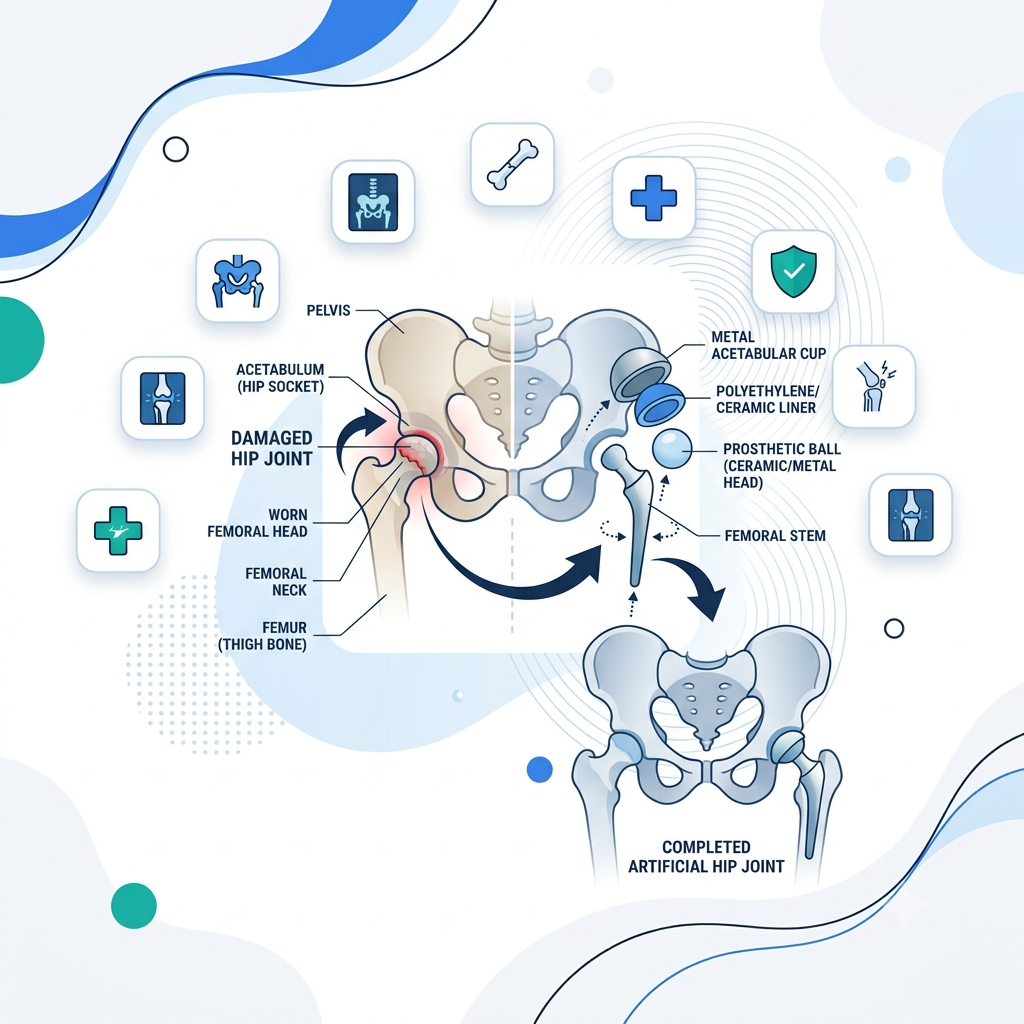
When the hip joint becomes severely damaged and these measures no longer provide adequate relief, hip replacement surgery may be considered. Total hip replacement is an operation in which the damaged ball-and-socket surfaces of the hip are replaced with artificial components, with the goal of reducing pain and improving joint movement. Results vary from patient to patient.
At Eva Hospital in Ludhiana, every patient is assessed individually by the treating surgeon. The decision to recommend surgery is based on the diagnosis, severity of joint damage, symptoms, functional limitations, medical fitness, and the patient’s expectations.
The Procedure
Recognizing the Signs
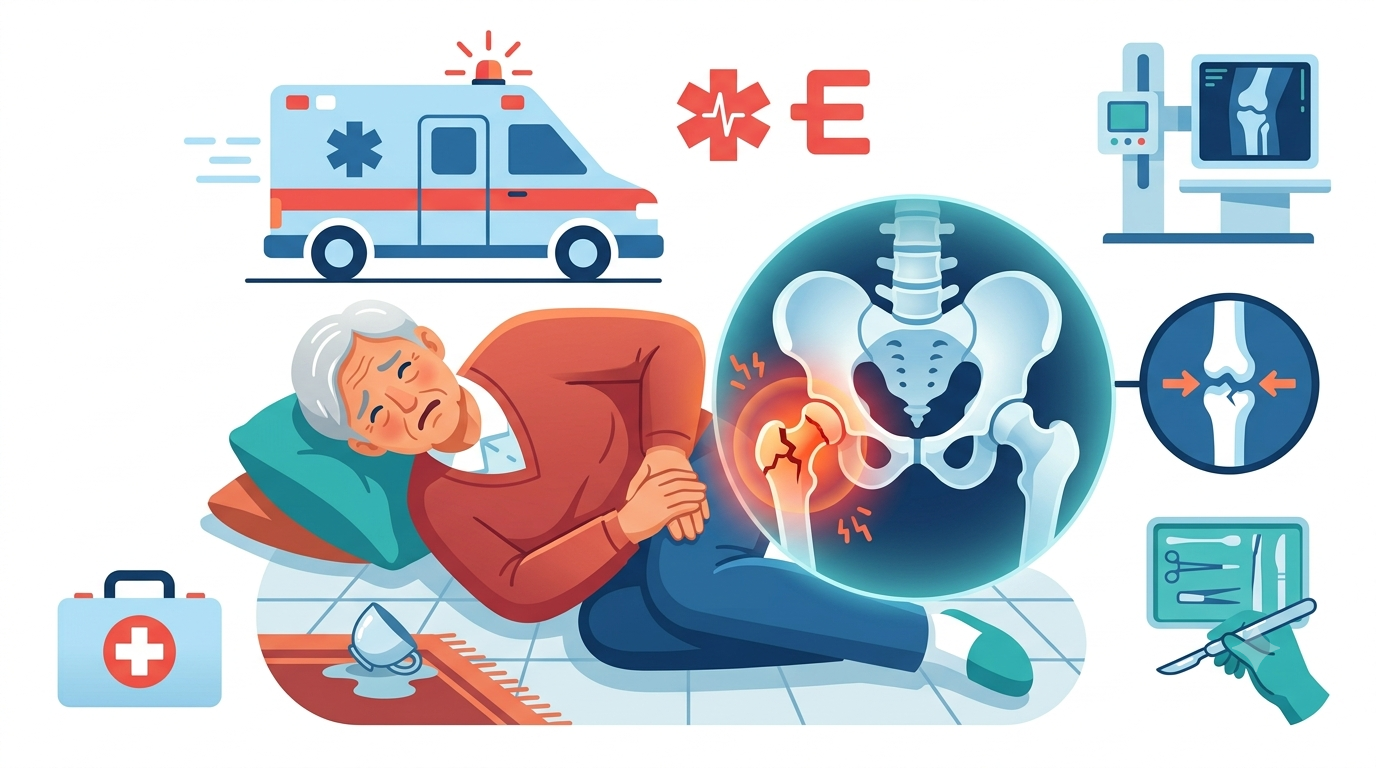
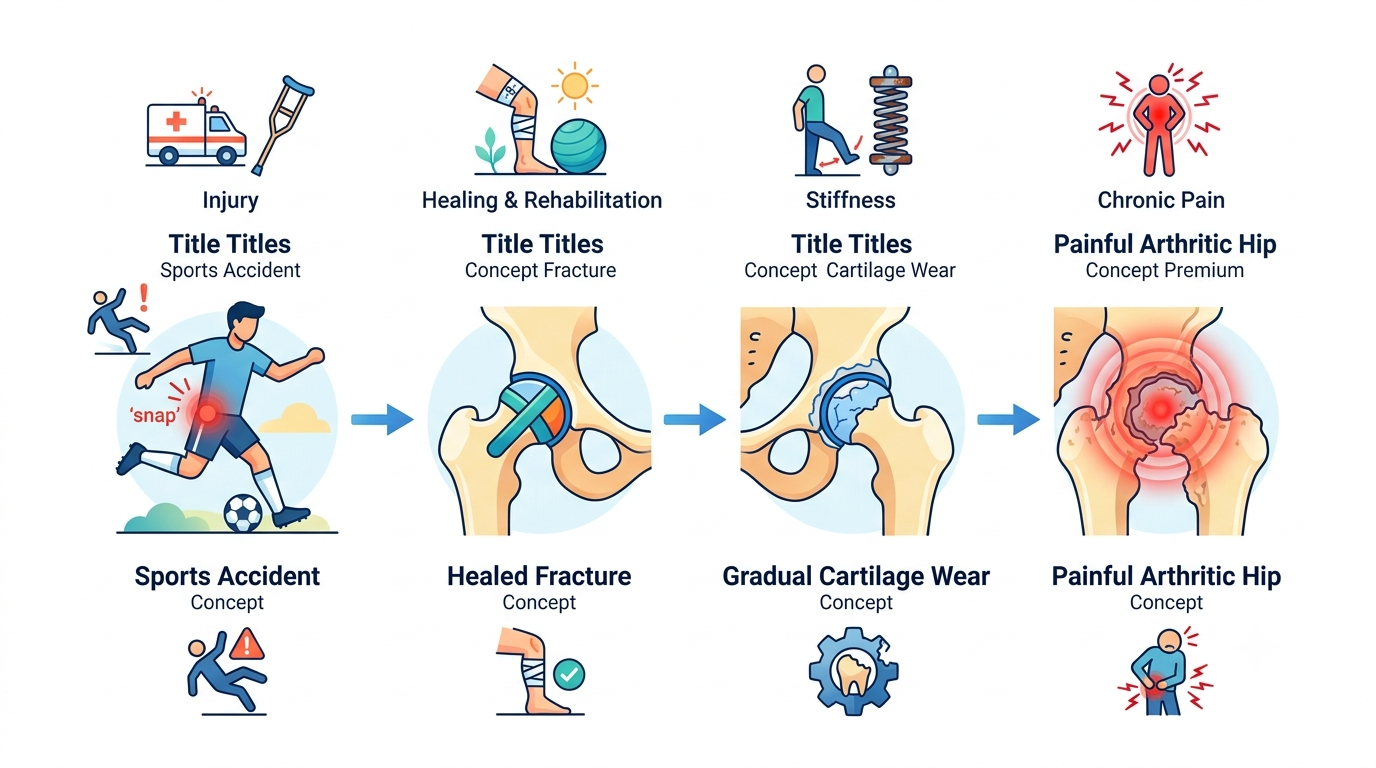
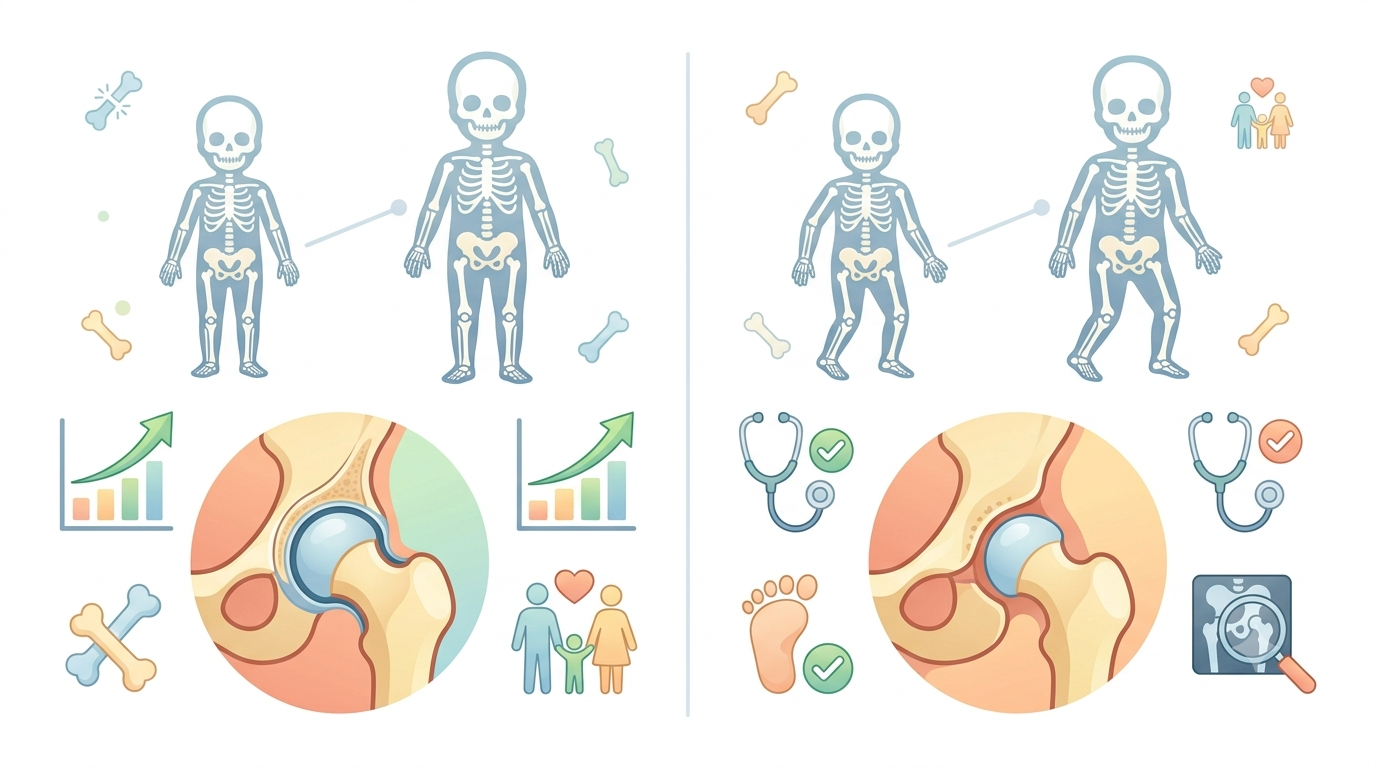
Non-Surgical Options
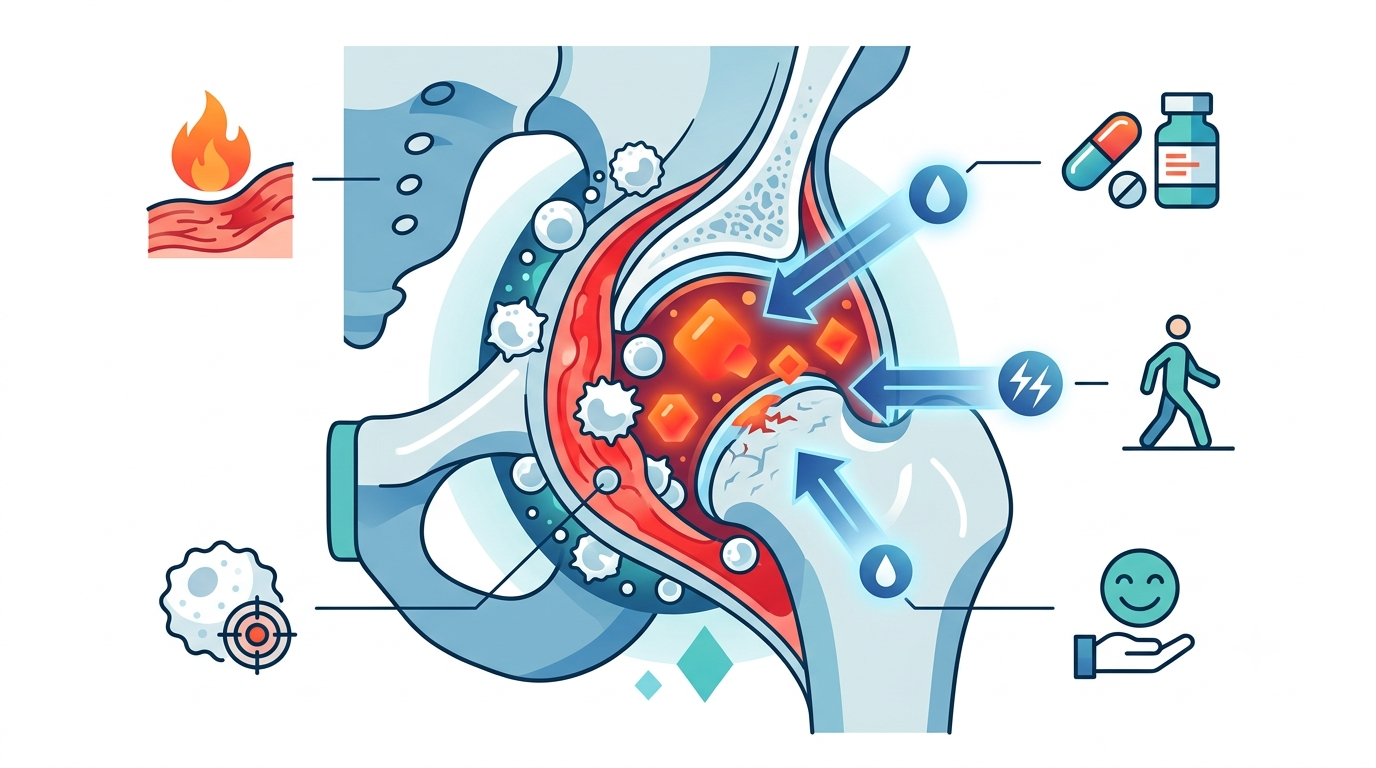
Not every patient with hip pain or arthritis requires immediate surgery. Depending on the diagnosis and severity of symptoms, initial treatment may include:
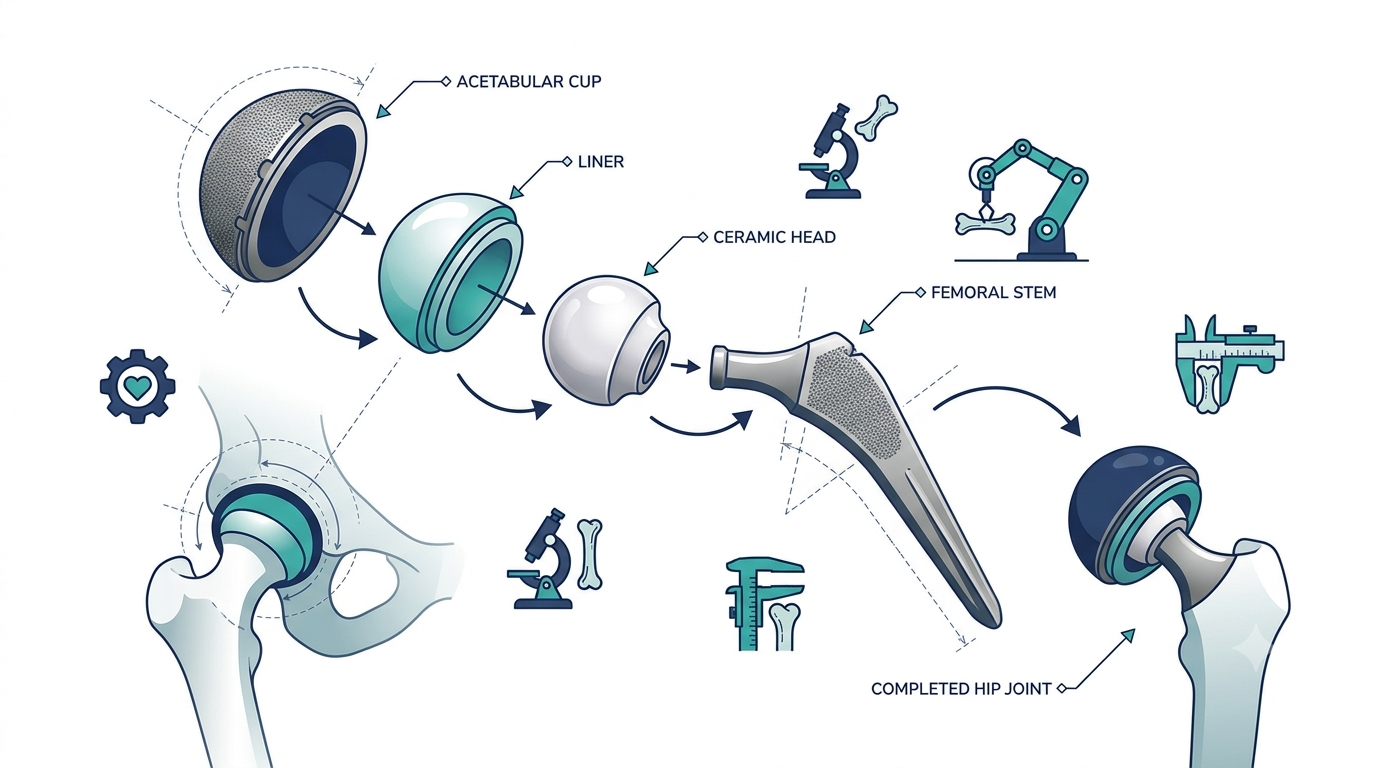
Before Surgery
Careful planning begins before the day of surgery.The surgeon evaluates the patient’s symptoms, limb alignment, limb alignment, hip movement, walking pattern, muscle strength, and any apparent difference in leg length.
The Operation
Hip replacement is performed under appropriate anaesthesia after assessment by the anaesthesia team. During the operation:
Materials
Technique
Hip replacement can be performed through different surgical approaches. Each approach has recognised advantages, limitations, and technical considerations. The surgeon selects the approach according to the patient’s anatomy, diagnosis, previous surgery, deformity, and the requirements of the planned reconstruction.
After Surgery
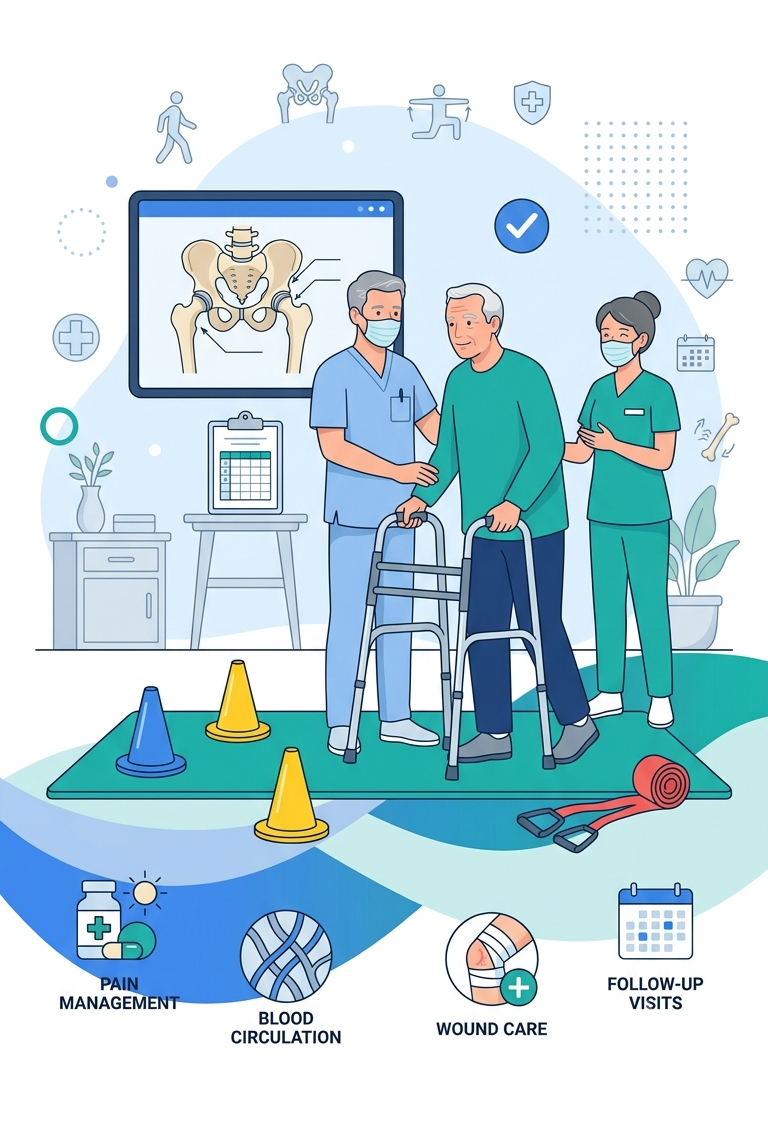
Milestones

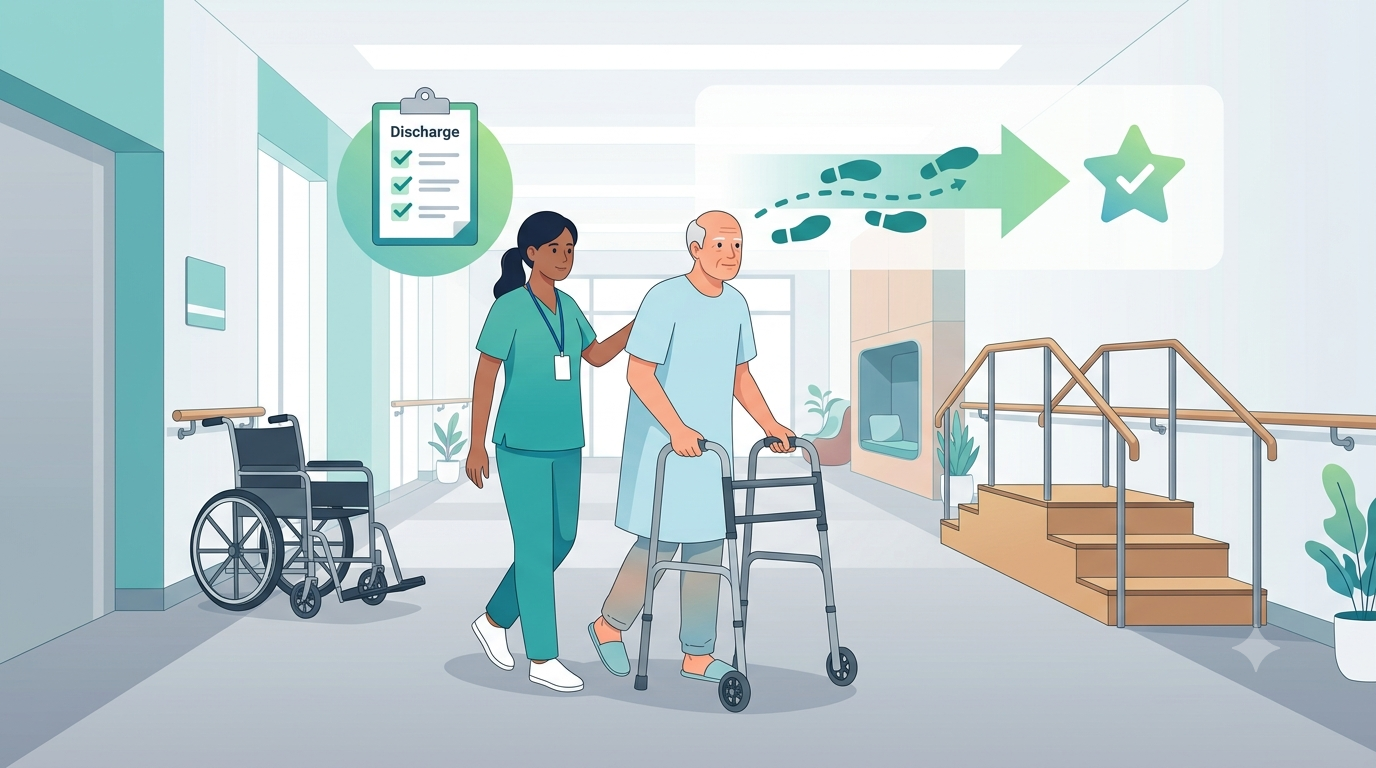



Realistic Expectations
Being Honest
Seek Help Promptly
Milestones
Hip replacement care at Eva Hospital is organised around evaluation, surgical planning, hospital care and structured rehabilitation. The treatment pathway includes:


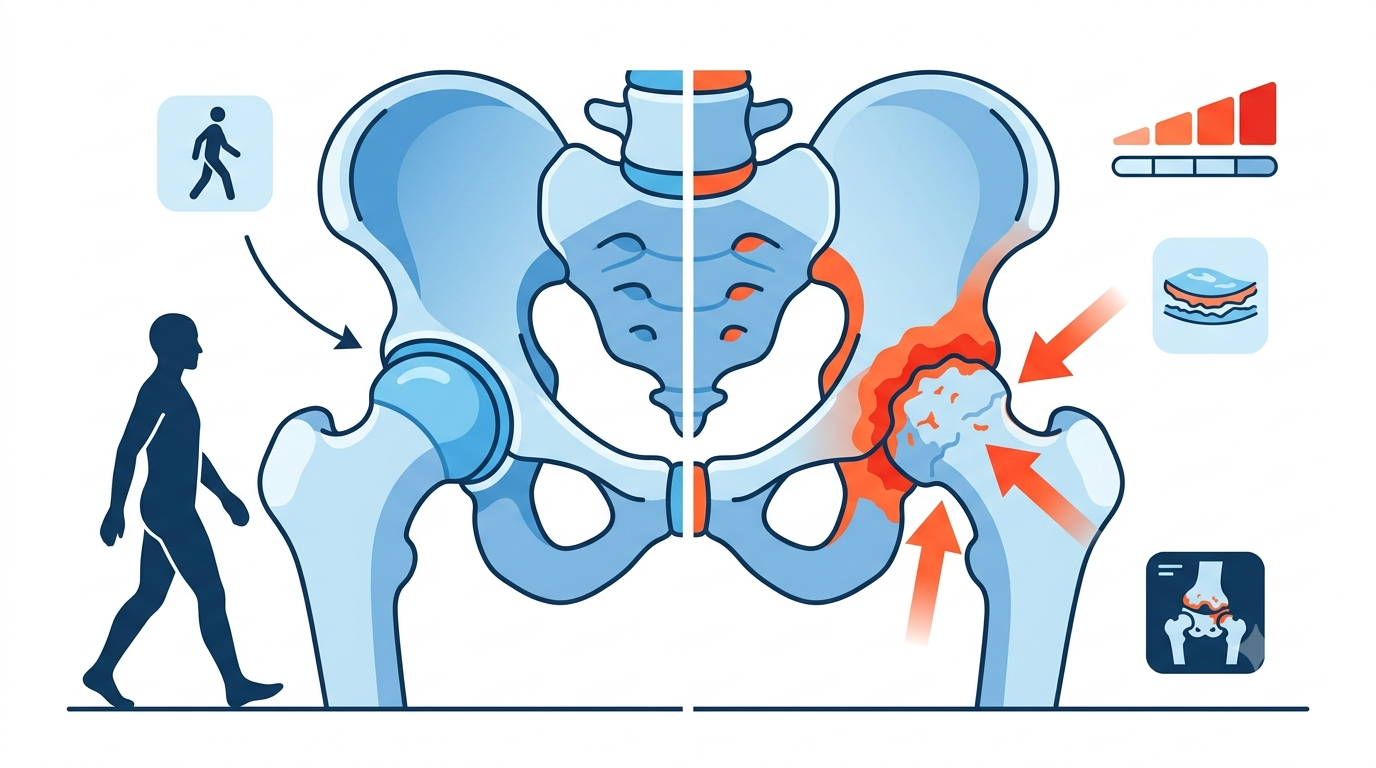
Hip replacement may be considered when hip pain, stiffness and loss of movement significantly interfere with walking, sleep, work or daily activities and appropriate nonsurgical treatment is no longer providing sufficient relief. The decision is based on symptoms, examination and X-rays rather than on X-rays alone.
Pain from the hip joint is commonly felt in the groin, front of the thigh or buttock. It may occasionally travel towards the knee. Because back and hip conditions can produce overlapping symptoms, clinical examination is important.
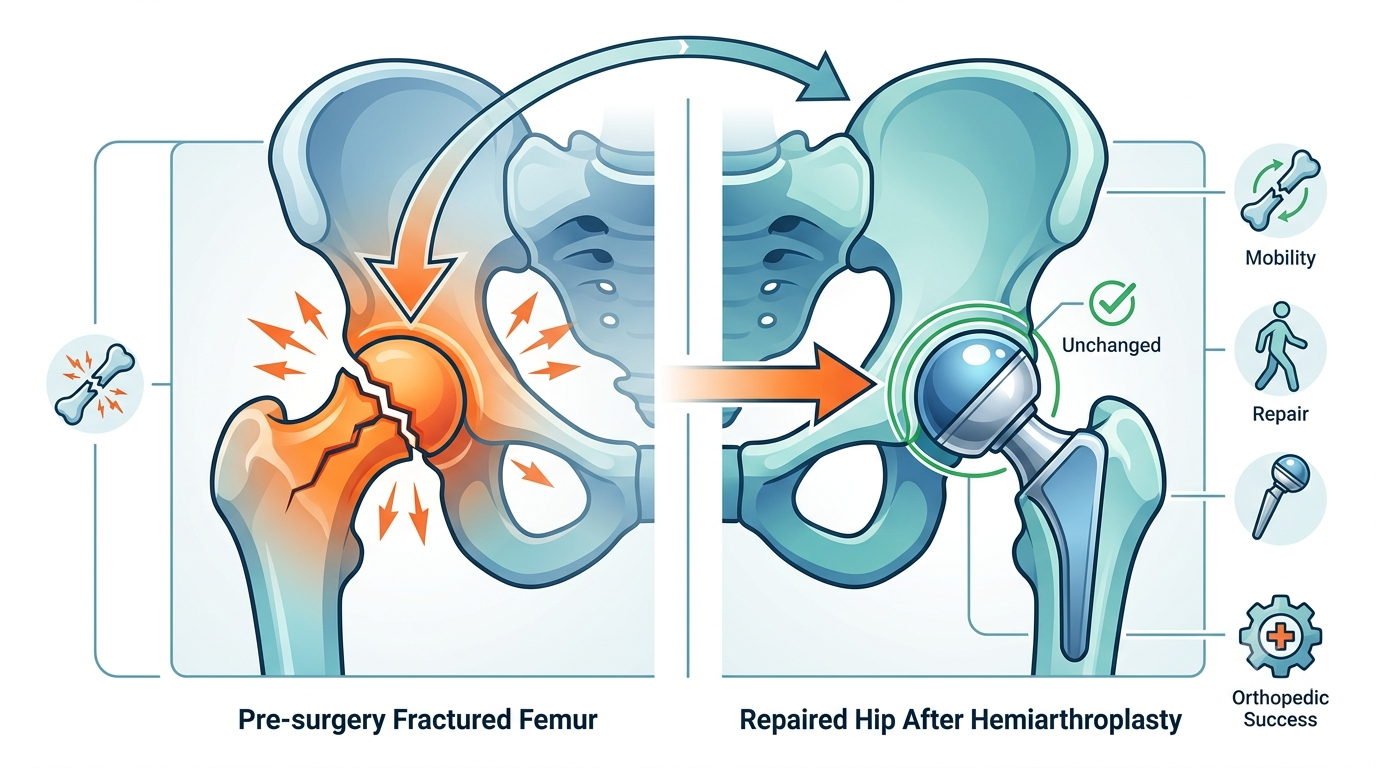
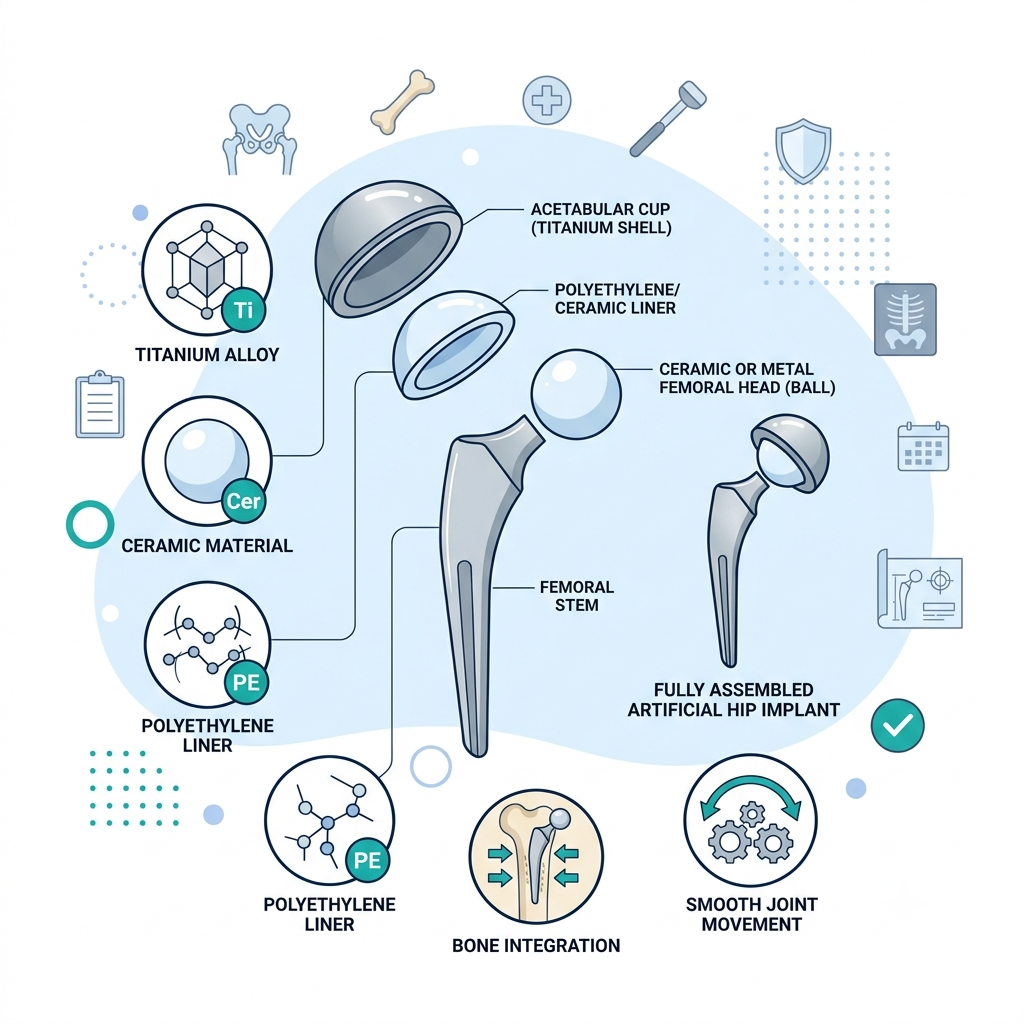
The damaged femoral head is replaced with a ball attached to a stem inside the femur. The damaged socket is fitted with an acetabular cup and liner, forming a new artificial ball-and-socket joint.
No. Total hip replacement replaces both the femoral and acetabular sides of the joint. Partial hip replacement replaces only the femoral side and is commonly used for selected fractures of the femoral neck.
Many patients begin standing and walking with assistance soon after surgery. The exact timing and amount of weight-bearing depend on the procedure, implant fixation, bone quality and the surgeon’s instructions.
The duration of walker use varies according to the patient’s age, balance, muscle strength, bone quality, implant fixation and progress with physiotherapy. Some patients progress to a walking stick within a few weeks, while others may require support for longer. Walking aids should be reduced only after assessment by the surgeon or physiotherapist, rather than according to a fixed timeline.
Hospital stay depends on medical fitness, pain control, mobility, home support and the complexity of surgery. Discharge is considered when the patient is medically stable and can mobilise safely according to the rehabilitation plan.
Driving should resume only when the wound is healing, the patient is no longer taking impairing medication, can enter and exit the vehicle safely, and can perform an emergency stop confidently. Clearance from the treating surgeon is advisable.
The surgeon aims to restore appropriate leg length while maintaining hip stability and correct implant positioning. A small perceived or actual difference can occasionally remain. Some apparent inequality may also arise from pelvic tilt, spinal deformity or longstanding muscle contracture.
Dislocation is an uncommon but recognised complication, particularly while the tissues around the hip are healing. Patients may be advised to avoid certain movements during the early recovery period depending on the surgical approach and individual risk.
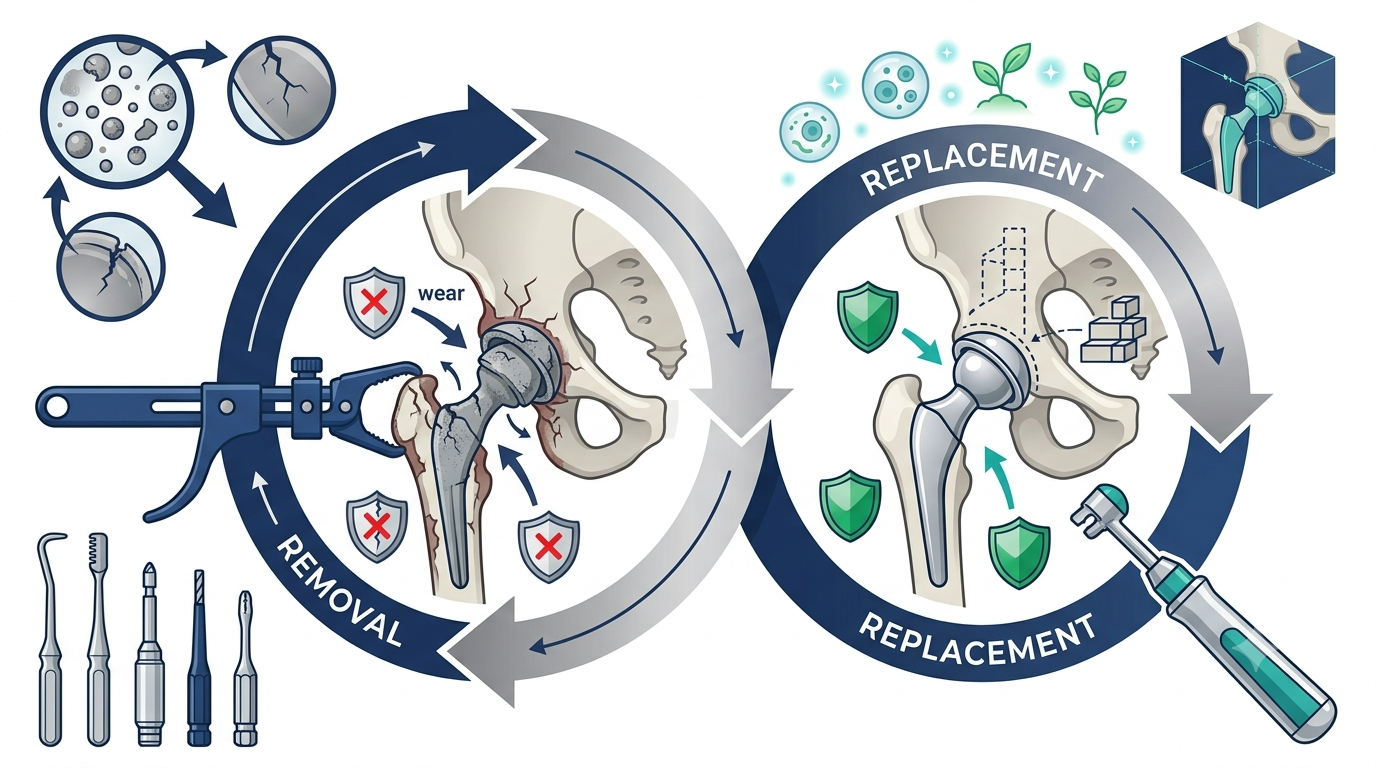
Modern implants are designed for long-term use, but no implant can be guaranteed to last for a specific number of years. Longevity depends on age, activity level, body weight, bone quality, implant type, positioning and other patient-related factors.
Walking, cycling, swimming and other low-impact activities are commonly encouraged after adequate recovery. Running, jumping, contact sports and repetitive high-impact exercise may place greater stress on the implant and should be discussed individually.
Recognised risks include infection, blood clots, dislocation, fracture, leg-length difference, nerve or blood-vessel injury, persistent pain, implant wear or loosening, and anaesthetic or medical complications. The individual risk profile is discussed before surgery.
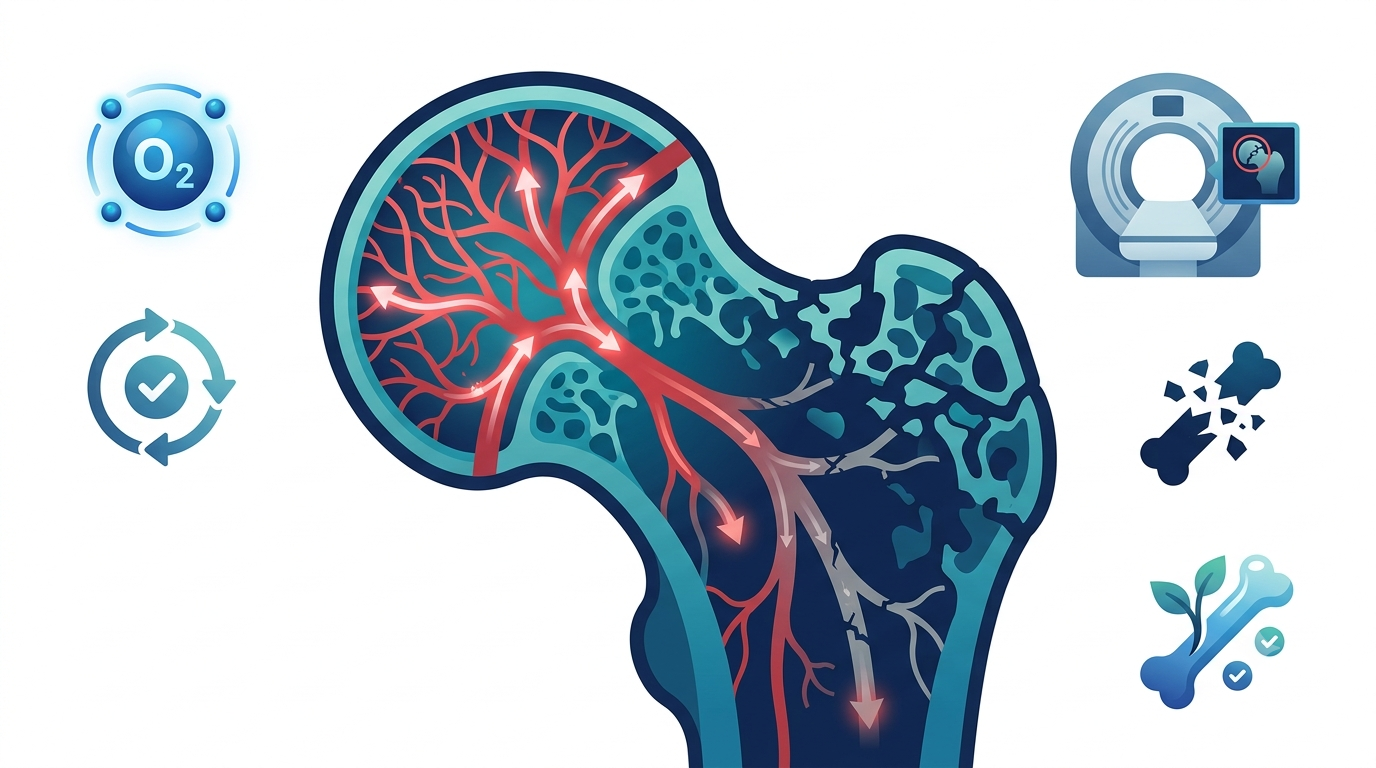
Hip replacement may be recommended when avascular necrosis has caused collapse of the femoral head, advanced arthritis and substantial pain or disability. Earlier-stage disease may have other treatment options.
Patients can call or WhatsApp EVA Hospital to arrange a consultation with Dr. Tanveer Bhutani. Where available, they should bring previous X-rays or scans, medical records and a current list of medications.
Consult our specialists for accurate diagnosis and effective treatment solutions.
