

Frozen Shoulder Treatment in Ludhiana

Evaluation and treatment of painful, stiff shoulders, from physiotherapy to arthroscopic capsular release

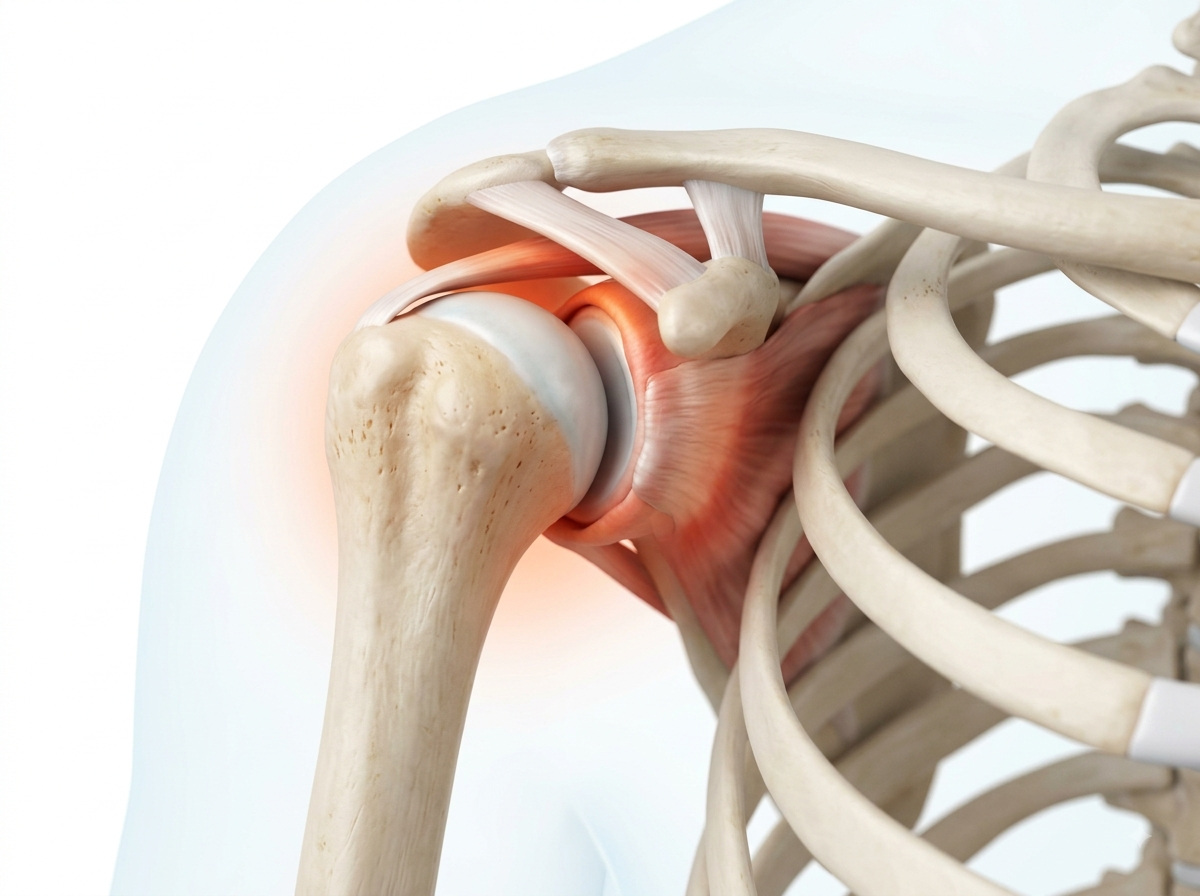
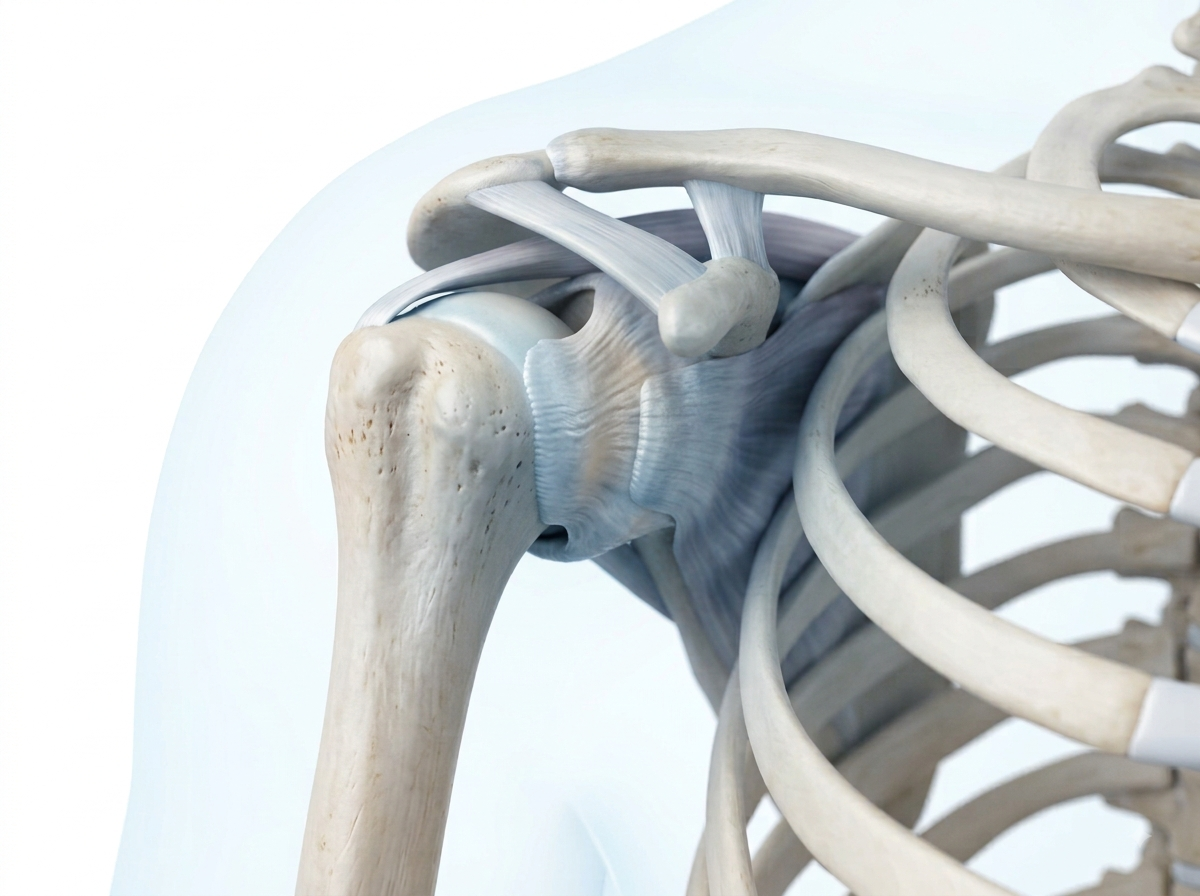
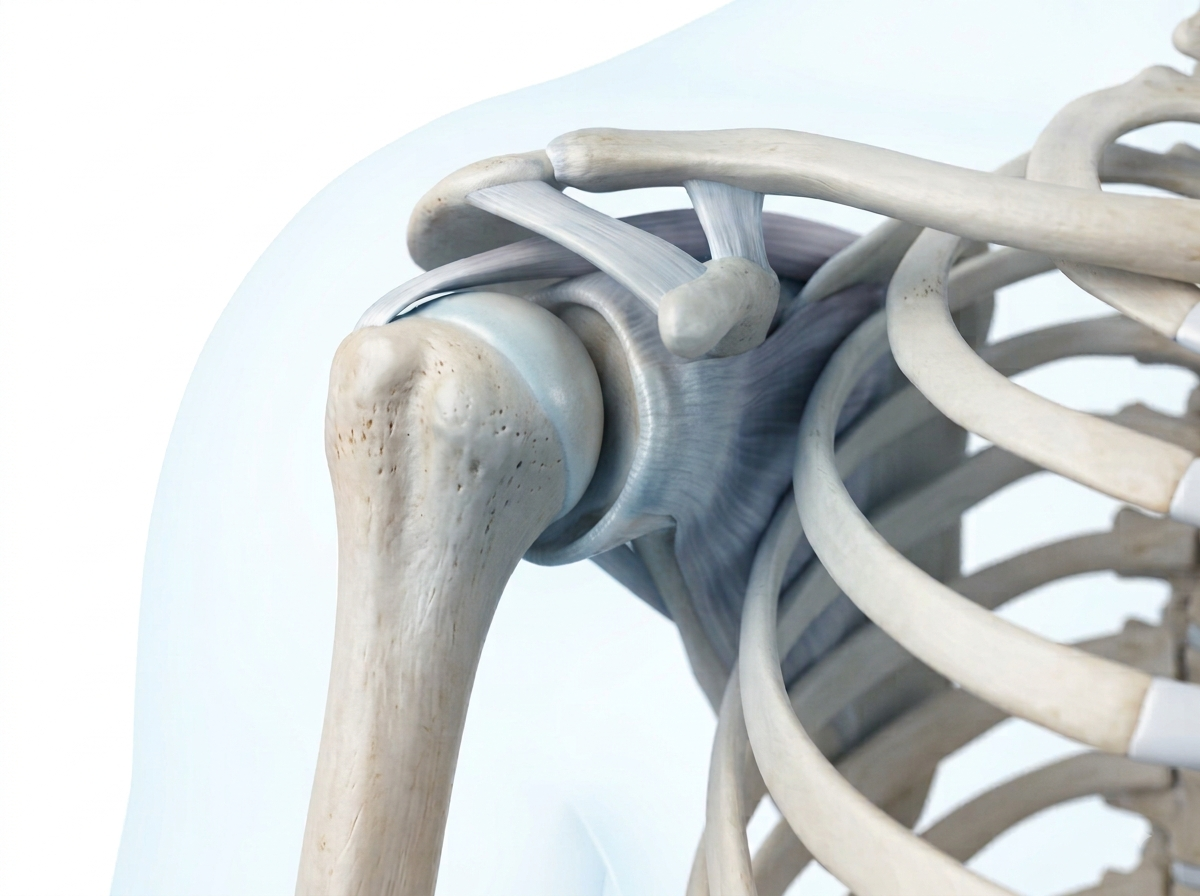
Not every frozen shoulder needs surgery. Most patients improve with the correct combination of medication, physiotherapy, injections and supervised rehabilitation. When stiffness persists despite months of treatment, arthroscopic capsular release may help improve movement and reduce pain in selected patients. Results vary.

Eva Hospital Original photo

Two categories

Why Does Frozen Shoulder Occur?

Primary Frozen Shoulder

No obvious cause. Common in:

Secondary Frozen Shoulder

Occurs after:

Understanding the Three Stages of Frozen Shoulder

Stage 1 Freezing

Stage 1

Freezing

Usually 3–9 months

Frozen

Stage 2

Frozen

Lasts 4–12 months
Thawing

Stage 3

Thawing

May continue improving for 1–2 years
Disclaimer: Images are AI-generated for illustrative purposes only.

What Does Frozen Shoulder Feel Like?

Struggle to put on clothes

Tuck in a shirt

Reach a back pocket

Sleep on the affected side

Reach a top shelf or wear a jacket.

Cannot wear a jacket.

Frozen Shoulder vs Rotator Cuff Tear

FeatureFrozen ShoulderRotator Cuff Tear
Pain Diffuse, worsens through Stage 1, and is present with most movements. Typically localised to the outer or upper shoulder and worse with specific movements.
Weakness Usually minimal true weakness once pain is accounted for. Often a genuine, measurable weakness, especially with lifting or overhead activity.
Night Pain Prominent, especially in Stage 1. Common, especially when lying on the affected shoulder.
Stiffness Severe and global — restricted in all directions, including passive movement when examined. Usually preserved passive movement; active movement is limited more by pain or weakness.
Range of Motion Markedly reduced in every plane, including elevation and rotation. May be near-normal, or reduced mainly in specific planes.
MRI Findings Often relatively unremarkable, or may show capsular thickening. MRI is not always needed to diagnose it. Shows the tendon tear directly, along with its size, retraction and muscle quality.
Need for Surgery Uncommon — generally reserved for prolonged, treatment-resistant stiffness. Depends on tear size, symptoms and function; surgery is more frequently considered.
Recovery Self-limiting over 1–3 years in most cases, with recovery potentially faster with appropriate treatment. Recovery depends heavily on whether the tear is treated surgically or non-surgically.

How We Diagnose Frozen Shoulder

History

Pattern of onset, progression, night pain and any preceding injury, surgery or period of immobilisation.

Clinical Examination

Assessment of active and passive range of motion — the hallmark of frozen shoulder is restricted movement even when the examiner moves the arm for the patient.

Range of Motion Testing

Elevation, external and internal rotation are measured and compared with the opposite shoulder.

X-rays

Used mainly to rule out arthritis or other bony causes of stiffness, not to diagnose frozen shoulder itself.

MRI

Not routinely required. Reserved for atypical presentations, suspected associated rotator cuff pathology, or when symptoms don't fit the typical frozen shoulder pattern.

Blood Sugar Testing

Recommended in patients with risk factors or an unclear diagnosis, given the strong association between frozen shoulder and diabetes.

Treatment of Frozen Shoulder

Stage 1 — Pain Relief

Focused on calming the acutely painful, inflamed capsule.
  • NSAIDs
  • Heat
  • Sleep advice
  • Home exercises

Stage 2 — Structured Physiotherapy

Once acute pain settles, movement work begins in earnest.
  • Stretching
  • Joint mobilization
  • Home exercise programme

Steroid Injection

Most useful early, particularly in Stage 1, when pain and inflammation dominate the picture.
  • Best time: early in the painful phase
  • Who benefits: patients with significant pain limiting participation in physiotherapy
  • Who should avoid repeated injections: patients who have already had several injections without lasting benefit, or where tissue quality is a concern

Hydrodilatation

A procedure in which fluid is used to gently distend and stretch the tight capsule.
  • Who benefits: selected patients with persistent stiffness who have not fully responded to physiotherapy and injections
  • Evidence: reasonable short-to-medium-term benefit in appropriately selected patients
  • Limitations: benefit is not universal, and effects can be temporary in some patients

Manipulation Under Anaesthesia

The shoulder is gently but forcefully moved through its range while the patient is anaesthetised, mechanically tearing the contracted capsule.
  • Pros: can produce a rapid increase in range of motion
  • Cons: less controlled and less precise than arthroscopic release; movement is forced rather than directly visualised
  • Potential complications: fracture, dislocation, and rarely rotator cuff injury from the forceful manipulation
  • Why it's performed less frequently today: arthroscopic capsular release allows the tight capsule to be released under direct vision, with a more controlled release

Arthroscopic Capsular Release

This is a surgical option for long-standing, treatment-resistant stiffness, this is generally the most reliable and controlled surgical option.
  • Keyhole surgery
  • Release of the contracted, thickened capsule under direct arthroscopic vision
  • Movement is assessed during the procedure
  • Early physiotherapy begins right away to maintain the gains made during surgery
  • Outcomes vary from patient to patient
Particularly suited to:
  • Diabetic patients, who often have a more resistant course
  • Long-standing stiffness that has not responded to conservative measures
  • Patients who have failed a well-supervised conservative treatment programme

When Is Surgery Recommended?

Pain for 6–9 months

Failed physiotherapy

Minimal improvement

Unable to work

Persistent severe stiffness

Failed injection

Post-traumatic stiffness

Recovery Timeline After Arthroscopic Capsular Release

Recovery TimelineWhat to Expect
Week 1 Early, guided physiotherapy begins soon after treatment to maintain the range of motion achieved during surgery. Pain, swelling and discomfort are managed with prescribed medication, ice and appropriate activity modification.
Week 2–6 Intensive physiotherapy continues with a focus on maintaining and gradually improving shoulder movement while preventing the capsule from becoming stiff again. Exercises are progressed according to comfort and clinical recovery.
6–12 Weeks Progressive strengthening exercises are introduced as shoulder movement becomes more consistent and comfortable. The emphasis shifts towards rebuilding strength, control and function.
3 Months Many patients experience improving shoulder movement and can perform more everyday activities. Recovery varies. Rehabilitation continues to address remaining stiffness and weakness.
6 Months Improvement may continue in shoulder strength, comfort, mobility and confidence is expected. Some patients may continue to make gradual gains beyond this stage with ongoing exercises and rehabilitation.

Frozen Shoulder in Diabetic Patients

Frozen shoulder is very common in patients with diabetes, and its behaviour differs meaningfully from non-diabetic patients.

Higher Incidence

Diabetics develop frozen shoulder considerably more often than the general population.

More Severe

Stiffness tends to be more pronounced and more difficult to fully reverse with conservative measures alone.

Longer Recovery

Each stage of the condition, and the overall timeline, often runs longer in diabetic patients.

Need for Strict Sugar Control

Good glycaemic control is an important part of the overall treatment plan, not just background management.

Greater Chance of Requiring Surgery

Because conservative treatment is less reliably sufficient, diabetic patients more often go on to need arthroscopic capsular release.

Related Pages

Shoulder Arthroscopy

The keyhole technique used for capsular release.

Rotator Cuff Repair

A different shoulder problem, often confused with frozen shoulder.

Bankart Repair

Treatment for recurrent shoulder dislocation.

Shoulder Replacement

For advanced shoulder arthritis.

Sports Injuries

Sports Injury Clinic Our full sports medicine service.

Best Orthopedic Doctor

About Dr. Tanveer Bhutani's practice.

Our Doctor

Details of registered medical practitioners at Eva Hospital, Ludhiana, provided for patient information.

Dr. Tanveer Bhutani

Consultant Orthopaedic Surgeon

Qualifications
MBBS, MS (Orthopaedics), M.Ch (Orthopaedics) (UK)
Department
Orthopaedics
Registration status
Registered
Registration No. (NMR/SMR)
[ENTER NMR / SMR NUMBER]
Registered with
[ENTER STATE MEDICAL COUNCIL NAME]
Availability
[ENTER OPD DAYS AND TIMINGS]

Registration can be verified on the NMC website.

Frequently Asked Questions

Yes, in many patients frozen shoulder is self-limiting and improves over 1–3 years even without specific treatment, though appropriate treatment usually shortens this timeline and reduces the severity of stiffness along the way.

Recurrence in the same shoulder is uncommon once fully resolved, though some patients later develop it in the opposite shoulder.

Yes. Diabetic patients tend to have a more severe, longer-lasting and more treatment-resistant course, and more frequently require arthroscopic treatment.

Gym activity itself is not a typical direct cause, but an injury sustained during exercise, or a prolonged period of reduced shoulder movement afterward, can contribute in some patients.

Yes, it can occur in the second shoulder at a different time, particularly in diabetic patients, though it does not usually affect both shoulders simultaneously.

Gentle, guided movement within the limits of pain is generally encouraged; aggressive or forced stretching, especially early on, can worsen symptoms.

Frozen shoulder is often a clinical diagnosis based on history and examination. MRI is not routinely required and is reserved for atypical cases or when another shoulder problem is also suspected.

Postoperative discomfort is expected after arthroscopic capsular release, but it is managed with pain medication, Postoperative discomfort is expected after arthroscopic capsular release and is managed with pain medication.

Yes — physiotherapy is essential both before and, especially, after arthroscopic capsular release. Skipping it significantly compromises the surgical result.

Recurrence of significant stiffness after a well-performed capsular release followed by consistent physiotherapy is uncommon, though some residual stiffness can persist in a minority of patients.

Driving should resume only once you have regained enough painless movement and control to operate a vehicle safely, including emergency manoeuvres — this varies between patients.

True permanent frozen shoulder is uncommon; most patients regain substantial movement over time, though a small proportion have some residual stiffness even after treatment.

Frozen shoulder causes global stiffness restricting movement in every direction, including when the examiner moves the arm, whereas a rotator cuff tear more often causes localized pain and weakness with relatively preserved passive movement.

Without treatment, the full cycle through freezing, frozen and thawing stages can take 1–3 years; appropriate treatment often shortens this and reduces symptom severity.

No. They can meaningfully reduce pain and inflammation, particularly early in the condition, but they do not by themselves resolve the underlying capsular tightening.

A procedure in which fluid is injected to gently stretch and distend the tight shoulder capsule, sometimes used for persistent stiffness that hasn’t responded to physiotherapy and injections alone.

A procedure where the shoulder is forcefully moved through its range while the patient is anaesthetised, mechanically breaking up the contracted capsule. It carries more risk of fracture or other injury than arthroscopic release and is used less often today.

Capsular release directly divides the tight capsule under arthroscopic vision in a controlled way, rather than forcing movement blindly, which generally makes it a more controlled option.

If shoulder stiffness and pain are progressively worsening over several weeks, disturb sleep, or significantly limit daily activities, an assessment is worthwhile rather than assuming it will resolve on its own.

Early, guided movement (as permitted) after an injury or surgery, rather than prolonged immobilisation, can reduce the risk of developing secondary frozen shoulder in some patients.

Painful, Stiff Shoulder?

Consult the Orthopaedics Department at Eva Hospital, Pakhowal Road, Ludhiana, for evaluation and a treatment plan based on the stage of your frozen shoulder.

Hip Replacement

Send Message

Consult our specialists for accurate diagnosis and effective treatment solutions.

pop up