
ACL Reconstruction Surgery by Dr. Tanveer Bhutani
Understanding the injury
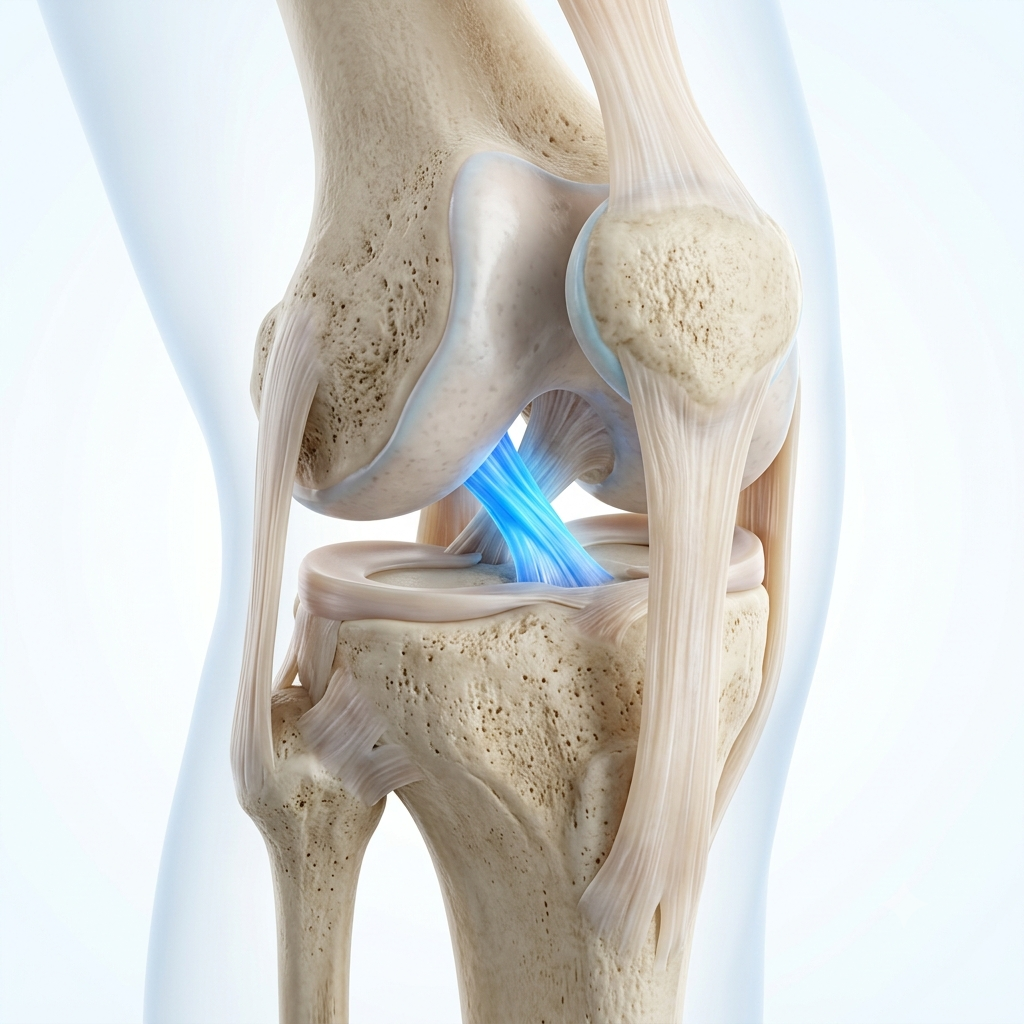
What is the ACL?
- Provides rotational stability during pivoting and cutting movements
- Prevents excessive forward movement of the tibia relative to the femur (anterior tibial translation)
- Works together with the menisci and surrounding muscles to keep the knee stable under load
How Does an ACL Tear Occur?
Hip replacement components may be fixed to the bone using bone cement or may be designed for biological bone ingrowth.
Sports Injuries
Twisting Injuries
Landing After a Jump
Road Traffic Accidents
Contact Injuries
Symptoms of an ACL Tear
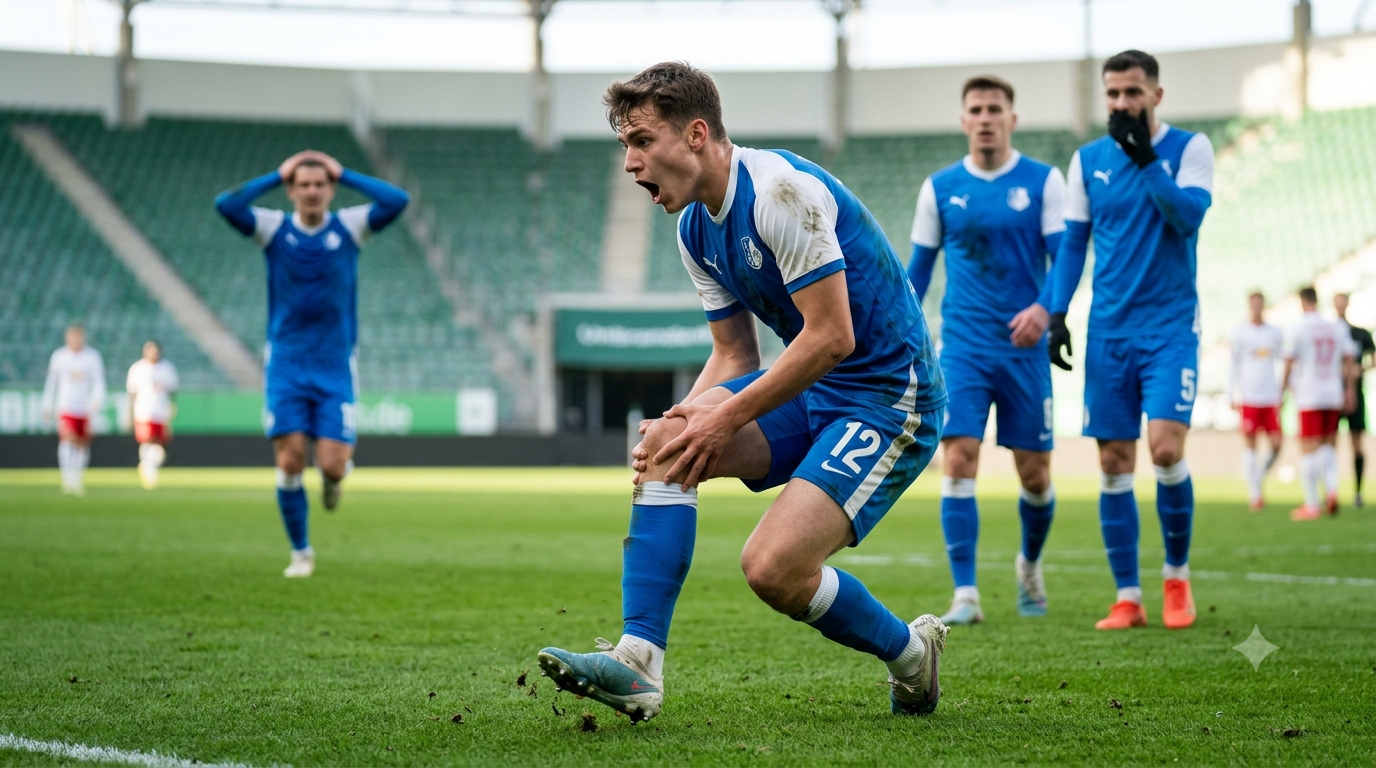
An Audible Pop
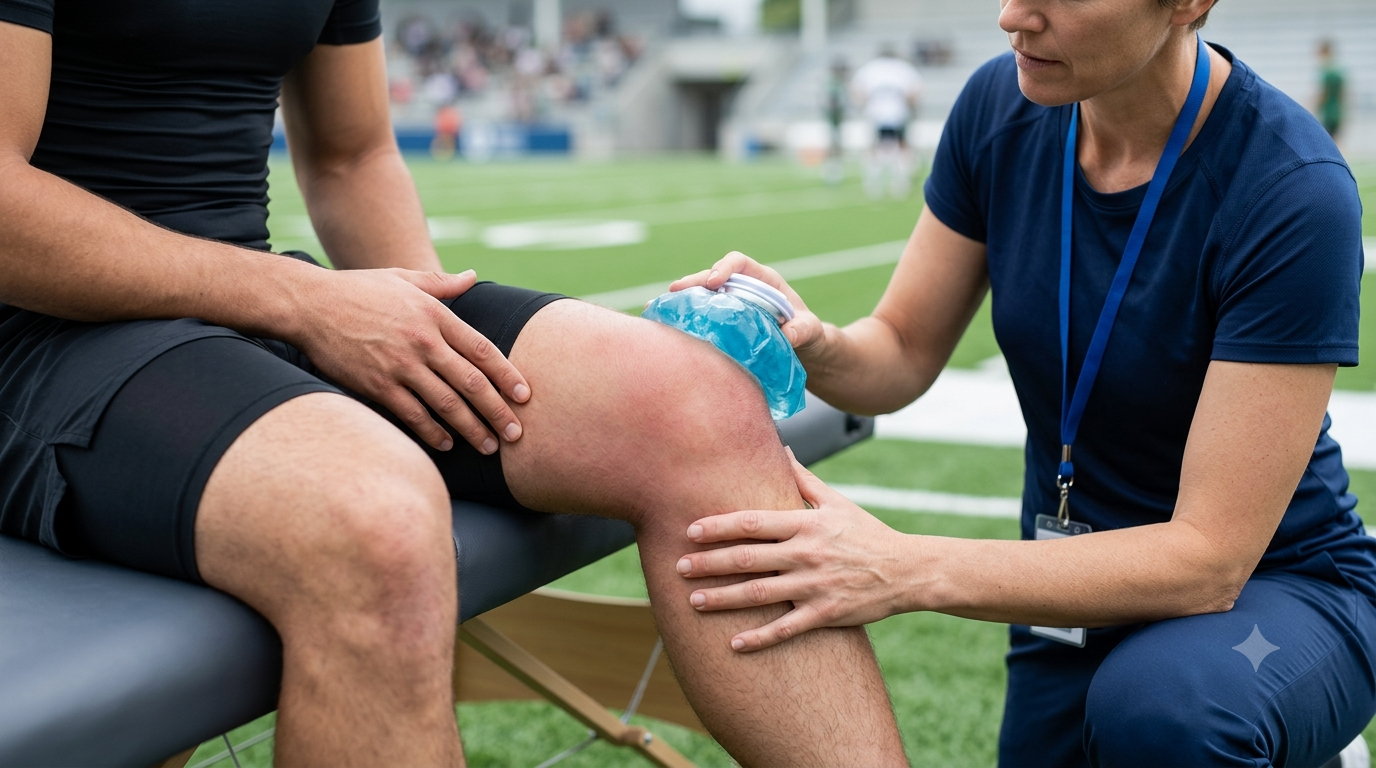
Immediate Swelling
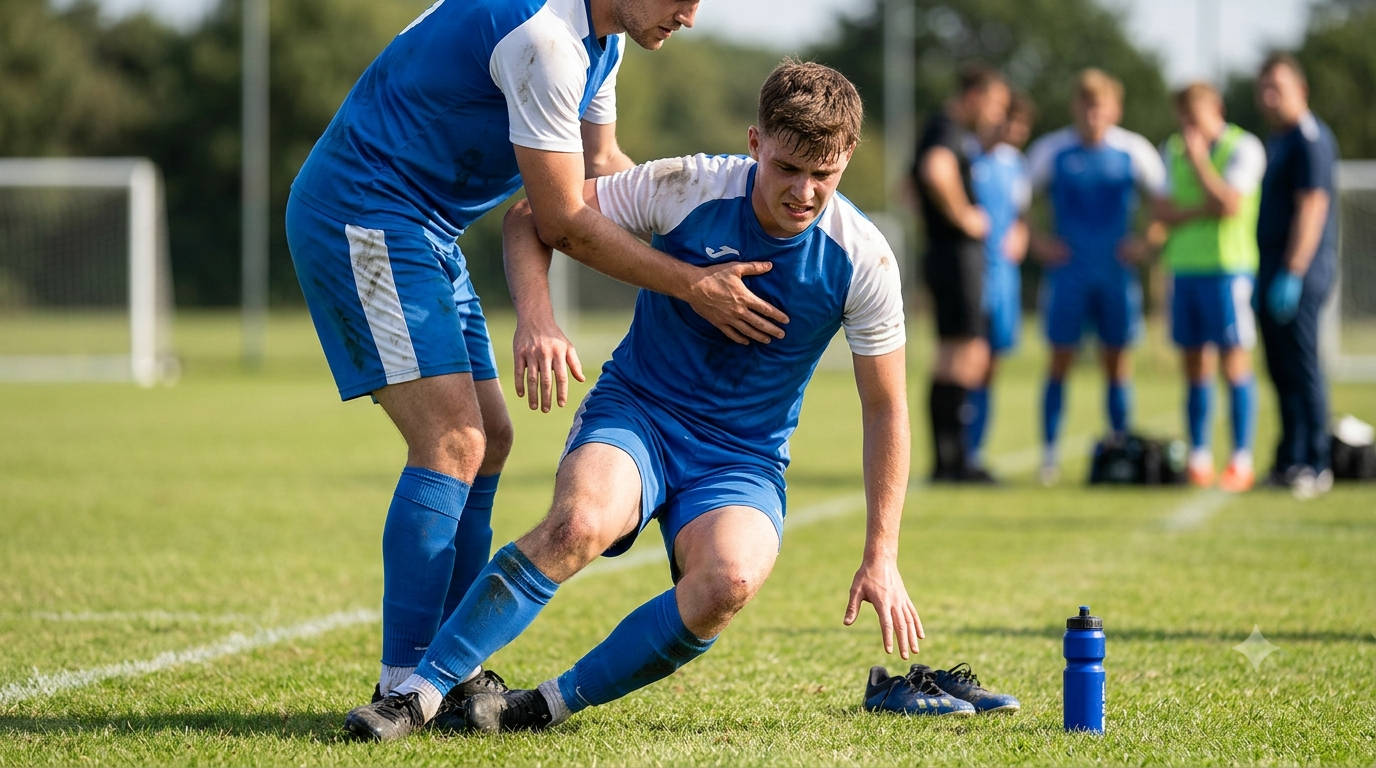
Instability
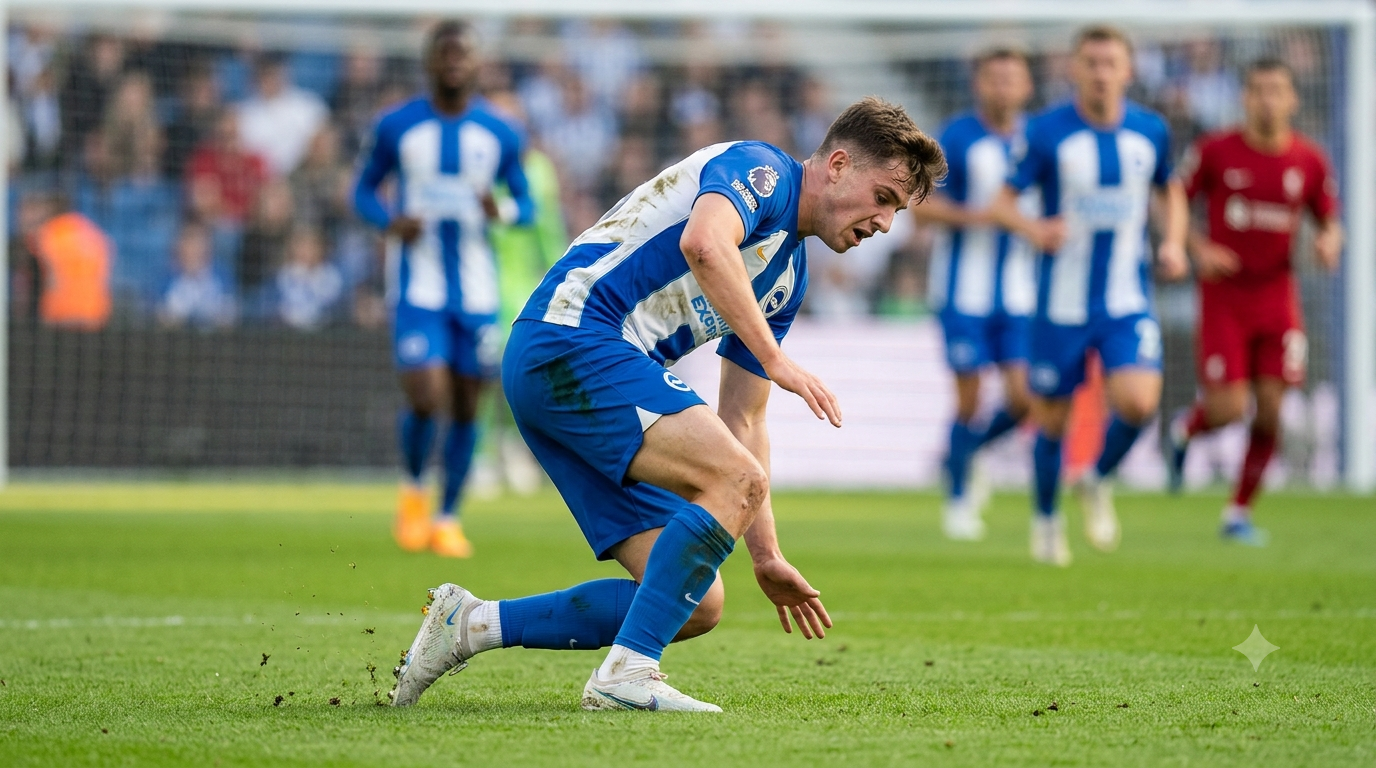
Knee Giving Way
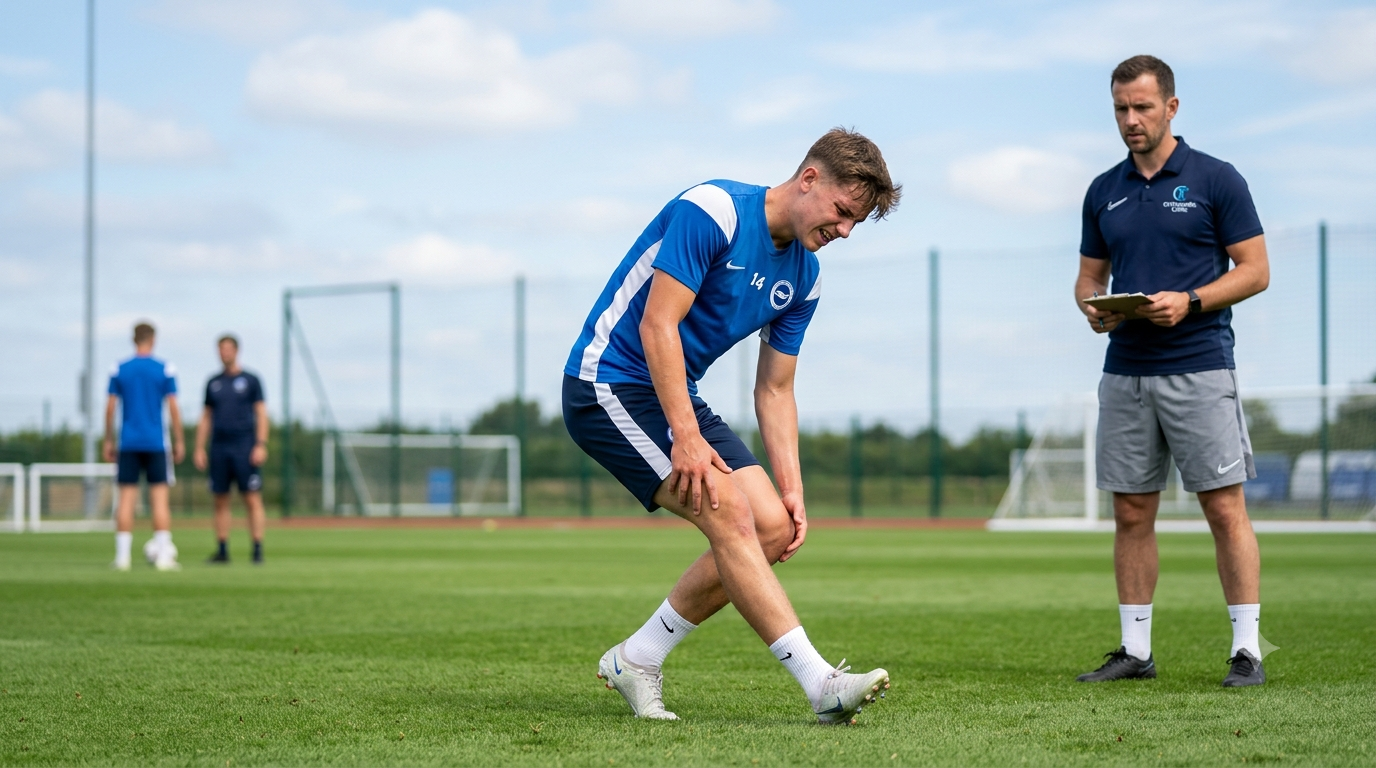
Difficulty Pivoting
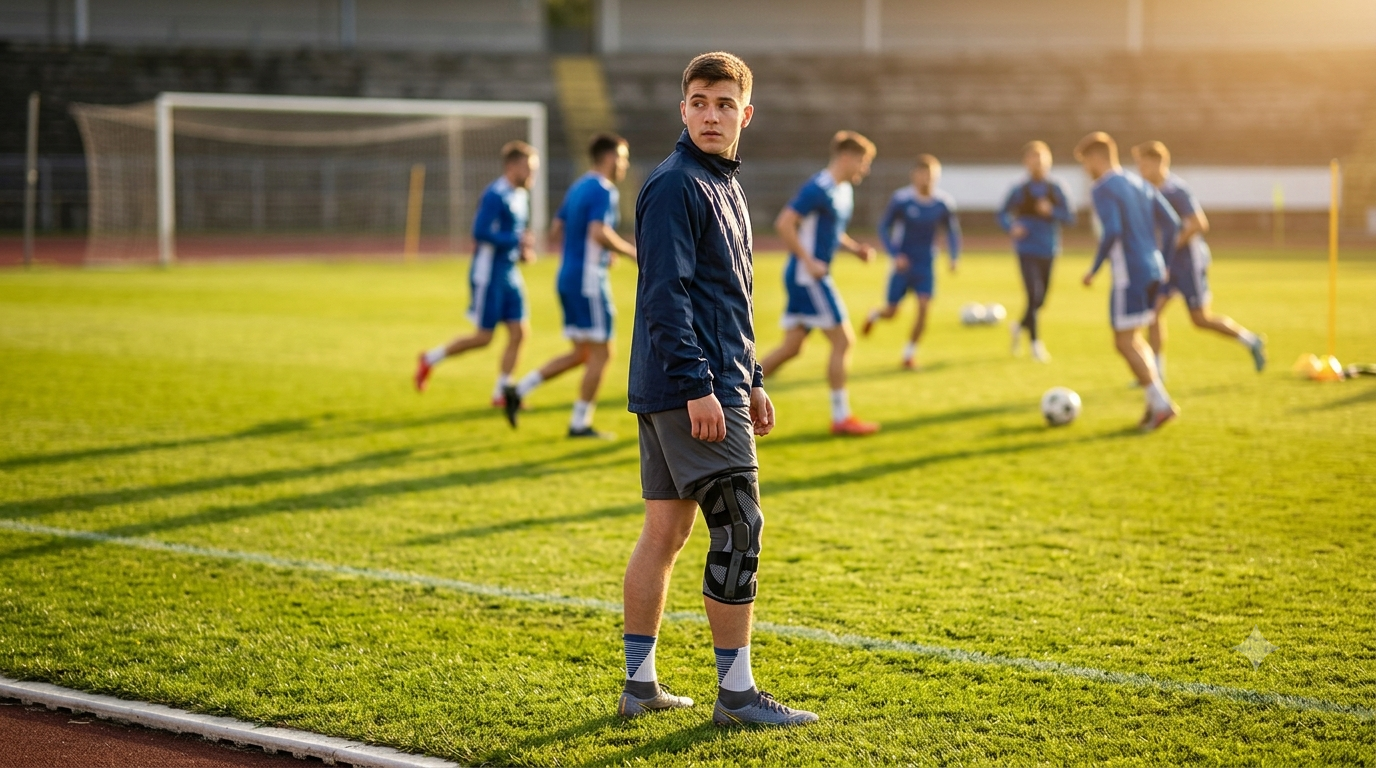
Reduced Confidence
Reaching an accurate diagnosis
How is an ACL Tear Diagnosed?
History
Clinical Examination
Lachman Test
Anterior Drawer Test
Pivot Shift Test
MRI
Standing X-rays
An important distinction
Partial vs Complete ACL Tear
| Partial Tear | Complete Tear |
|---|---|
| A portion of the ligament fibres remain intact | The ligament is fully ruptured with no continuity between fragments |
| May provide some residual rotational stability | Rotational stability is lost, increasing the risk of the knee giving way |
| Selected cases may be managed without surgery, with close monitoring | Reconstruction is usually recommended for young, active patients in pivoting sports |
| Often associated with lower-energy twisting injuries | More frequently associated with meniscus and cartilage injury |
The most important question
Do All ACL Tears Require Surgery?
Conservative (Non-Surgical) Treatment
- Elderly patients
- Sedentary individuals with low functional demands
- Medically unfit patients where surgical risk is a concern
- Selected partial tears with a stable clinical examination
Complete ACL Tears in Active Patients
The cost of waiting
Why Delaying Surgery Can Be Harmful
Repeated Instability
Meniscus Tear
Cartilage Damage
Early Arthritis
Choosing the right graft
ACL Graft Options
| Graft | Advantages | Considerations |
|---|---|---|
| Hamstring Tendon | Smaller incision, less anterior knee pain, strong graft | Some studies report slightly higher rotational laxity in certain patients |
| Bone-Patellar Tendon-Bone (BTB) | Bone-to-bone healing, popular in pivoting-sport athletes | Higher risk of anterior knee pain and kneeling discomfort |
| Quadriceps Tendon | Larger graft diameter, good option for revision surgery | Technique-sensitive harvest, can cause quadriceps-site discomfort |
| Allograft (Donor Tissue) | No donor-site morbidity, shorter surgical time | Generally reserved for older, lower-demand patients due to a higher re-tear risk in young athletes |
Often overlooked, always important
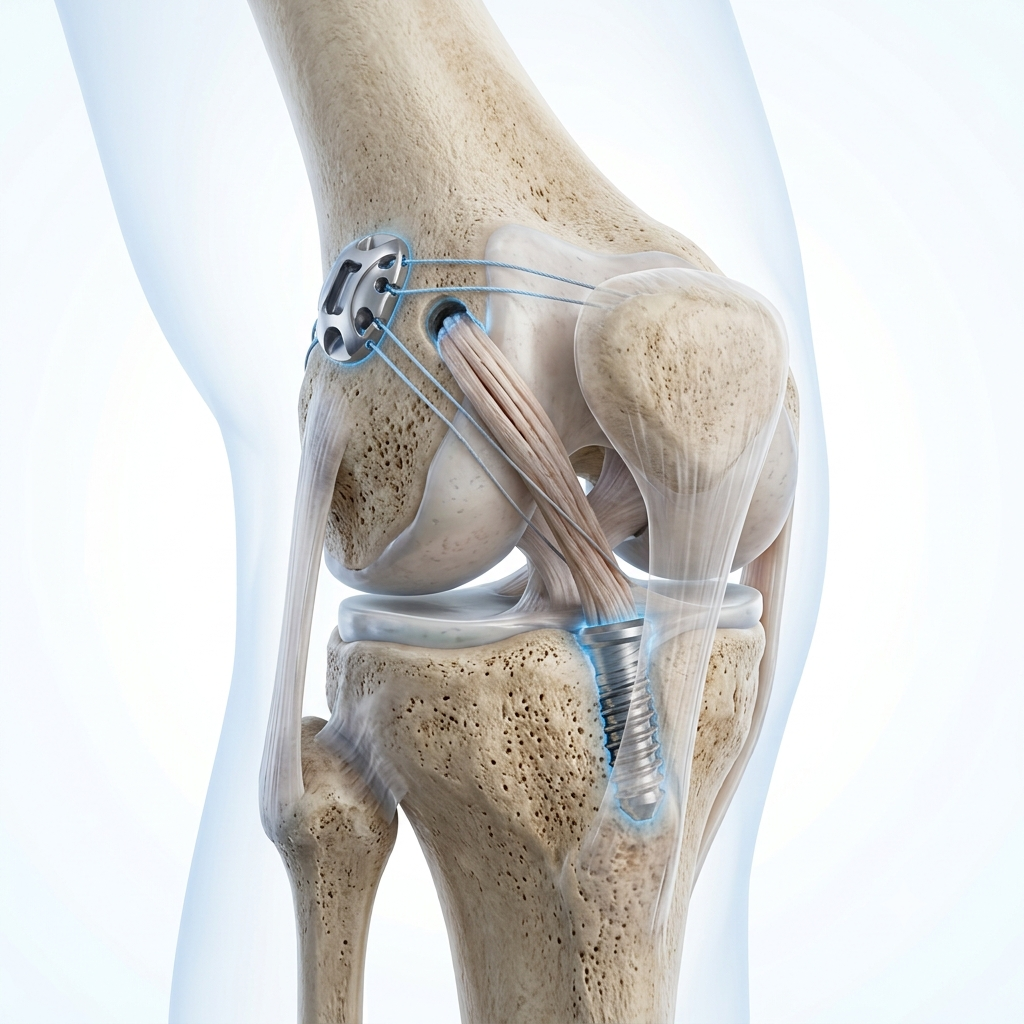
ACL Fixation Methods
Femoral fixation options include suspensory fixation (using a button or loop on the outer bone surface) and aperture fixation (using a screw closer to the joint surface).
Tibial fixation options include interference screws, suspensory fixation, and hybrid techniques combining more than one method.
Graft augmentation
Internal Bracing / Graft Augmentation
- A strong suture tape placed alongside the graft to share load during early healing
- May protect the graft while it biologically incorporates in the first few months
- Often considered in revision ACL surgery
- Sometimes used in high-demand athletes returning to pivoting sport
Preserving the meniscus
Meniscus Injuries with ACL Tears
An estimated 50–70% of ACL injuries have an associated meniscus tear. The meniscus acts as a shock absorber for the knee, so preserving it matters for long-term joint health.
- Repair is performed whenever the tear pattern and blood supply allow it
- Meniscectomy (trimming) is reserved for tears that cannot be repaired
- Meniscus treatment is planned alongside ACL reconstruction, not as an afterthought
What to expect in the operating room
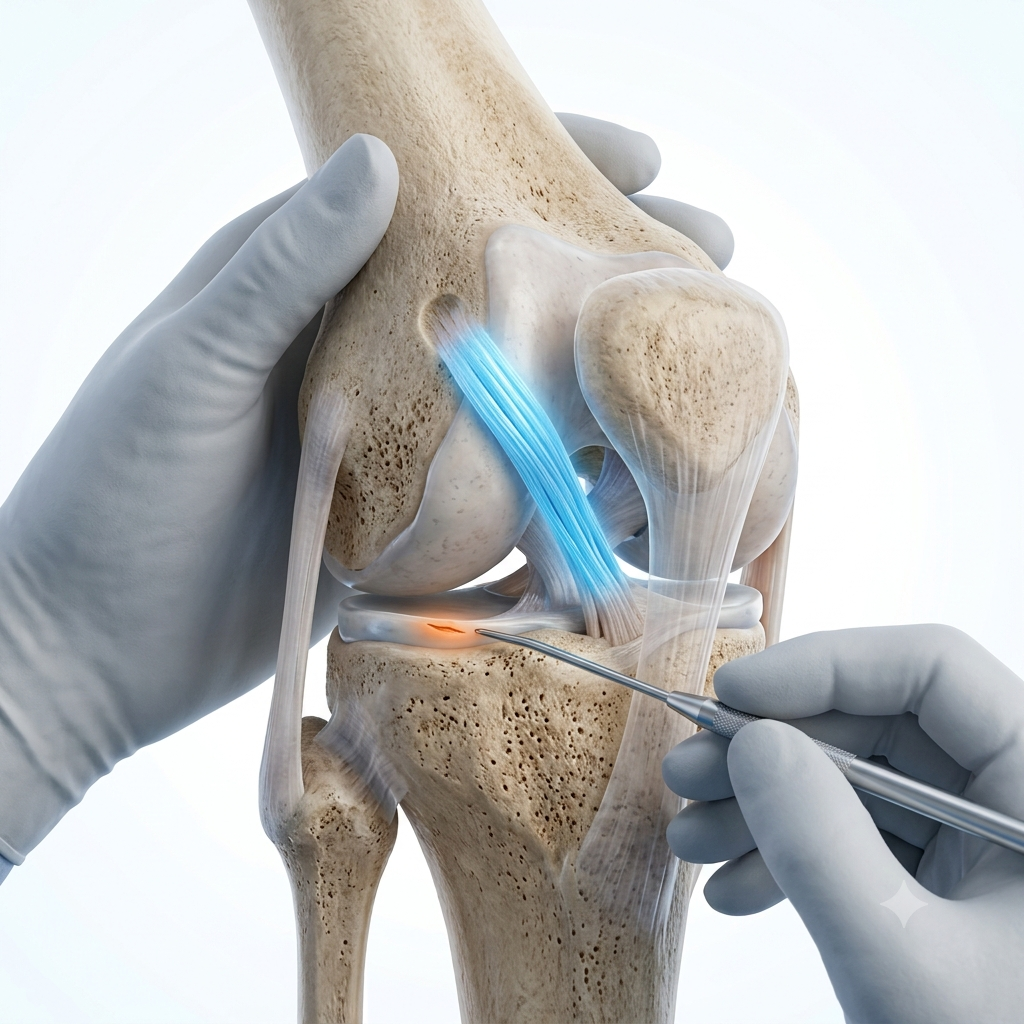
Surgical Technique, Explained Simply

Arthroscopic Assessment

Graft Harvest

Graft Preparation

Tunnel Creation

Graft Fixation

Associated Repairs
The road back
Rehabilitation Timeline
Recovery follows a structured, physiotherapy-led programme rather than a fixed calendar.
| Recovery Timeline | Rehabilitation Goals |
|---|---|
| Week 1 | Pain and swelling control, gentle range-of-motion exercises, weight-bearing as advised. |
| Week 2 | Progressive range of motion, quadriceps activation, walking with support as needed. |
| Week 6 | Improved strength and balance, stationary cycling, gait normalisation. |
| 3 Months | Progressive strengthening, introduction of controlled jogging where appropriate. |
| 6 Months | Sport-specific drills, agility and change-of-direction training begin under supervision. |
| 9 Months | Functional and strength testing guide readiness; many athletes are not yet cleared to return before this point. |
| 12 Months | Full sport-specific testing and confidence-based return-to-play assessment. |
Getting back to what you love
Return to Sports and Daily Activities
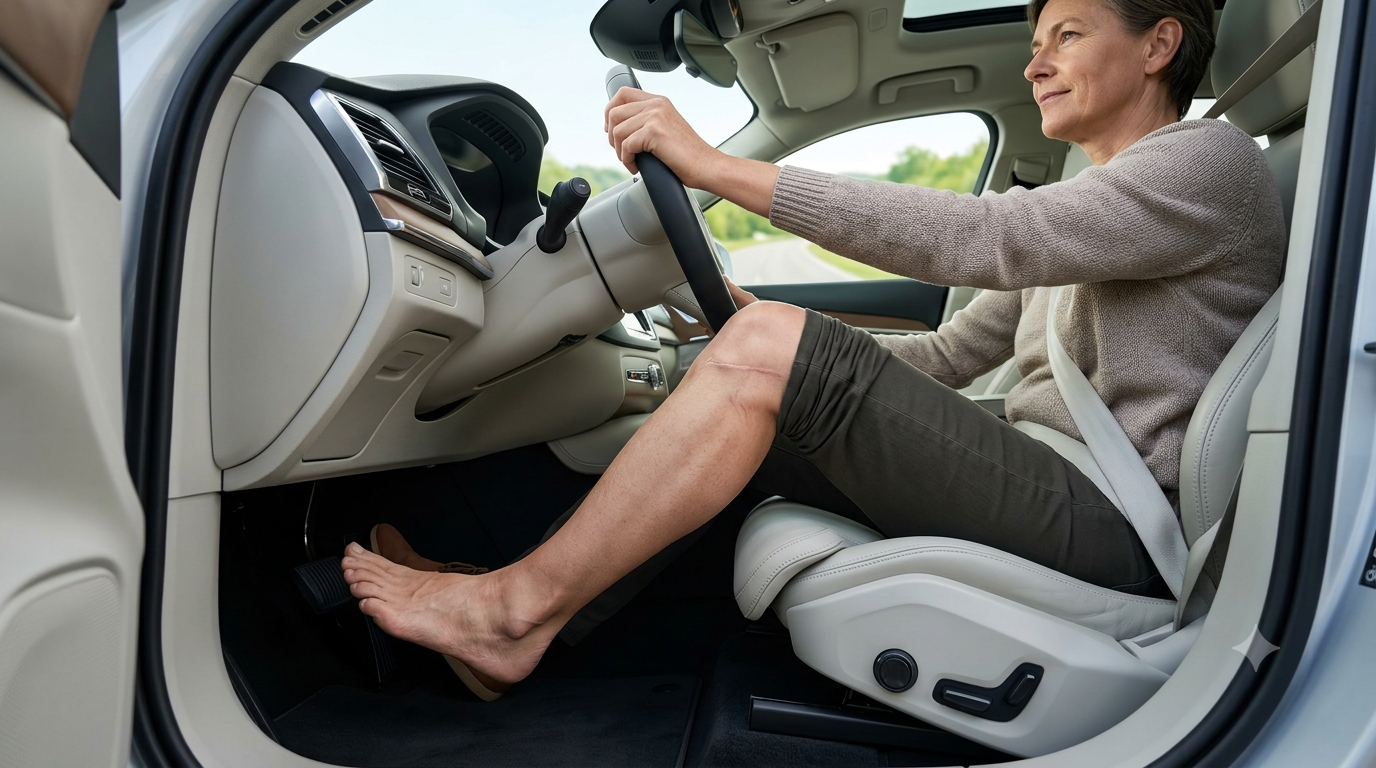
Driving
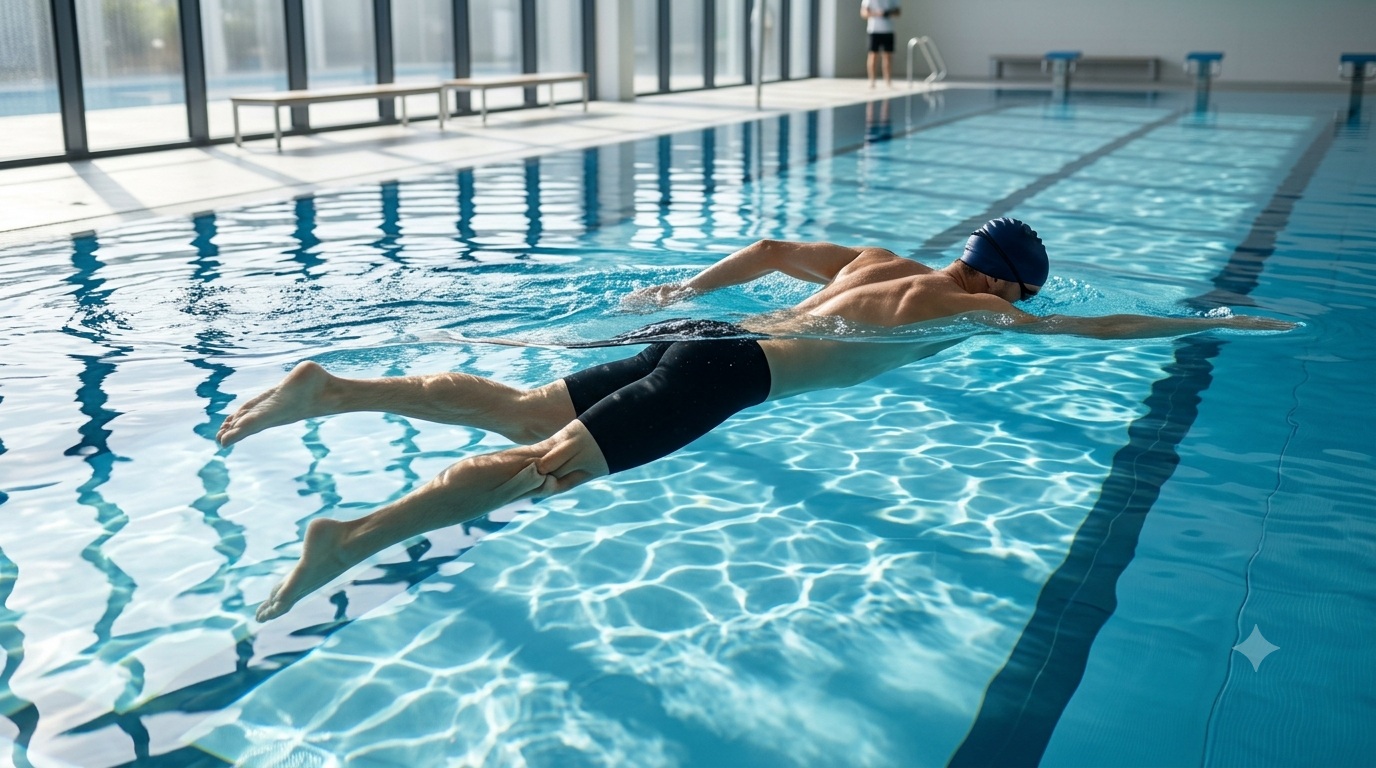
Swimming
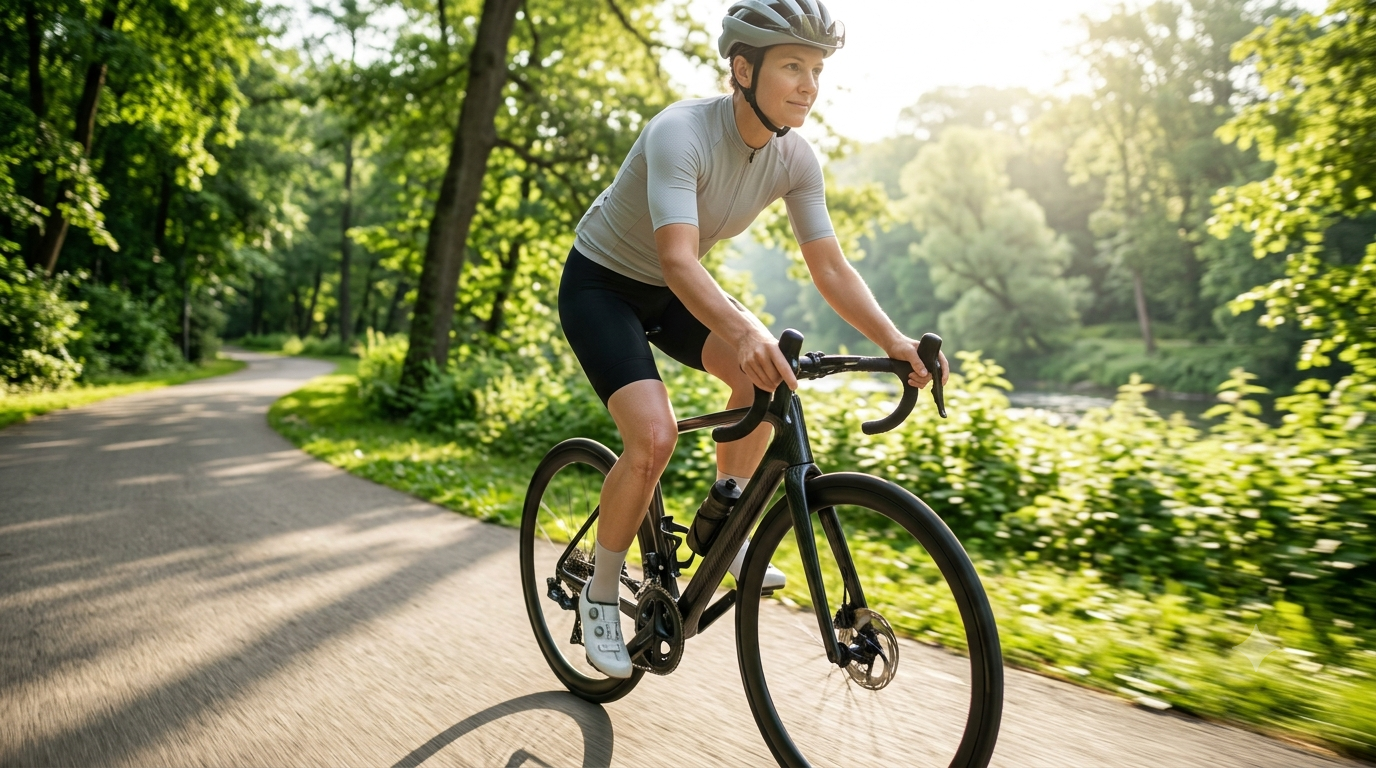
Cycling
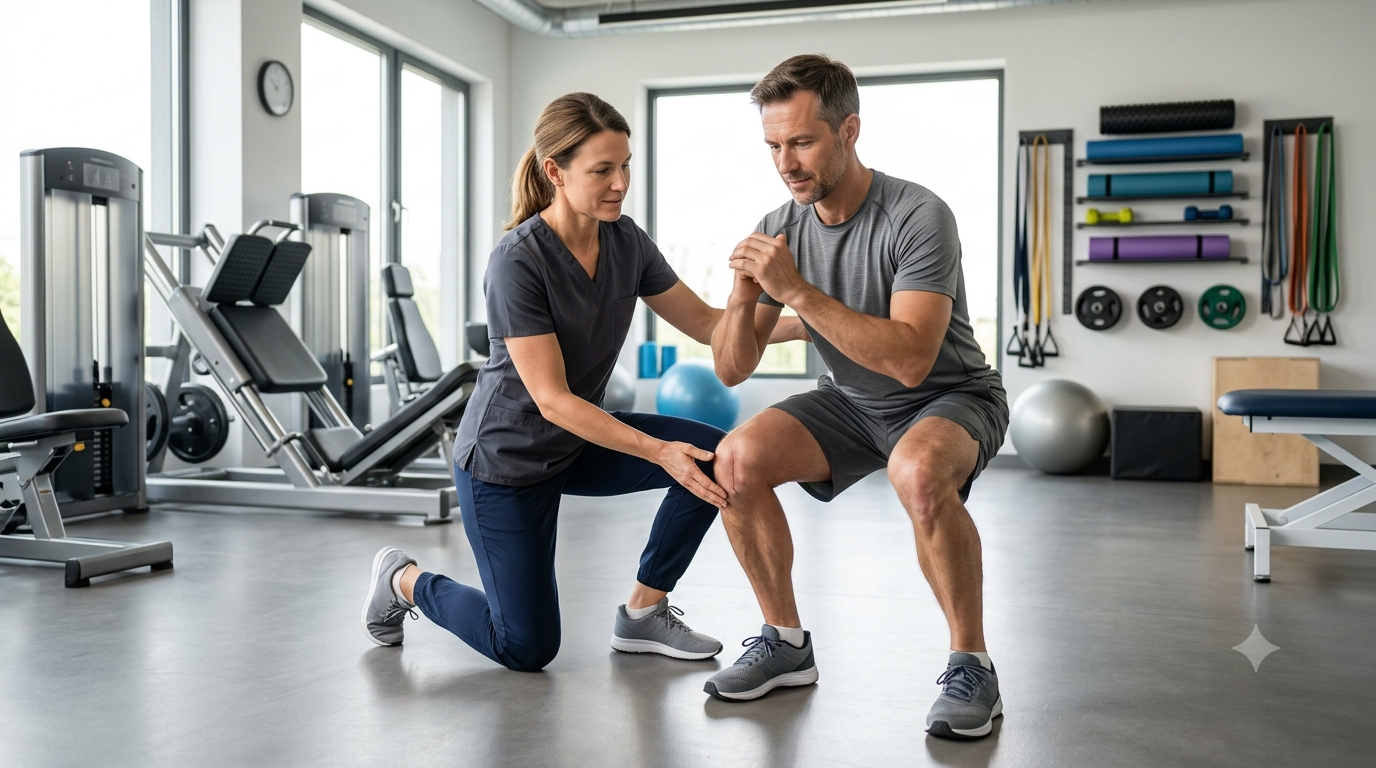
Gym / Squats
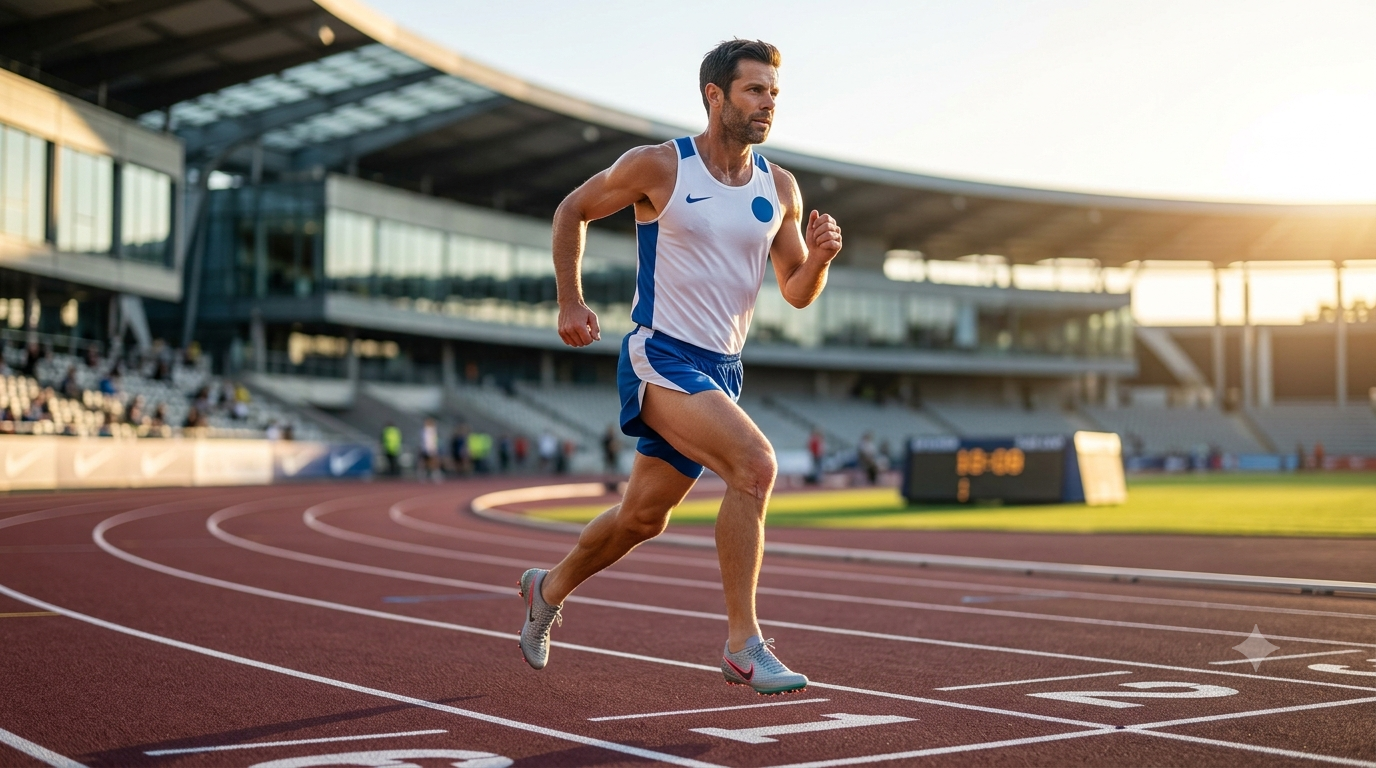
Running
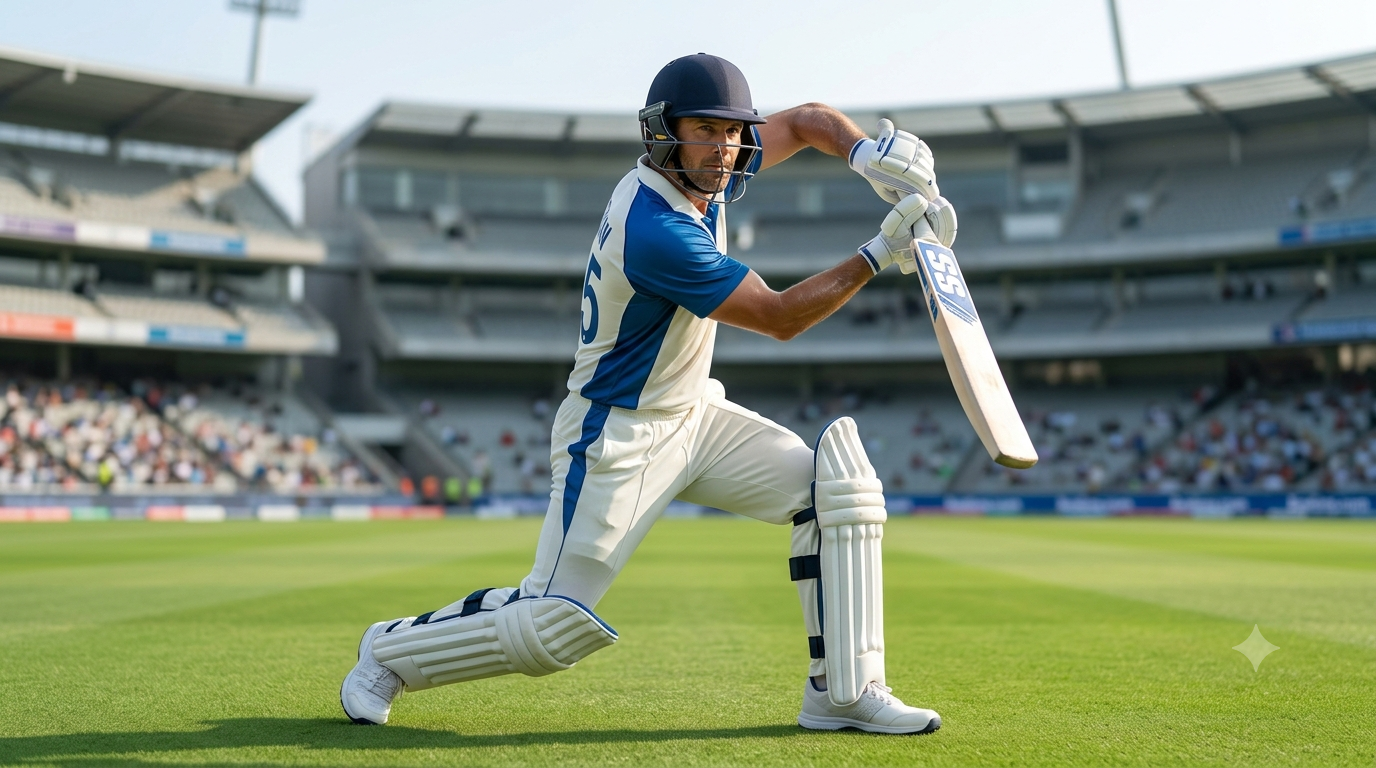
Cricket
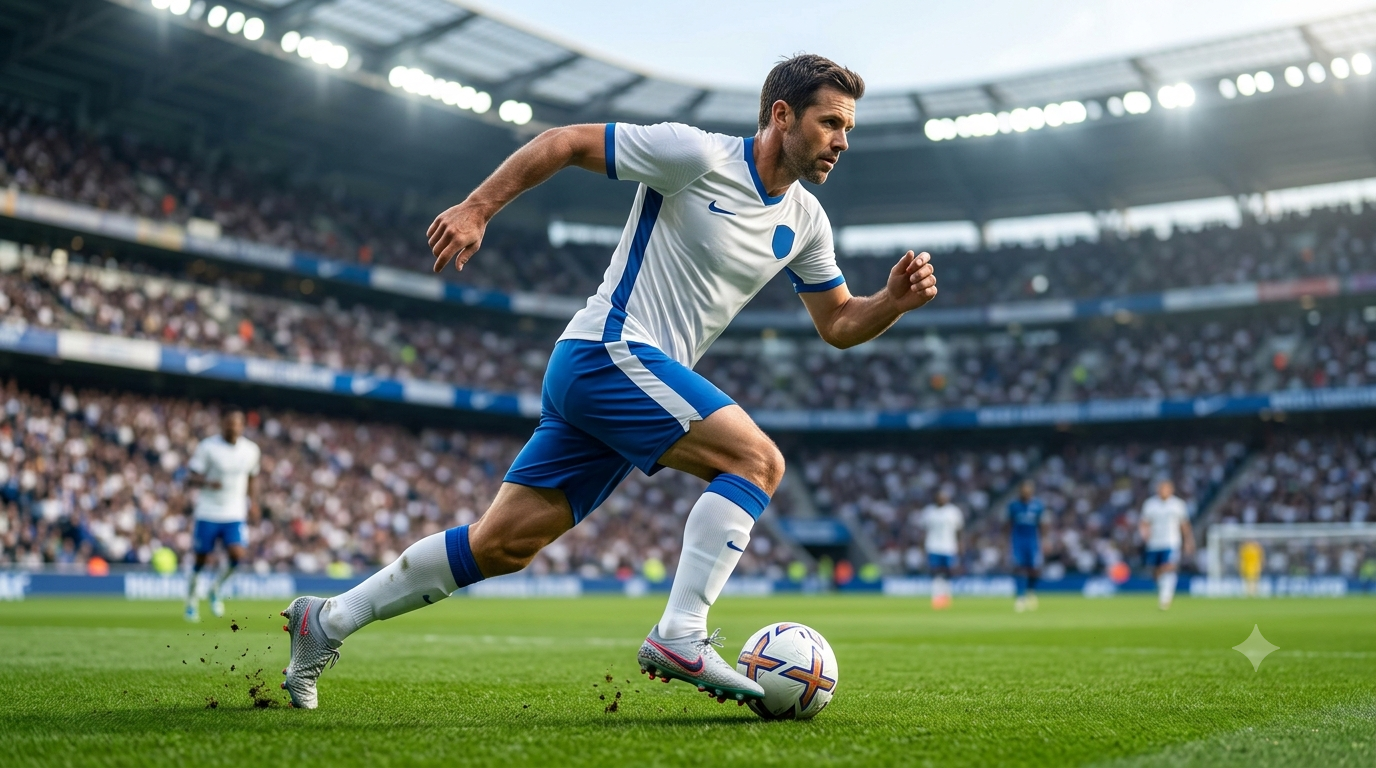
Football
Risks and Honest Expectations
Like any surgery, ACL reconstruction carries risks. Most patients recover well, but outcomes depend on patient factors, surgical planning, and rehabilitation.
- Infection
- Re-tear of the graft
- Stiffness
- Cyclops lesion
- Deep vein thrombosis (DVT)
- Persistent instability
Why Choose Dr. Tanveer Bhutani?
Careful Examination
Individualised Graft Selection
Associated Injury Treatment
Associated Injury Treatment
Related Pages
Frequently Asked Questions
There is no single ‘best’ graft. Hamstring, BTB, quadriceps tendon and allograft each have advantages and trade-offs; the right choice depends on your age, sport and anatomy.
Internal bracing is a useful adjunct in selected situations, such as revision surgery or high-demand athletes, rather than a universal upgrade needed by every patient.
Instability and associated meniscus or cartilage damage are known risk factors for early arthritis. Timely, appropriately planned treatment helps reduce — though not eliminate — this risk.
This depends on how physically demanding your job is. Desk-based work may resume within 1–2 weeks; physically demanding jobs take longer.
Is Knee Instability Limiting Your Life?
Send Message
Consult our specialists for accurate diagnosis and effective treatment solutions.