Subacromial Decompression Surgery in Ludhiana

Arthroscopic Treatment for Shoulder Impingement & Acromial Spur
Persistent shoulder pain when lifting your arm overhead may be caused by shoulder impingement. At Eva Hospital, Dr. Tanveer Bhutani performs advanced arthroscopic subacromial decompression when non-surgical treatment has failed, helping patients return to work, sports and everyday activities with less pain.

What Is Shoulder Impingement?

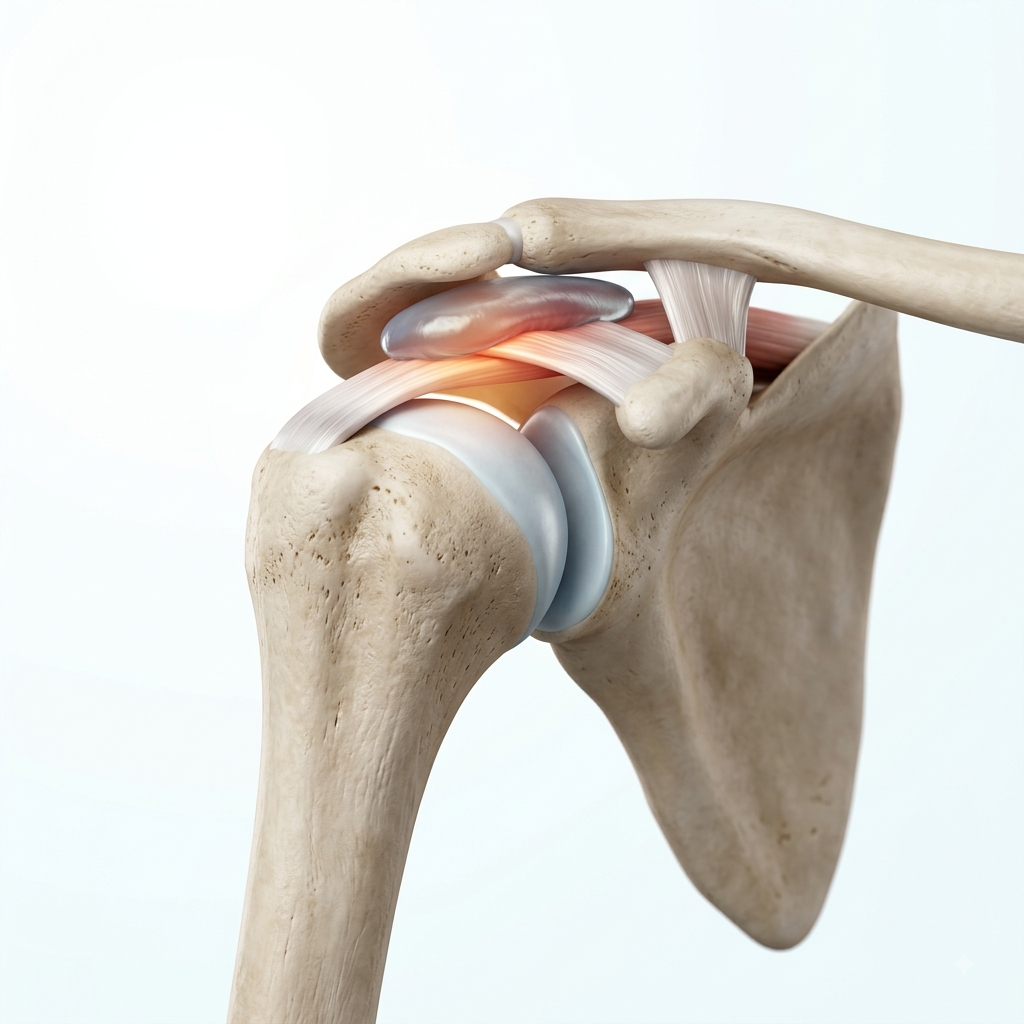
Shoulder impingement happens when soft tissues inside the shoulder — mainly the rotator cuff tendons and a small fluid-filled cushion called the bursa — become irritated and inflamed as they repeatedly rub against the underside of a bone called the acromion.

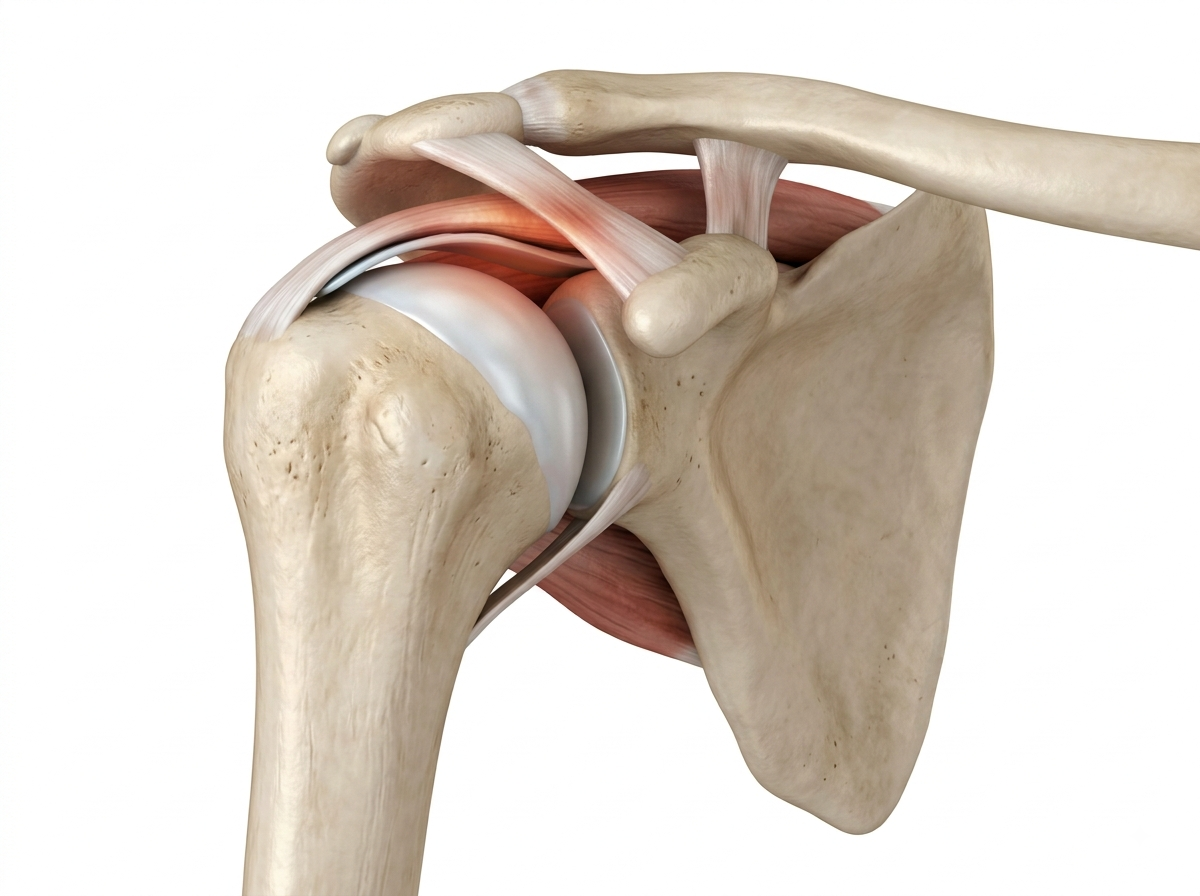
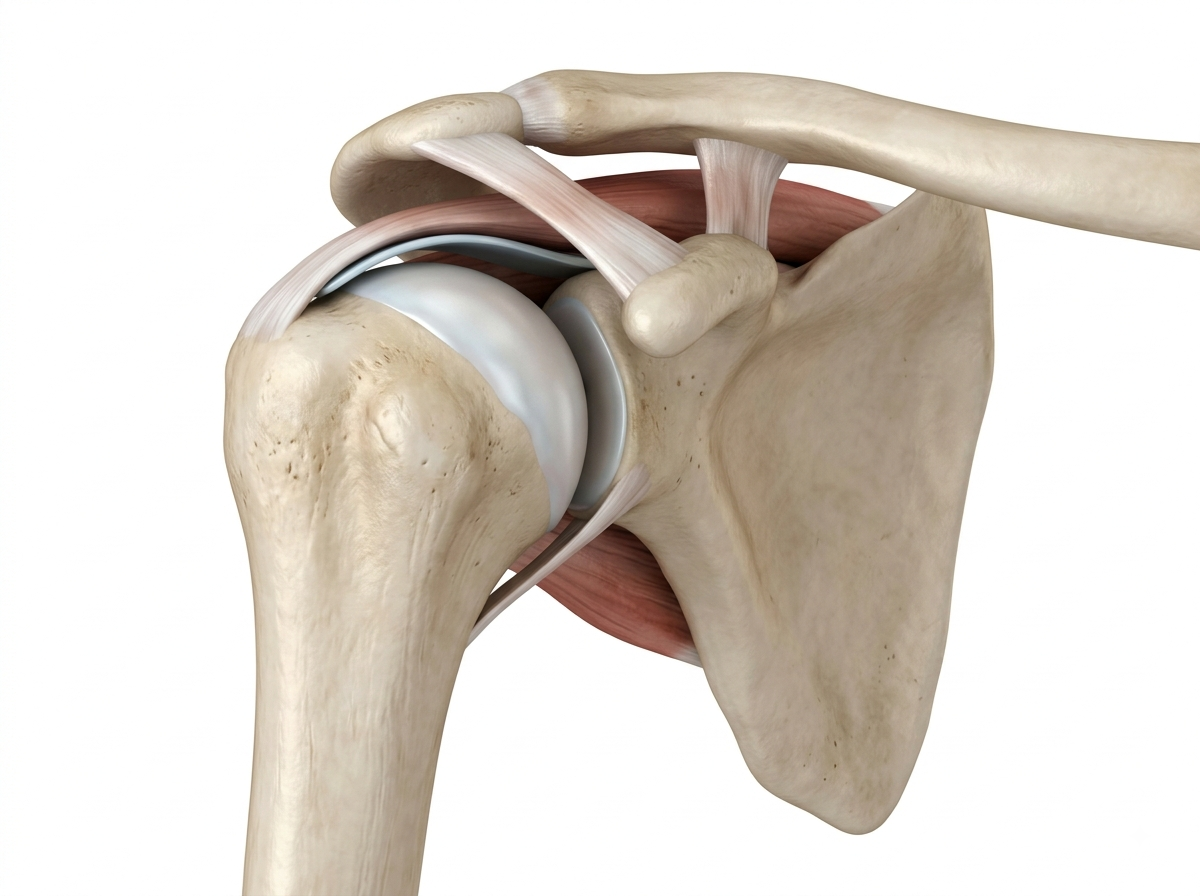
Between the top of the arm bone (humeral head) and the acromion sits a narrow space called the subacromial space. The rotator cuff and bursa pass through this space every time you lift your arm. When that space becomes too tight, or the tissues within it swell, every overhead movement causes friction, irritation and pain.

It’s important to understand this is not just a “bone spur” problem. Impingement usually involves a combination of factors — inflammation of the bursa, degeneration or swelling of the rotator cuff tendons, and sometimes (though not always) a curved or spurred acromion — all narrowing that same small space and causing repeated rubbing with movement.

Pain develops because these irritated tissues become increasingly sensitive, so the same overhead movements that were once effortless become progressively more painful.

Repeated dislocations can cause progressively greater damage to the joint, including injury to the glenoid bone and humeral head.

Normal Shoulder vs Impingement Shoulder
Symptoms of Shoulder Impingement

Pain characteristically occurs during specific movements:

Reaching overhead

Wearing a shirt

Combing hair

Lifting a suitcase

Sleeping on the affected shoulder

Gym exercises

Throwing sports

Common Causes

Curved Acromion

Certain naturally occurring acromion shapes leave less room in the subacromial space.

Acromial Spur

A bony outgrowth on the underside of the acromion that further narrows the space.

Bursitis

Inflammation and swelling of the bursa, the cushioning sac beneath the acromion.

Repetitive Overhead Work

Occupations involving frequent overhead reaching or lifting.

Sports

Throwing, swimming, badminton and other overhead sports place repeated stress on the space.

Rotator Cuff Degeneration

Age-related tendon changes can thicken or weaken the cuff, altering how it moves through the space.

Poor Posture

Rounded shoulders and a forward head posture can subtly reduce the available space.

Shoulder Instability

Subtle instability can alter normal shoulder mechanics and contribute to impingement.

Muscle Imbalance

Weak scapular stabilisers can change how the shoulder blade and arm bone move together.

Is Surgery Always Needed?

Most patients improve without surgery
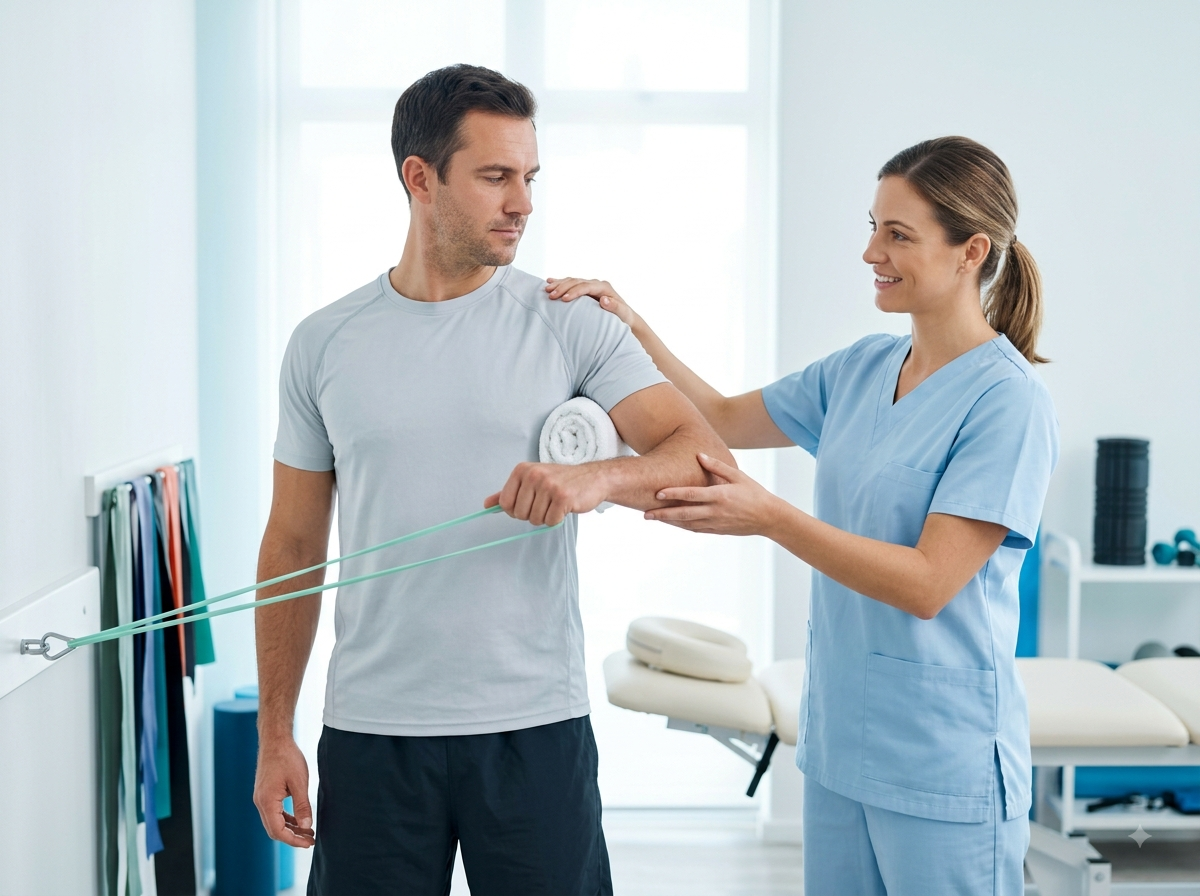
Most patients improve with physiotherapy, activity modification, anti-inflammatory medicines, injections and strengthening exercises. Only persistent symptoms after an adequate trial of conservative management, together with clinical examination and imaging findings, may justify surgery. The benefit of isolated decompression is selective, and surgery is often combined with treatment of associated pathology such as rotator cuff disease when indicated.

When Do We Recommend Surgery?

Persistent pain

Supportive MRI findings

Pain affecting work

Failed physiotherapy

Night pain

Sports limitation

Clinical impingement on examination

Rotator cuff involvement

What Happens During Arthroscopic Surgery?

01

Camera Enters Shoulder

A small arthroscope is introduced through a keyhole incision to provide a clear view inside the shoulder.

02

Inspection

The subacromial space, bursa and surrounding structures are carefully examined directly using the arthroscope.

03

Assessment of Cuff

The rotator cuff tendons are assessed for inflammation, degeneration, partial damage or a complete tear.

04

Bursectomy

Inflamed or excess bursal tissue may be removed to reduce irritation and create more space around the tendons.

05

Removal of Spur

A bone spur may be removed when it is contributing to mechanical impingement or irritation of the rotator cuff.

06

Acromioplasty

The acromion may be reshaped when clinically indicated. It is not performed routinely in every shoulder procedure.

07

Rotator Cuff Repair

If a repairable rotator cuff tear is identified, the tendon can be repaired during the same surgical procedure.

Does Every Patient Need Bone Removal?

Some Require Acromioplasty

Reserved for cases where a spur or acromion shape is clearly contributing to the impingement.

Some Require Cuff Repair

When a repairable rotator cuff tear is identified alongside the impingement.

Treatment Is Individualized

The plan is matched to what is actually found in your shoulder, not applied as a routine template.

Recovery Timeline

01
Day 1
Pain Control

Medication, ice and rest help manage pain and swelling during the first day after surgery.

02
Week 1
Start Movement

Gentle, guided movement begins under professional supervision while protecting the healing shoulder.

03
2–6 Weeks
Daily Activities

Most everyday, non-strenuous activities gradually become manageable as movement and comfort improve.

04
6–12 Weeks
Strengthening

A structured strengthening programme is introduced to improve shoulder stability, control and function.

05
3–6 Months
Sports

Return to sport is guided by strength, functional recovery and the physical demands of the individual sport.

Physiotherapy

Range of Motion

Restoring full, comfortable shoulder movement.

Scapular Control

Retraining how the shoulder blade moves and stabilises the joint.

Rotator Cuff Strengthening

Progressive loading to rebuild tendon strength and endurance.

Posture Correction

Addressing the postural patterns that can contribute to impingement.

Stretching

Maintaining flexibility without overstressing healing tissue.

Return to Sports

Structured, criteria-based progression back to sport-specific movement.

Why Choose Eva Hospital?

ECHS empanelled

Sports injury expertise

Structured rehabilitation

Individualized treatment

NABH accredited hospital

Arthroscopic shoulder specialist

Modern arthroscopy equipment

Honest advice regarding whether surgery is necessary

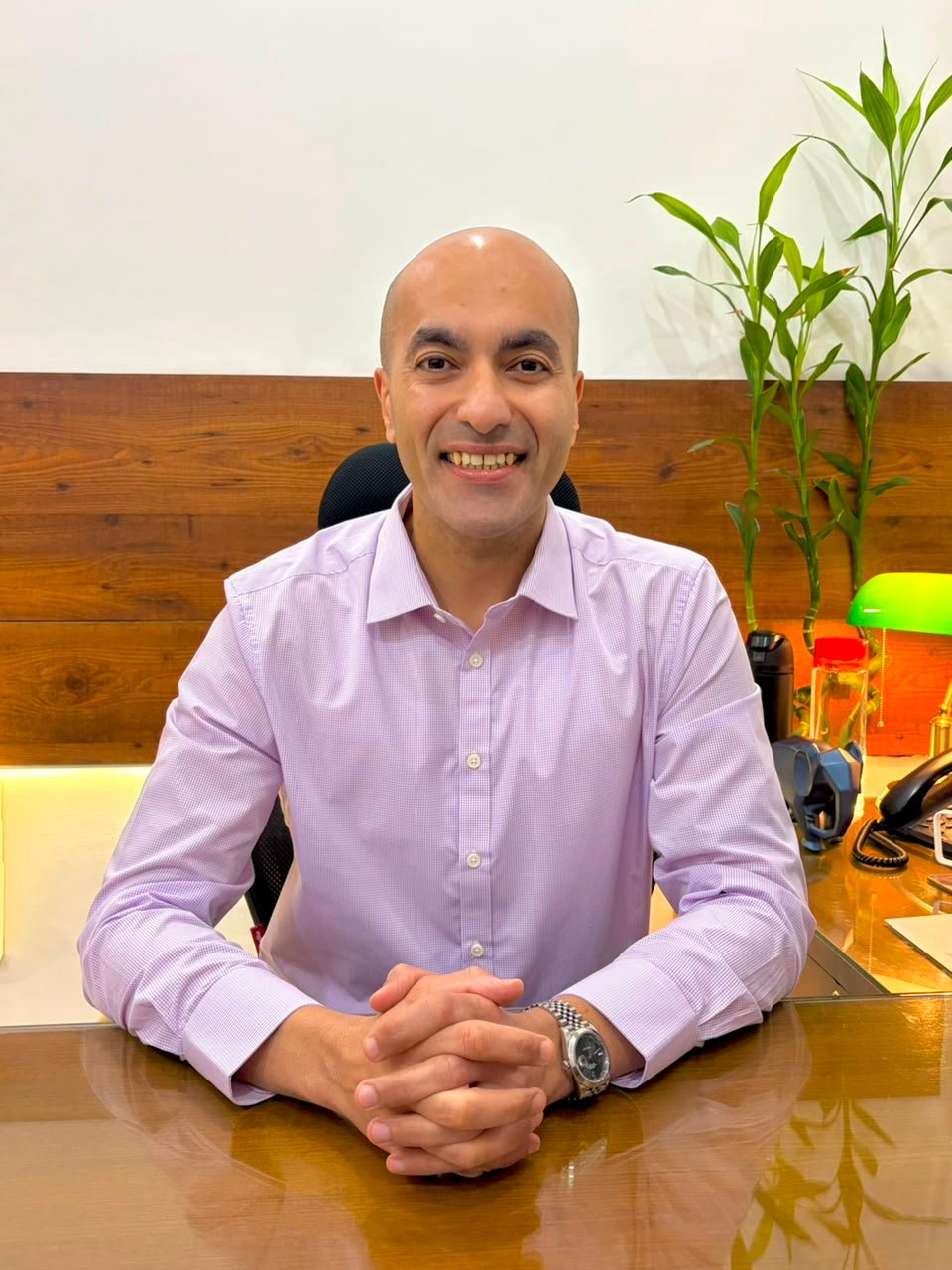
Dr. Tanveer Bhutani

Dr. Tanveer Bhutani treats shoulder impingement, bursitis and associated rotator cuff pathology at Eva Hospital, Ludhiana, using shoulder arthroscopy when conservative treatment has genuinely failed. Treatment is individualized to what is found in each shoulder, rather than following a fixed surgical template.

Dr. Tanveer Bhutani - Best Orthopedic Doctor in Ludhiana, punjab
Explore further

Related Shoulder Treatments

Shoulder Arthroscopy

The keyhole technique used for decompression.

Rotator Cuff Repair

Often treated in the same sitting as decompression.

Frozen Shoulder Treatment

A different cause of shoulder stiffness and pain.

Bankart Repair

Treatment for recurrent shoulder dislocation.

Sports Injuries

Our full sports medicine service.

Best Orthopedic Doctor

About Dr. Tanveer Bhutani's practice.

Shoulder Replacement

For advanced shoulder arthritis only.

Frequently Asked Questions

Shoulder impingement occurs when the rotator cuff tendons and bursa become irritated as they repeatedly rub against the underside of the acromion within the narrow subacromial space, typically during overhead movement.
No. Impingement causes pain with specific movements, especially overhead, while range of motion is generally preserved. Frozen shoulder causes global stiffness restricting movement in every direction, including when an examiner moves the arm.
Physiotherapy is effective for many patients, improving strength, posture and shoulder mechanics enough to resolve symptoms without surgery.
No. Most patients improve with physiotherapy, activity modification, medication, injections and strengthening exercises. Surgery is considered only after an adequate trial of conservative treatment has failed.
Postoperative discomfort is expected and managed with pain medication; most patients find the discomfort manageable and improving within the first couple of weeks.
This depends on what was found and treated during surgery — a decompression alone typically recovers faster than a decompression combined with a rotator cuff repair, which requires a longer, more protected timeline.
Driving should resume only once you have regained enough painless movement and control to operate a vehicle safely.
Desk-based work is often possible within a couple of weeks; physically demanding or overhead work takes longer and depends on what was treated during surgery.
Overhead sports like badminton are reintroduced gradually, generally in the 3–6 month range, guided by strength, function and confidence rather than a fixed date.
Recurrence is possible, particularly if underlying contributing factors — such as posture, muscle imbalance or overhead workload — are not addressed through rehabilitation.
A removed spur does not typically regrow to a clinically significant degree, though this is not guaranteed for every patient.
MRI is useful for confirming the diagnosis, assessing the rotator cuff, and planning surgery when conservative treatment has failed, though not every patient with impingement symptoms requires one immediately.
Sleeping on the affected shoulder is often uncomfortable both before and immediately after surgery; many patients find it more comfortable to sleep on the other side or propped up during recovery.
Yes. Physiotherapy is a central part of both non-surgical treatment and postoperative recovery, and strongly influences the final outcome.
Long-standing, untreated impingement can contribute to progressive wear of the rotator cuff tendons over time, which is one reason persistent symptoms are worth assessing properly rather than ignoring.

Painful When You Lift Your Arm Overhead?

Book a consultation with Dr. Tanveer Bhutani at Eva Hospital, Ludhiana, for an honest assessment of whether physiotherapy or surgery is right for your shoulder.
Hip Replacement

Send Message

Consult our specialists for accurate diagnosis and effective treatment solutions.

pop up