
Orthopedics · Eva Hospital, Ludhiana

Joint Replacement Surgery in Ludhiana, Punjab

Joint replacement surgery at Eva Hospital, Ludhiana is provided by the Orthopaedics Department for knee, hip and revision joint conditions.

Every patient is evaluated individually with clinical examination, X-rays, functional assessment, and medical fitness review before any decision on surgery is made.

orthopedic department eva hospital
NABH Accredited
ECHS Empanelled
Robotic Knee Replacement Technology
Surgeon-Led Care
24/7 Emergency Support
NABH Accredited
ECHS Empanelled
Robotic Knee Replacement Technology
Surgeon-Led Care
24/7 Emergency Support

Overview

Joint Replacement at Eva Hospital

The aim of joint replacement is to reduce pain, improve mobility and correct deformity where needed. Results vary from patient to patient.

At Eva Hospital, every patient is evaluated individually with clinical examination, X-rays, functional assessment, medical fitness review, and a clear discussion of whether surgery is truly required.

For suitable patients, surgical planning, implants, robotic-assisted technology for knee replacement, pain-control protocols, early mobilisation and structured physiotherapy are used.

Our Doctor

Details of registered medical practitioners at Eva Hospital, Ludhiana, provided for patient information.

Dr. Tanveer Bhutani

Consultant Orthopaedic Surgeon

Qualifications
MBBS, MS (Orthopaedics), M.Ch (Orthopaedics) (UK)
Department
Orthopaedics
Registration status
Registered
Registration No. (NMR/SMR)
[ENTER NMR / SMR NUMBER]
Registered with
[ENTER STATE MEDICAL COUNCIL NAME]
Availability
[ENTER OPD DAYS AND TIMINGS]

Registration can be verified on the NMC website.
When Should You Consider Joint Replacement?

Joint replacement may be considered when joint damage has become severe and non-surgical treatment is no longer giving enough relief. Common signs include:

Surgery is not advised only on the basis of an X-ray. The decision should match the patient’s pain, function, clinical examination, lifestyle limitation, medical fitness, and expectations.

Conditions That May Lead to Joint Replacement

Underlying Causes

What We Offer

Types of Joint Replacement Surgeries Offered

Eva Hospital provides evaluation and treatment for different types of joint problems, including:

Knee Replacement Surgery

For patients with severe knee arthritis, deformity, stiffness, night pain, and difficulty walking. In suitable cases, robotic-assisted knee replacement may be considered. Suitability is decided by the treating surgeon.

Hip Replacement Surgery

For patients with advanced hip arthritis, avascular necrosis, fracture-related hip damage, or severe pain that affects walking, sitting, standing, or daily activity.

Revision Joint Replacement

For patients who have already undergone a previous knee or hip replacement and are now facing implant loosening, instability, infection, wear, stiffness, or persistent pain.

Shoulder & Other Joint Replacement

In selected patients with advanced joint damage, shoulder replacement or other joint replacement options may be considered after detailed evaluation.
Johnson & Johnson VELYS™ Robotic-Assisted Solution
Technology

Robotic-Assisted Knee Replacement at Eva Hospital

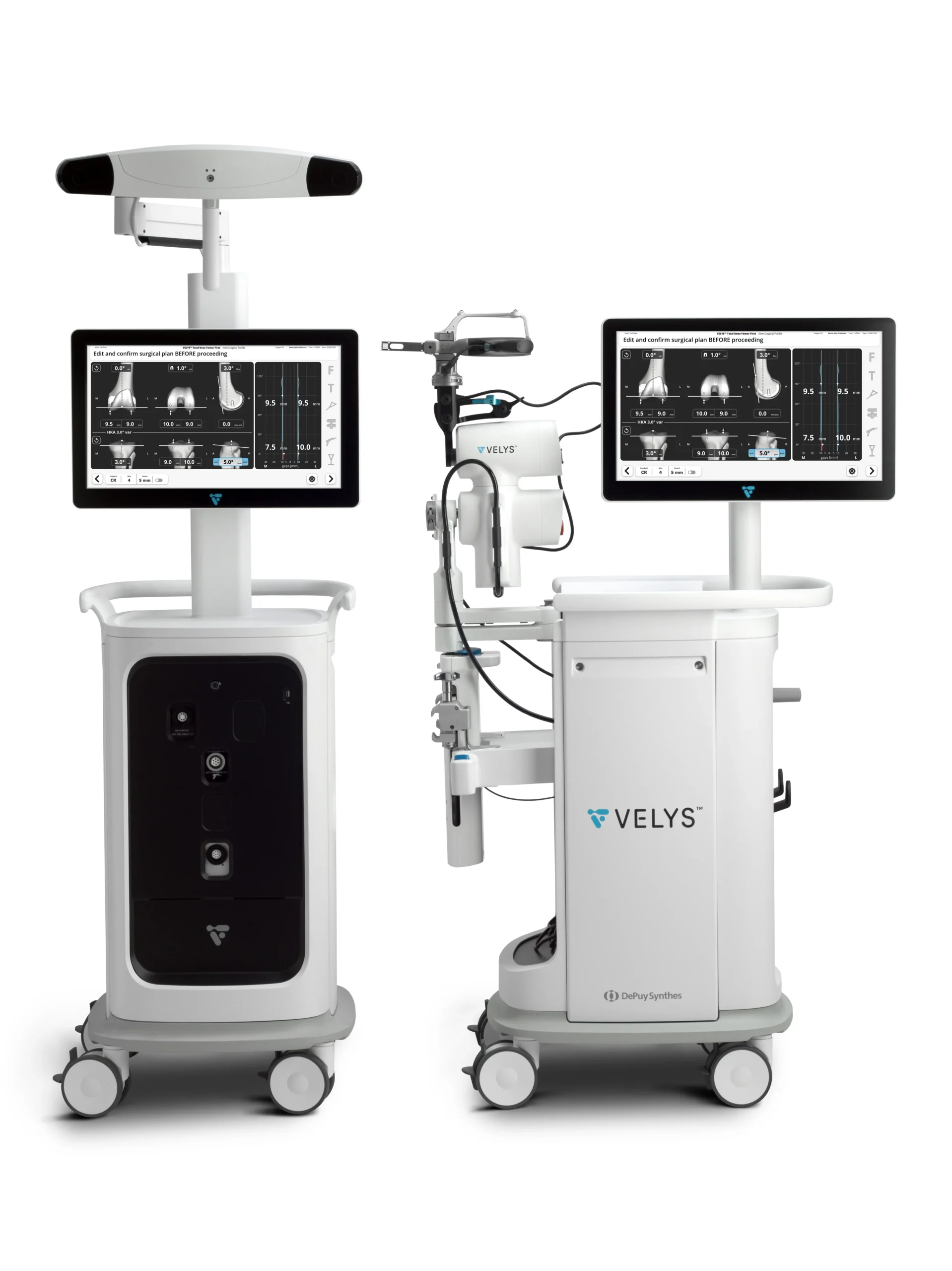
For patients with advanced knee arthritis, robotic-assisted knee replacement may be considered when it is clinically appropriate. At Eva Hospital, robotic knee replacement is performed using the Johnson & Johnson VELYS™ Robotic-Assisted Solution.

The robotic system helps the surgeon assess the patient’s knee anatomy, alignment, deformity, bone cuts, implant positioning, and ligament balance during surgery. The surgeon remains in control of the procedure.

Robotic knee replacement is not required for every patient. The treating surgeon advises it only after evaluating the patient’s symptoms, X-rays, deformity, mobility, expectations, and medical condition.

Hip Replacement

Hip Replacement Surgery

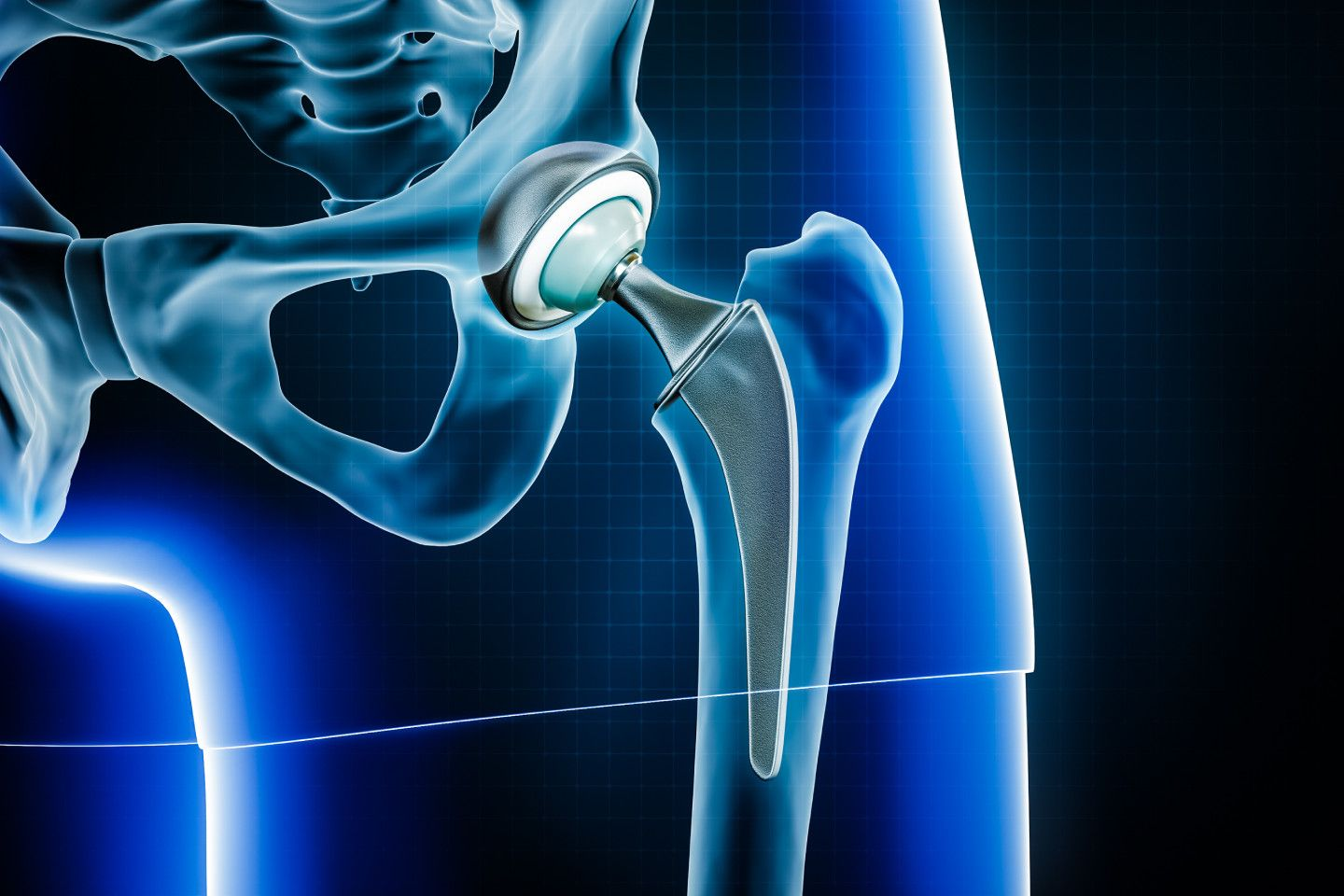
Hip replacement is considered for patients with advanced hip arthritis, avascular necrosis, or fracture-related hip damage, when pain and stiffness significantly affect walking, sitting, standing, or daily activity.

The damaged hip joint surfaces are replaced with an artificial implant, chosen and positioned based on the patient’s bone quality, activity level, and anatomy, with the goal of reducing pain and improving movement. Outcomes vary.

Disclaimer: Images are AI-generated for illustrative purposes only.
 

When a Previous Implant Fails

Revision Joint Replacement

Revision joint replacement is surgery performed when a previous knee or hip replacement has developed a problem such as implant loosening, instability, infection, wear, stiffness, or persistent pain.   Revision surgery is more complex than a first-time joint replacement and requires careful evaluation of the cause of failure, bone quality, and implant options before planning the procedure.

Assessment Process

How a Patient Is Evaluated for Joint Replacement

The final decision is made jointly with the patient —the treating surgeon explains the findings, the available options, and the expected outcomes of each, so the patient can decide with a clear understanding of what surgery would and would not change.

Timing the Decision

Can Joint Replacement Be Delayed?

Not every arthritic joint needs immediate surgery. In early or moderate stages, symptoms can often be managed for a period of time with:

regular review with an orthopaedic doctor is recommendedThese measures can reduce pain and preserve function for some time. However, prolonged delay in an advanced, deforming, or rapidly worsening joint can allow deformity, stiffness, and muscle weakness to progress — regular review with an orthopaedic doctor is recommended.

Our Doctor

Details of registered medical practitioners at Eva Hospital, Ludhiana, provided for patient information.

Dr. Tanveer Bhutani

Consultant Orthopaedic Surgeon

Qualifications
MBBS, MS (Orthopaedics), M.Ch (Orthopaedics) (UK)
Department
Orthopaedics
Registration status
Registered
Registration No. (NMR/SMR)
[ENTER NMR / SMR NUMBER]
Registered with
[ENTER STATE MEDICAL COUNCIL NAME]
Availability
[ENTER OPD DAYS AND TIMINGS]

Registration can be verified on the NMC website.
The Surgical Journey

What Happens Before, During and After Surgery?

Before Surgery

Before Surgery

Medical fitness assessment, blood and imaging investigations, medication review, and anaesthesia evaluation. The patient and family are counselled on the planned procedure, expected hospital stay, and precautions.The patient and family are also counselled about the expected hospital stay, pain control, walking after surgery, physiotherapy, wound care, precautions, and recovery milestones.
During Surgery

During Surgery

Under appropriate anaesthesia, the surgeon performs the surgical approach, prepares and positions the implant, and checks alignment and joint stability before closing.
After Surgery

After Surgery

Pain control, blood-clot prevention, early mobilisation, physiotherapy, wound care, and a planned discharge with clear follow-up instructions.Physiotherapy, pain control, swelling management, wound care, and regular follow-up are important parts of recovery. aims to help the patient return to daily activities. Recovery varies from patient to patient.
Recovery & Rehabilitation

Recovery & Rehabilitation

Many patients are supported to stand and take assisted steps early after knee or hip replacement, under supervision. Physiotherapy is introduced progressively, along with a walker or walking aid as needed, before advancing to stairs and unassisted walking.Return to routine daily activities happens gradually, with regular follow-up visits to track progress. The exact pace of recovery varies from patient to patient depending on age, muscle strength, medical condition, and adherence to rehabilitation.
Hospital Stay & Follow-Up

Hospital Stay & Follow-Up

The length of hospital stay depends on the procedure and the patient's recovery. Before discharge, the physiotherapy team reviews walking safety, wound status, and pain control.Follow-up visits are scheduled to monitor healing, adjust physiotherapy, and address any concerns during the recovery period. Physiotherapy, pain control, swelling management, wound care, and regular follow-up are important parts of recovery. The aim is to help the patient return to daily activities safely and confidently.
Disclaimer: Images are AI-generated for illustrative purposes only.
 

Being Honest

Risks and Safety Measures

Like any surgery, joint replacement carries risks such as infection, blood clots, stiffness, implant loosening, or the need for further procedures. These risks are discussed openly with every patient before surgery.

Eva Hospital follows structured protocols for infection control, blood clot (DVT) prevention, pain management, and early mobilization to help reduce these risks and support a safer recovery.

Risks and Safety Measures
Why EVA Hospital

Facilities / Facilities and Accreditation

Individual Clinical Evaluation

ECHS Empanelled

Robotic-assisted knee replacement available

NABH-accredited

Rehabilitation and follow-up services

Cashless facility available with empanelled insurance and TPA companies.

FAQ’s

Frequently Asked Question

Pain is expected after surgery, but modern pain-control measures, medicines and physiotherapy are used to help manage it.

Joint replacement may be considered when pain, stiffness, deformity, and difficulty walking continue despite non-surgical treatment, and X-rays show advanced joint damage.

No. Robotic-assisted knee replacement can be useful in suitable patients, but it is not necessary for everyone. The decision depends on the patient’s knee condition, deformity, anatomy, and clinical requirement.

Implants can last many years, but implant life depends on age, weight, activity level, bone quality, implant positioning, surgical technique, and follow-up care.

Many patients are made to stand and walk early after surgery under supervision, depending on their medical condition and the type of procedure performed.

Revision joint replacement is surgery performed when a previous knee or hip replacement has developed a problem such as loosening, infection, instability, wear, fracture, or persistent pain.

May be considered after proper medical evaluation. Suitability is decided case by case. After proper medical evaluation, anaesthesia clearance, and peri-operative planning.

The most common joint replacements are knee and hip replacements. Shoulder and ankle replacement may be considered in selected patients.

Book a Consultation for Joint Replacement Surgery

Consult the Orthopaedics Department at Eva Hospital, Pakhowal Road, Ludhiana. Your joint is examined, X-rays are reviewed, and surgical and non-surgical options are discussed.

Send us your enquiry and our team will contact you.

Send Message

Consult our specialists for accurate diagnosis and effective treatment solutions.

pop up