
This article is published for public health education only. It is not a substitute for a medical consultation.
Introduction
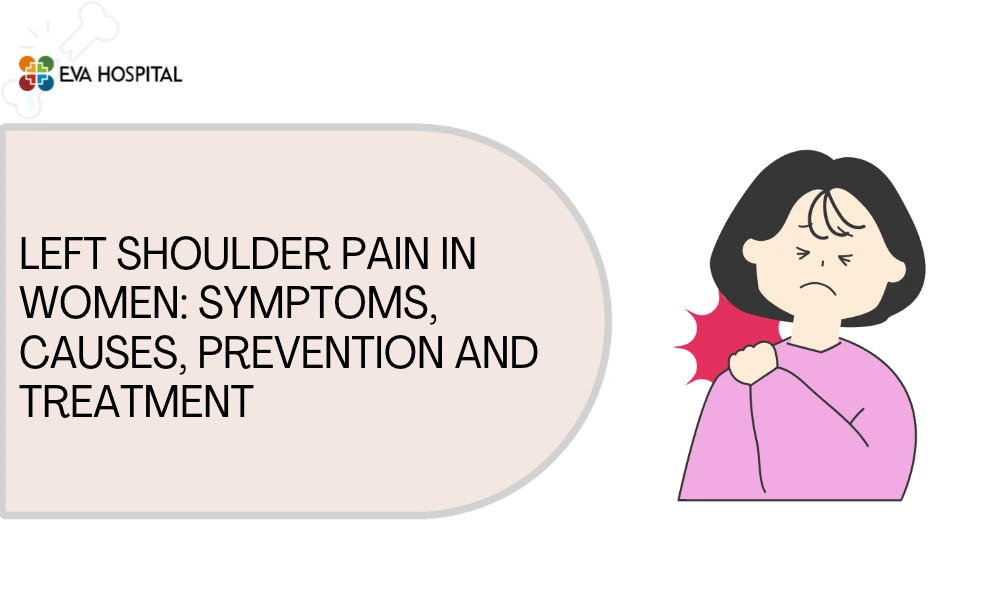
Shoulder pain is common in adults, and women may experience it at different life stages, from the working years to after menopause. Left-sided pain deserves attention because it can sometimes be a sign of a heart problem. It is important to note that pain in the left shoulder is more predominant, as it may be an indicator of a heart problem. This article lays out the common symptoms, causes, treatments and prevention.
When Left Shoulder Pain Needs Emergency Care
In women, the symptoms of a heart attack may be more subtle than the more typical crushing chest pain. If you have shoulder pain in addition to any of the following, get immediate medical attention:
- Chest pressure, tightness or discomfort
- Shortness of breath
- Sweating, nausea or vomiting
- Dizziness, fainting or unusual tiredness
- Pain spreading to the jaw, neck, back or left arm
- Severe pain after a fall or injury, or visible deformity
- Fever with a red, hot, swollen joint
Do not wait for these symptoms to settle on their own.
Common Symptoms
- Dull ache, or sharp pain when lifting the arm
- Pain that worsens at night or when lying on the affected side
- Stiffness and limited movement, such as difficulty reaching behind the back
- Weakness in the arm
- Pain travelling from the neck into the arm, with tingling or numbness
Possible Causes
Musculoskeletal causes
- Rotator cuff problems: inflammation or tears of the tendons that stabilise the shoulder, often linked to repetitive overhead activity, ageing or injury.
- Frozen shoulder: progressive pain and stiffness, reported more often in women aged roughly 40 to 60 and associated with diabetes and thyroid disorders.
- Bursitis, tendinitis and osteoarthritis: irritation or wear of the tissues around the joint.
- Poor posture and strain: prolonged desk work, heavy bags carried on one shoulder, or awkward sleeping positions.
Neck-related causes: cervical spondylosis or a pinched nerve in the neck can cause pain felt in the shoulder and arm.
Referred pain from elsewhere: heart conditions such as angina or a heart attack; lung conditions such as pneumonia or a lung clot; and abdominal conditions affecting the spleen, stomach or gallbladder.
Factors that may contribute in women: hormonal changes around menopause, thyroid disorders, diabetes and osteoporosis.
How Is the Cause Identified?
A doctor usually begins with a detailed history and examination of the shoulder, neck and chest. Depending on the findings, an X-ray, ultrasound or MRI, an ECG and cardiac tests, or blood tests (for example blood sugar and thyroid function) may be advised. Only clinically necessary tests should be done.
Treatment: General Principles
Treatment depends on the underlying cause and the individual patient, and outcomes vary from person to person.
- Treat the underlying cause: heart-related and other non-shoulder causes take priority.
- Relative rest: avoid movements that aggravate the pain without immobilising the shoulder for long, as this may increase stiffness.
- Hot or cold application: cold may help in the early phase of an injury, and warmth may ease muscle stiffness.
- Medicines: take pain-relieving or anti-inflammatory medicines only as advised by a doctor, as they are not suitable for everyone.
- Physiotherapy: guided stretching and strengthening exercises are a standard part of care for many shoulder conditions.
- Injections or surgery: considered only in selected cases after proper evaluation.
Prevention and Self-Care
- Maintain good posture, with the screen at eye level and shoulders relaxed.
- Take short breaks every 30 to 45 minutes of desk work to stretch the neck and shoulders.
- Avoid carrying heavy bags on one shoulder.
- Warm up before exercise and increase intensity gradually.
- Keep diabetes and thyroid conditions well controlled, if present.
- Ensure adequate calcium and vitamin D intake and discuss bone health with a doctor, particularly after menopause.
- Choose a comfortable sleeping position and a supportive pillow.
- Lift objects by bending the knees and keeping the load close to the body.
- Follow a doctor-approved exercise routine that includes shoulder mobility and strengthening.
When Should You See a Doctor?
Consult a registered medical practitioner if pain lasts more than a couple of weeks, keeps returning, disturbs sleep or daily activities, comes with progressive stiffness, weakness or numbness, or if you are unsure whether it could be related to the heart.
Do not ignore recurring or persistent pain. Early evaluation is generally better than prolonged self-medication, and it helps identify the cause before it progresses.
Frequently Asked Questions
Is left shoulder pain always a sign of a heart attack?
No. Shoulder pain is usually due to muscles, tendons or joints. But any pain that occurs with chest pain, a feeling of breathlessness, sweating or nausea will need to be treated as an emergency.
Can poor posture cause left shoulder pain?
Yes. Sitting in a poor posture for long periods can put strain on the neck and shoulder muscles and joints and is a very common cause.
Can exercises help?
Many musculoskeletal issues are managed with specific exercises prescribed by a physiotherapist or doctor. Exercises should correspond to the diagnosis.
Is shoulder pain normal after menopause?
Joint and muscle complaints are reported more often around menopause, but new or persistent pain should still be evaluated rather than assumed to be age-related.
Conclusion
Whether the pain is insignificant and dull or sharp and severe, the reasons behind left shoulder pain in women are varied. From strain to more pressing health conditions, awareness of signs, healthy daily choices, and professional review is how to save shoulders and health.
Disclaimer: This article is for general health information only and it is not to be taken as medical advice, diagnosis or treatment. This article does not promote any individual practitioner, institution, product or service. It is recommended that you consult a registered medical practitioner for assessment of your current condition.