
During pregnancy, all eyes focus on what you eat. It is very common for pregnant women to feel anxious about eating even normal vegetables. Brinjal or eggplant is one usual vegetable on which many opinions turn.
Whether you should or should not eat it, I ask here whether it is safe in pregnancy, what its pros and cons are, how much you should eat, and how healthy it is, just in a simple, practical need-to-know manner.
My aim is to give you information that is simple, trustworthy, and to the point, so that you are assured of what you are eating without any confusing fear.
Introduction
Hi there to my all readers, this is Dr Shivani Bhutani this side a well known gynaecologist. According to me When you are pregnant, your food choices are more deliberate, as all that you consume is benefiting you and your baby at the same time. The only downside to pregnancy is that perhaps more myths and food advice from family members, which often complicates things further.
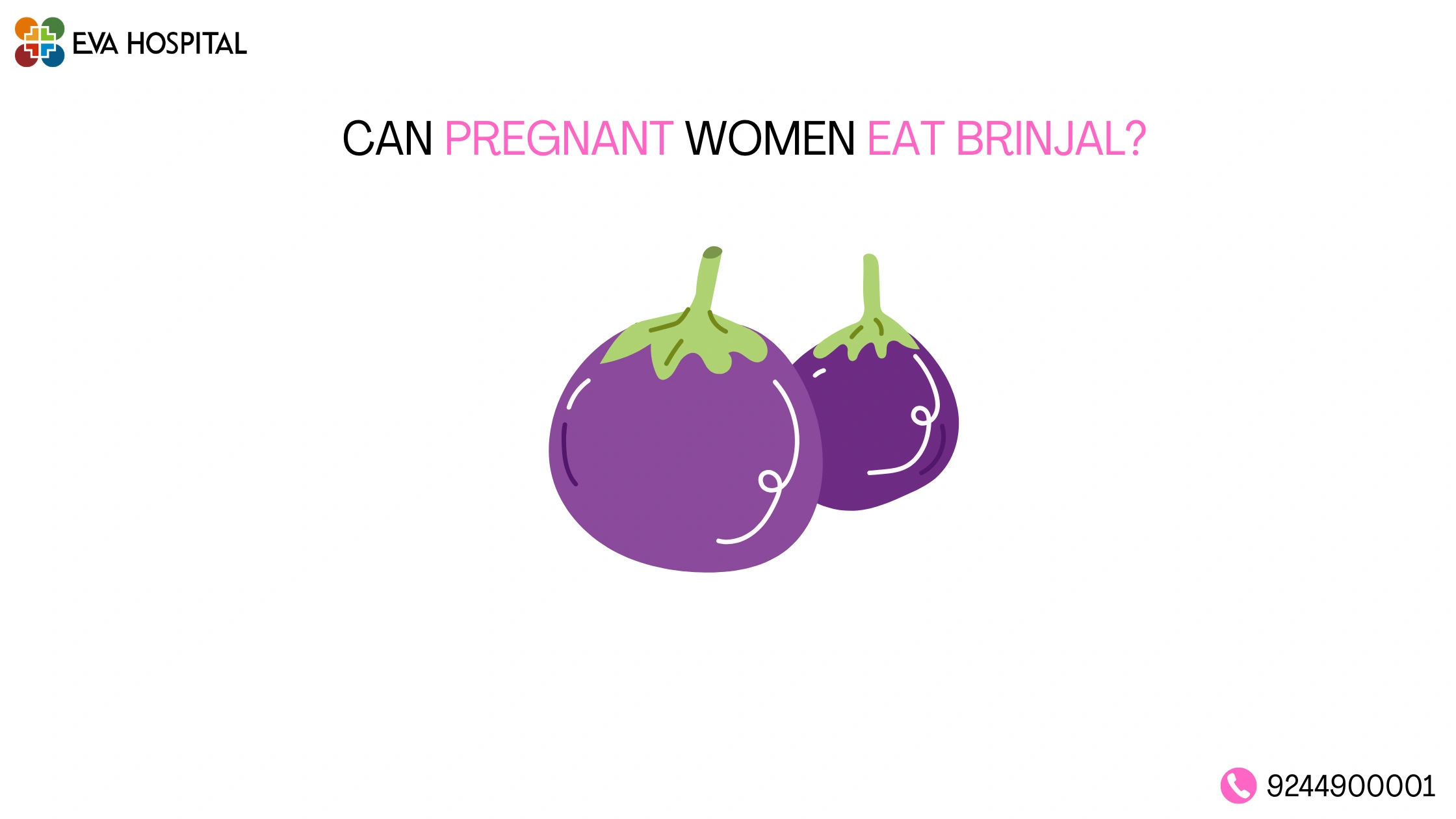
The brinjal is a very common vegetable in Indian homes. It is a regular feature in curries and stir-fry and can also be used in traditional recipes like bharta. Even though it tastes good and is healthy, many expecting women are unsure whether it is safe to consume.
The fact is, any vegetable, including brinjal, could be included in your healthy pregnancy diet in moderation, provided it is cooked properly. We will simplify all of this in a practical way in this article so you know exactly where brinjal fits into your pregnancy diet.
Can pregnant women safely consume brinjal during pregnancy?
The question of whether pregnant women can eat brinjal often arises from traditional notions and conflicting recommendations passed down by ancestors. The quick and scientific answer to whether a pregnant woman can eat brinjal often is a yes-a brinjal is fine to eat when cooked and eaten in moderation.
Brinjal does not have any effects on pregnancy and has no substances known to have any negative effects on the growth and development of an unborn baby. It contains fiber, antioxidants, and small amounts of other vital nutrients, and can have positive health impacts.
That said, pregnancy can increase sensitivity in the digestive system. This is not to say you should avoid healthy foods; in reality, they may sometimes feel a little heavy and uncomfortable for some women. Care should be taken in moderation.
If you are able to tolerate brinjal, you can include it as regularly in your diet. If there is bloating or acidity, reducing the quantity or frequency of eating the vegetable may suffice; in most cases, total avoidance is unnecessary.
Why moderation is important
Pregnancy affects how your entire alimentary canal responds to food. Eating large quantities of a single type of vegetable may, at times, be unsuitable. Brinjal should be eaten in moderation and as a part of a diet that includes a variety of other vegetables.
Best cooking methods during pregnancy
Avoid uncooked brinjal preparations such as papads and fried items. These are generally very bitter and harder for the stomach to digest. Cooked dishes such as curries, roasted preparations, or stews are much easier on the stomach.
Advantages of consuming brinjal when pregnant
Brinjal packs a nutritional punch that few people realize. There are some dietary fibers, antioxidants, and trace amounts of other vitamins and minerals that can make a positive difference during pregnancy.
Helps digestion. One of the greatest advantages of brinjal is that it helps in digestion. Constipation is a common problem in pregnancy.
Fiber-rich vegetables and fruits, such as brinjal, would contribute to healthy bowel movements.
High water content makes jalapeno low in calories.
The presence of antioxidants in brinjal is appreciated, as they sequester free radicals that cause oxidative stress and harm our cells. Although nothing can qualify as a superfood artificially, only its positive contribution can be felt inside a mixed diet.
Supports digestion naturally
In brinjal, the fiber aids colon motility and prevents constipation. This is especially beneficial in the late stages of pregnancy, when slow digestion is common.
Supports overall wellness
Brinjal’s antioxidants support the body’s ability to deal with daily stress on the cellular level. This allows a pregnant woman’s general health to be optimized and builds upon healthy meals from a nutrient-dense diet.
What are the potential risks of brinjal for expectant mothers?
Although brinjal may be considered safe, it may not be suitable for everyone. A few women who were pregnant consumed it, and experienced mild side effects.
Potential issues might be bloating or gas. Sometimes brinjal may seem a little bulky for some individuals; this is more common when eaten in large portions or when used without a moderate amount of oil. A less common issue could be a mild allergic reaction, with discomfort or itching.
Another myth that has been around for ages is that brinjal heats the body or harms pregnancy, but no scientific evidence has been proven for the same. Nevertheless, a little discomfort is not worth the risk- modify your diet if there is a response to it.
Digestive sensitivity during pregnancy
Due to hormonal fluctuations, digestion slows, and consuming heavy/oily foods compounds the issue. If brinjal is causing gas formation,it is always better to cut down the quantity or consume it along with light items.
The significance of cleaning and preparing foods correctly
Unwashed or inadequately cooked vegetables may cause gastritis. Proper washing and thorough cooking to eliminate dirt, insecticide residues, and bacteria make these vegetables safe and easier to digest.
Suggested level of brinjal in an order of pregnancy diet.
A pregnancy diet should be based on balance rather than on minimizing or avoiding. In moderation, brinjal can be part of your diet, but smaller quantities are more tolerable.
A practical rule of thumb would be approximately 1/2 to 1 cup of cooked brinjal, 2 to 3 times per week. This would enable you to get the benefits without placing an excessive burden on your digestive system.
Furthermore, Brinjal is best paired with other vegetables rather than eaten alone. This would help make the meal more balanced and nutrient-diverse.
Balancing brinjal with other foods
Consuming brinjal with vegetables such as potatoes, peas, and tomatoes enhances taste, increases nutrient content, improves digestibility, and reduces post-meal stomach heaviness.
Adjusting intake based on comfort
Always, there are differences, and you may want to cut down on either the type or the variety if, after munching on brinjal, you start feeling heaviness or the after-effects of overloading your face. It’s always the body that rules!
Bullet-point list of the nutritional value of brinjals for prenatal health.
Brinjal provides a small but effective array of nutrients to support a healthy pregnancy. They are fiber, vitamin C, potassium, and antioxidants.
The fiber aids digestion and the elimination of waste (preventing constipation). Potassium helps maintain the body’s fluid balance. Vitamin C is vital for a healthy immune system, and immune responses are important in pregnancy as the body is changing so much.
While attempting to get your fill of folate, don’t forget the small contribution by brinjal. It can hardly be considered a major source of folate.
Antioxidants and cellular protection
Brinjal has antioxidants such as nasunin that battle oxidative stress by protecting cells. This promotes good health and works well for a pregnant woman following a rich diet.
Part of a well balanced prenatal diet Contributions to a well balanced prenatal diet
You can look at brinjal as one of the means to provide nutrients, but it should not be taken as one of the ultimate sources of nutrients. It’s, however, good if part of a diverse intake of fruits, vegetables, grains, and proteins that you consume.
Another question is: can pregnant women eat brinjal?
The question arises whether pregnant ladies can eat brinjal frequently. Such questions are used more out of tradition than on a scientific basis. Anyway, eating fresh and cooked brinjal is likely to be healthful for pregnant ladies.
No evidence suggests that it is harmful to the baby or leads to any complications in pregnancy. The most important considerations are hygiene, how food is cooked, and portion size, not omission.
Myths vs reality
There are diverse cultural beliefs advising not to consume brinjal during pregnancy, but none of these are scientifically proven. Read on…
Practical approach to inclusion
I don’t think it’s advisable to remove brinjal from the diet altogether. It is better to find out how YOUR body reacts and take a call accordingly. A varied, balanced meal should be the best during pregnancy.
FAQs
Is brinjal safe in all stages of pregnancy?
Yes, brinjal is safe in all trimesters and at all stages during pregnancy.
Can brinjal cause any harm to the baby?
Brinjal has no adverse effect on the development of the fetus and pregnancy outcome, based on scientific evidence.
How often should pregnant women eat brinjal?
Typically, two to three servings per week in moderate amounts are considered safe.
What is the best way to cook brinjal during pregnancy?
It can be easily digested and is safe if cooked thoroughly by currying, roasting, or steaming.
Should brinjal be avoided if I have acidity?
People suffering from acidity and bloating should avoid brinjal. It is wiser to limit its intake.