
It is also believed by many that the presence of a single fallopian tube is the automatic cause of infertility, which is not always the case. Factually, even those people who have one fallopian tube can still conceive naturally and proceed to bear healthy pregnancies. Fertility is also a factor that is determined by the ovulation and the health status of the remaining tube, age and the general reproductive health. The presence of the rest of the fallopian tube and the release of eggs in a regular ovary cycle is sufficient to conceive a child.
As the medical research and life experience of thousands of women testify to, some so many women have successfully given birth to a child after having one tube removed under the influence of such conditions as ectopic pregnancy, surgery, infection, or congenital defects. The reproductive system is also remarkably adaptive and in certain instances, the left tube has the capacity to grasp eggs even of the contrary ovary.
Knowledge about the functioning of the reproductive system in relation to one fallopian tube will help to eliminate fear and confusion. Despite medical advice and good lifestyle habits, such as maintaining health and appropriate timing, many people can fulfill their dream of having children.
This paper describes the mechanism of conception in an active tubal fallopian tube, what influences the chances of conception, and the potential possibilities of conceiving a child. It also addresses the general inquiries and dispels the misperceptions that most individuals have with regard to fertility with a single tube.
Introduction
Being a gynaecologist Ludhiana I Dr Shivani Bhutani will today share about the concept of one Fallopian tube and getting pregnant with it. Fertility issues may be a matter of stress, particularly where one learns he/she has only one working fallopian tube. This can occur because of a variety of reasons including ectopic pregnancy, pelvic infections, endometriosis or surgical ablation of a damaged tube. The question that arises first of all is whether one can still be pregnant.
Most individuals fear the prospect of losing a fallopian tube which will in effect lower their likelihood of conceiving. Although it may have an influence on fertility to a certain degree, it does not necessarily rule out the birth of a child. The female reproductive system is multifaceted and can adjust itself in astonishing ways.
Fallopian tubes are important to the female reproductive system since they facilitate the movement of the egg through ovary to the uterus. When the egg and the sperm meet, fertilization usually takes place within the tube. In the case of a single tube, the process may still take place provided that ovulation and the rest of the tube are not impaired.
Another point that needs to be known is that ovulation between ovaries occurs in a predictable manner in most cases, although this is not always the case. There are instances when the same ovary produces eggs in several cycles. Also, in some cases, the remaining tube can still obtain eggs of the other ovary.
Medical practitioners usually assure the patients that they can still be quite fertile with only one tube especially when the tube is open and functioning well. Numerous women get pregnant after several months and a few years of conception.
Further on, we will discuss the functioning of reproduction when one of the fallopian tubes is blocked, the most important factors that influence the fertility rates, and what can be done to raise the probability to be pregnant.
How the Female Reproductive System Works With One Fallopian Tube
Female reproductive system is geared towards ovulation, fertilization and pregnancy. In case of the presence of both fallopian tubes, both tubes link an ovary to the uterus and aid in the transportation of the egg during ovulation. Nevertheless, even one of the tubes is absent or obstructed, the body is capable of operating normally.
Ovulation involves the release of an egg into the pelvic cavity by an ovary. This egg is ensnared by the fallopian tube with little fingers known as fimbriae. The process of fertilization normally takes place in the tube whereby the sperm interacts with the egg.
Using one tube, the process goes on until the rest of the tube is healthy and free. Its egg could be still captured and taken to the uterus where the implantation takes place.
Role of the Remaining Tube
The other tube is the one that is involved in picking up the egg during ovulation. Where an ovary on the same side discharges an egg, it is easy since the egg may directly penetrate the tube.
The tube then supplies the condition in which the sperm could be able to meet the egg. In case fertilization takes place, the embryo moves to the uterus and implants to the uterine lining.
The tube must be healthy and its movement and structure must be sufficient to allow this process to be effective.
Ovulation and Egg Movement
Alternation of ovulation is not necessarily between ovaries. Others could have repeated release of eggs in the same ovary.
Interestingly, the rest of the tube can also acquire ovaules that were shed by the other ovary. It implies that the ovulation in the tube-less side is not a barrier to conception.
This is one of the reasons why many women conceive even when they have only single fallopian tube as a result of this natural flexibility.
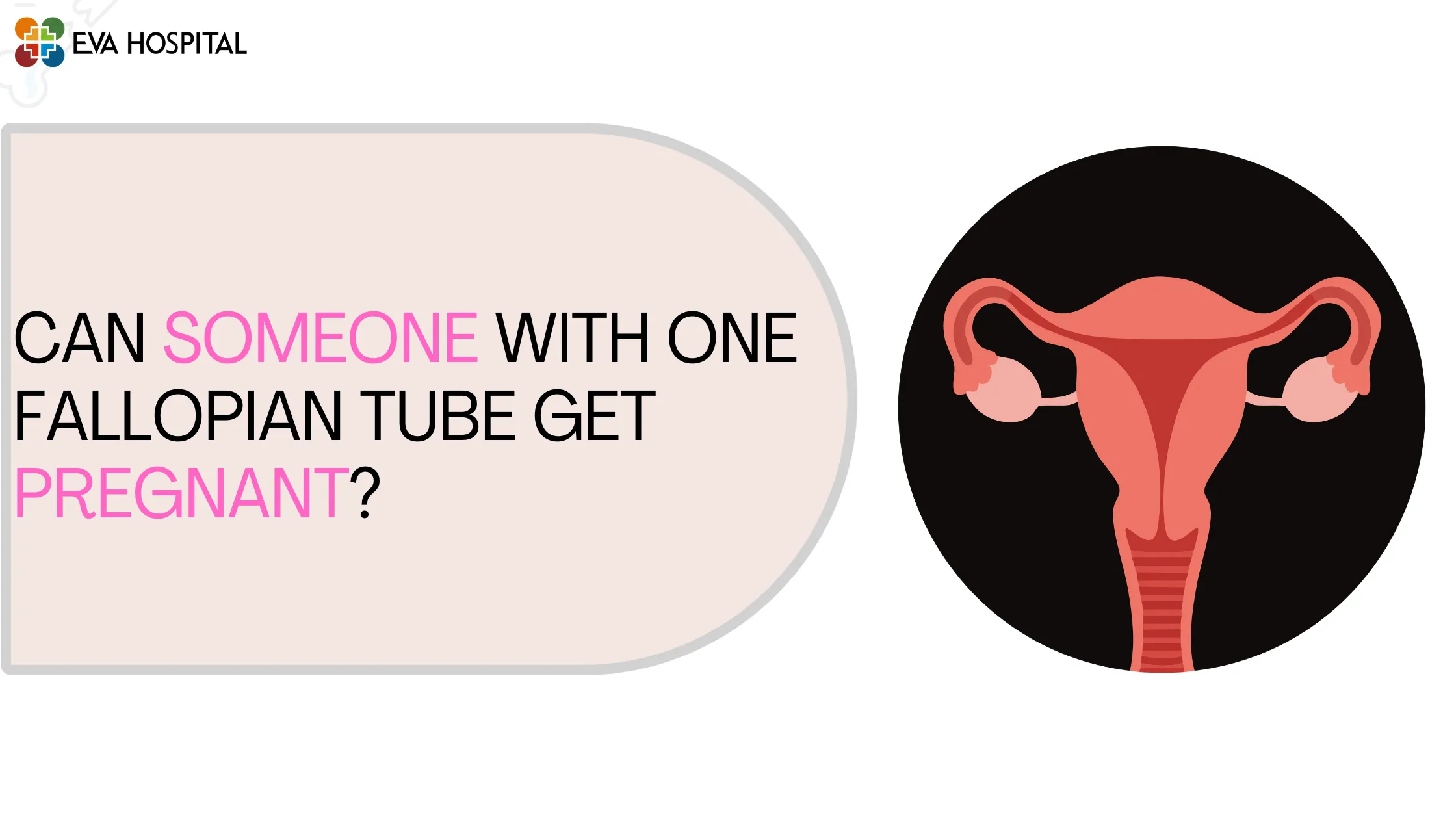
Can someone with one fallopian tube get pregnant?
Yes, the pregnancy may occur with a single fallopian tube. Fertilization is still possible as long as the rest of the tube is healthy and the ovulation process proceeds normally. Naturally, there are many people who conceive even without fertility treatments. Reproductive system is capable of compensating the loss of one of the tubes and the remaining tube is able to carry out the required functions. The age, health of the egg, health of the sperms, and reproductive health, among others, also have an impact on the probability of conception.
Although this may slightly decrease the fertility, it does not rule out chances of conception. With proper planning and medical advice, many women are able to conceive within a realistic period.
Natural Conception With One Tube
Natural conception ensues when an ovary releases an egg and the tube which remains is able to record the egg. The sperm is capable of fertilizing the egg and forming an embryo once it gets into the tube.
The embryo then proceeds to the tube and implants in the uterus. This is basically a similar process as in two-tube individuals.
A lot of couples get pregnant without knowing that having a single tube cannot become the significant factor in the fertility.
Medical Support and Fertility Treatments
In case pregnancy is not achieved after several attempts, the specialists in the field of fertility can be able to determine the potential problems. The physicians can examine ovulation cycles, the quality of the rest of the tube and sperm.
Ovulation induction or assisted reproductive technologies can be used to treat and raise the chances that a woman will conceive.
In other instances, surgeries such as in vitro fertilization may entirely avoid the use of tubes altogether and this provides more choices to persons who experience difficulty in fertility.
Factors That Influence Fertility With One Tube
There are numerous factors that play a role in fertility other than the number of fallopian tubes. This knowledge would enable people to evaluate their child bearing capacity and make appropriate decisions.
The remaining tubes condition, the hormonal balance, as well as lifestyle habits are all relevant in the determination of fertility outcomes.
Health of the Remaining Tube
The other tube has to be open and active so that natural conception can take place. When it is blocked or damaged it may not allow the egg and the sperm to meet.
Imaging tests are usually carried out by doctors to determine the condition of the tube. A healthy tube will seriously enhance the chance of pregnancy.
Age and Egg Quality
One of the most significant aspects of fertility is the age. Egg quality and quantity decrease as a person ages.
When one of the fallopian tubes is blocked, the young people have better opportunities to be pregnant as opposed to the ones who are nearly late thirties or forties.
General health care and early medical consultation can be useful to maximize the fertility results.
What Are the chances of pregnancy with one fallopian tube?
The likelihood of conception by one tube depends on a number of personal variables. According to many medical professionals, there is a possibility that fertility will go down a notch or two, but it is not as much as people are thinking.
It is a fact that in most instances, people can yet manage to conceive naturally in a reasonable time. The total fertility of both couples is a significant factor in the success.
Ovulation Timing and Fertility Window
Conceptualization timing may greatly enhance conception probabilities. The fertile window is normally a few days to ovulation and also the ovulation itself.
Tracking menstrual cycles, monitoring ovulation signs, or using ovulation predictor kits can help couples time intercourse more effectively.
Proper timing can greatly increase the likelihood of successful fertilization.
Overall Reproductive Health
Conditions such as hormonal imbalances, uterine abnormalities, or sperm-related issues can affect fertility regardless of the number of tubes.
Regular health checkups and early fertility assessments can identify potential concerns before they become major obstacles.
Addressing underlying issues early can help improve the chances of pregnancy.
One Fallopian Tube Can I Get Pregnant
Yes, one fallopian tube is still enough to conceive a child. There are several women in the world who manage to conceive a child with a lost tube performed by surgery or illnesses.
The egg can still be trapped in the other tube and fertilized provided that the tube is in good condition. In most instances, people get conceived naturally without any serious complications.
Importance of Ovary Function
The presence of healthy ovaries in relation to fertility is very important. In order to get pregnant, ovulation has to be normal.
In case ovulation is produced by the ovary that is attached to the tube that remained, there are higher chances of conception.
Ovulation monitoring can assist in couples in knowing the most fertile days of the menstrual cycle.
Lifestyle and Fertility Support
Fertility may be affected by lifestyle factors given that proper nutrition, stress levels, sleep quality, and physical activity can affect a person.
A balanced diet, stress reduction, and the avoidance of unhealthy substances can help to get reproductive health and improve the probability of pregnancy.
These practices are helpful to both partners in attempts of obtaining pregnancy.
How to Improve Fertility With One Tube
Pregnancy may occur naturally using a single tube but there are some strategies that may be used to increase the possibility of success. It is possible to make little changes in our lifestyles and consult a doctor.
Learning about the patterns of fertility and making a proactive move can make couple feel confident on the way to the parenthood.
Healthy Lifestyle Choices
A healthy weight, consumption of nutritious foods, and exercise helps in maintaining good reproductive health.
Fertility can be safeguarded also by avoiding smoking, overuse of alcohol and exposure to harmful chemicals.
Good lifestyle practices provide a conception and pregnancy friendly environment.
Medical Monitoring and Advice
Consultations with a medical worker may be taken regularly to monitor the state of reproductive health and prevent the emergence of complications.
Physicians can also prescribe tests to check the ovulation, hormones, and the fallopian tube state.
Premeditative medical advice can offer hope and make couples make a wise choice regarding the fertility planning.
Successful pregnancy with one fallopian tube
Pregnancy by a single tube is not exceptional and most women have gone ahead to deliver healthy babies and pregnancies. The success can be ensured with the help of an appropriate attention and treatment to reproductive health.
Healthy lifestyle decisions, medical assistance, and time would normally have significant roles in attaining positive results.
Emotional and Mental Support
Emotional pressure may be developed in many couples due to fertility difficulties. Having a positive attitude and emotional support help can facilitate the process.
Discussing the experience with healthcare providers, counselors, or support groups may make people feel that they are not alone anymore.
Preparing for a Healthy Pregnancy
It is important that once pregnancy has happened, prenatal care has to be done well. Routine examination, dietary balance, and medical supervision can contribute to the well-being of a newborn and his parent.
A significant number of women that have a single fallopian tube carry a pregnancy to term without any complications. Connect with me Dr Shivani Bhutani if you too having a one fallopian tube.
FAQ
The conception process may be a bit slower at times since ovulation may not necessarily be achieved in the side where the remaining tube is situated. Nevertheless, it is still possible to get pregnant without significant challenges and have many people do it.
Yes, sometimes the tube left behind could get hold of an egg discharged by the other ovary. This is among the reasons why only one tube can allow a pregnancy to take place.
Consultation with a fertility specialist may be of assistance in case you are below 35 and have been trying during a period of about one year but have not achieved any results. Those above 35 years can think of medical consultation in six months of unsuccessful attempts.
Yes, fertility procedures like ovulation stimulation, intrauterine insemination or in vitro fertilization can raise the likelihood of conception depending on the case.
Most commonly, the pregnancy that has one tube is not high-risk. Medical follow up is however important as ectopic pregnancy has a history.