
Bankart Repair Surgery in Ludhiana for Recurrent Shoulder Instability
Repeated shoulder dislocations are often caused by damage to the labrum and stabilizing structures of the shoulder. Arthroscopic Bankart repair aims to improve stability in appropriately selected patients by repairing the torn labrum and tightening the damaged capsule.
At Eva Hospital, Ludhiana, recurrent shoulder instability is evaluated using the clinical examination together with appropriate X-rays, MRI and, when required, CT assessment of bone loss before deciding whether Bankart repair, Bankart repair with remplissage, or another stabilization procedure is most appropriate.
Arthroscopic Treatment
Treatment Options Explained
Individual Assessment of Bone Loss
Structured Rehabilitation
Why Does a Shoulder Keep Dislocating?
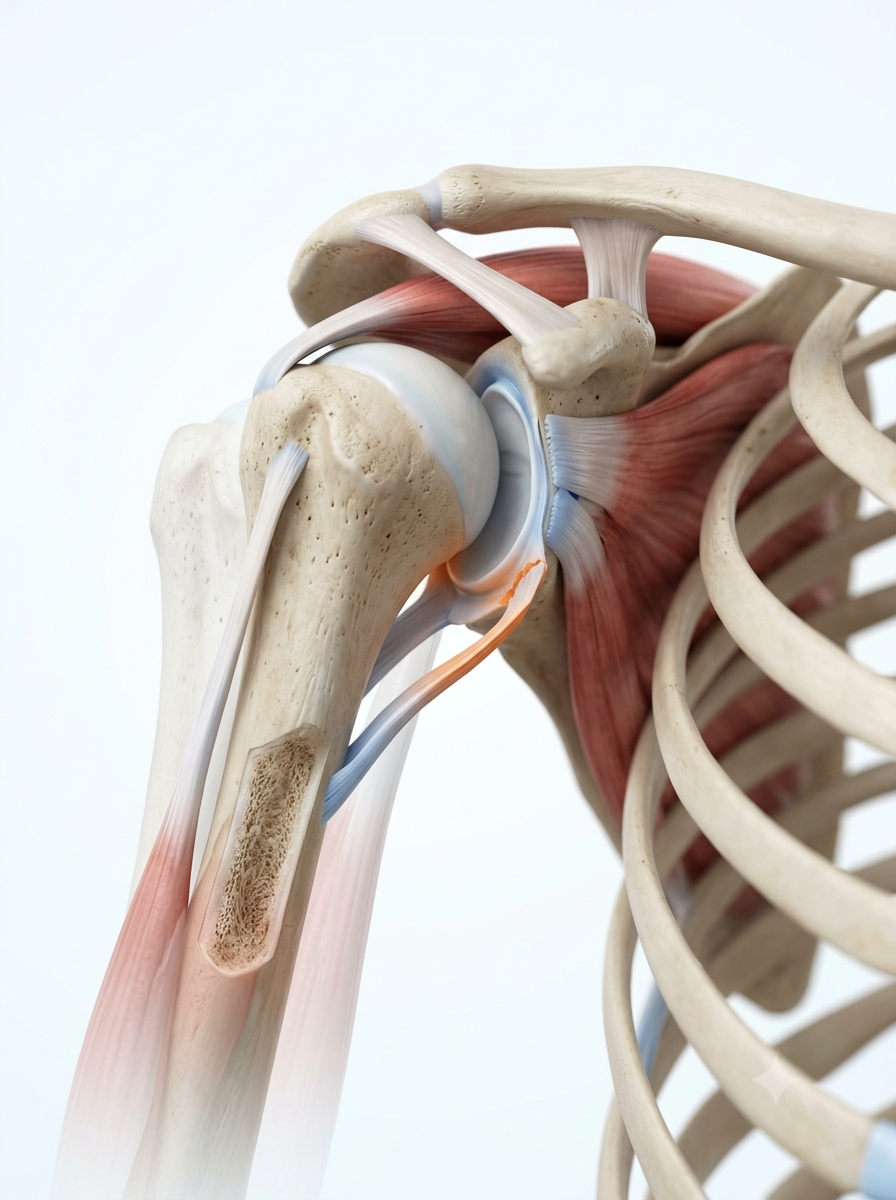
The shoulder is the most mobile major joint in the body. This large range of motion also means that stability depends heavily on the labrum, capsule, ligaments and surrounding muscles.
During a traumatic anterior shoulder dislocation, the ball of the shoulder joint — the humeral head — is forced out of the socket, usually forwards. This can detach the anteroinferior labrum from the edge of the glenoid socket. This injury is called a Bankart lesion.
Once the labrum and capsule have been damaged, the shoulder may not regain its original stability. Some patients subsequently experience:
- Another complete dislocation
- Episodes of partial slipping or subluxation
- Apprehension while placing the arm overhead or behind the body
- Inability to throw confidently
- Instability during gym exercises
- Difficulty participating in contact or overhead sport
- A persistent feeling that the shoulder may "come out"
Repeated dislocations can cause progressively greater damage to the joint, including injury to the glenoid bone and humeral head.
Our Doctor
Details of registered medical practitioners at Eva Hospital, Ludhiana, provided for patient information.
Dr. Tanveer Singh Bhutani
Consultant Orthopaedic Surgeon
- Qualifications
- MBBS, MS (Orthopaedics), M.Ch (Orthopaedics) (UK)
- Department
- Orthopaedics
- Registration Status
- Registered
- Registration No. (NMR/SMR)
- 40132
- Registered With
- Punjab Medical Council
- Availability
-
10:00 AM to 2:00 PM
4:00 PM to 8:00 PM
Registration can be verified on the NMC website.
What Is a Bankart Tear?
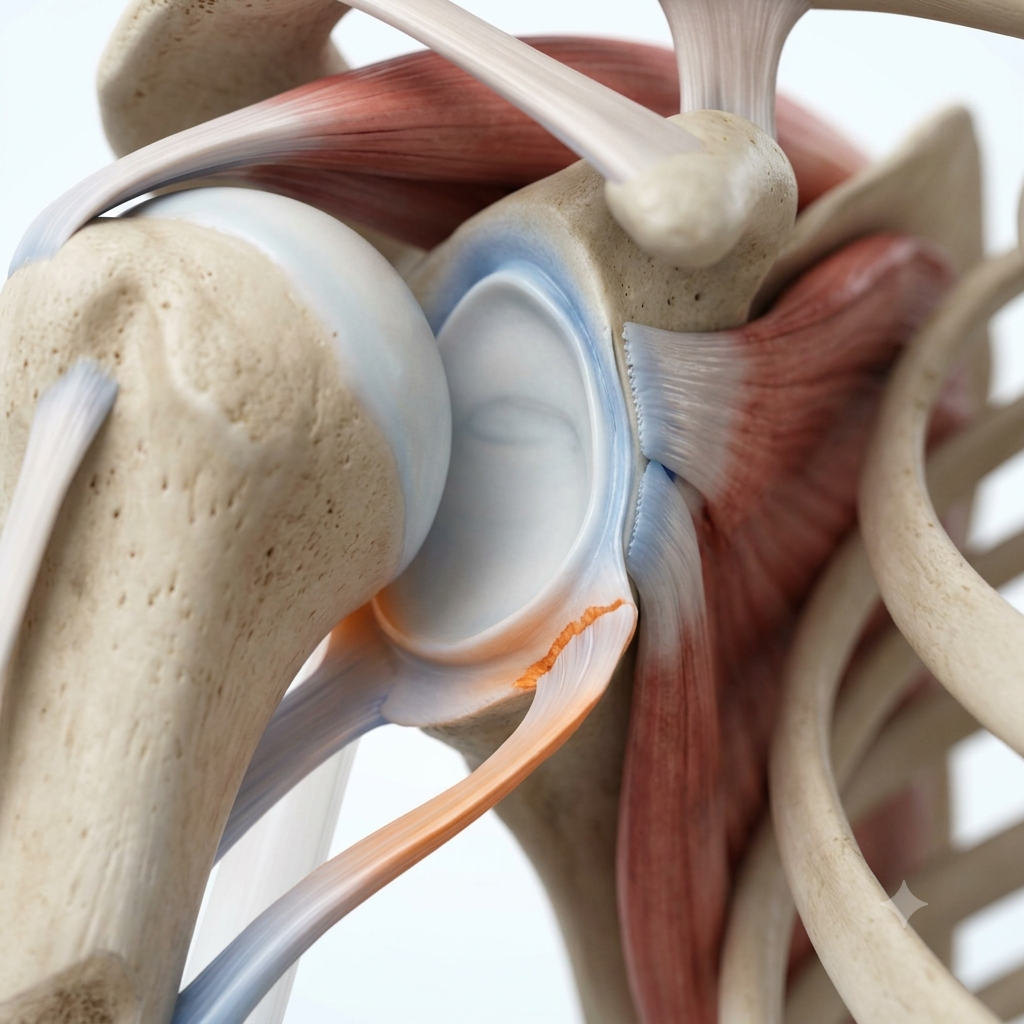
A Bankart lesion is an injury to the lower-front portion of the glenoid labrum that commonly occurs when the shoulder dislocates anteriorly.
The labrum acts partly as a rim around the relatively shallow shoulder socket. Together with the capsule and ligaments, it contributes to shoulder stability.
When this labrum is detached from the glenoid, particularly when accompanied by stretching or tearing of the capsule, the shoulder can become unstable.
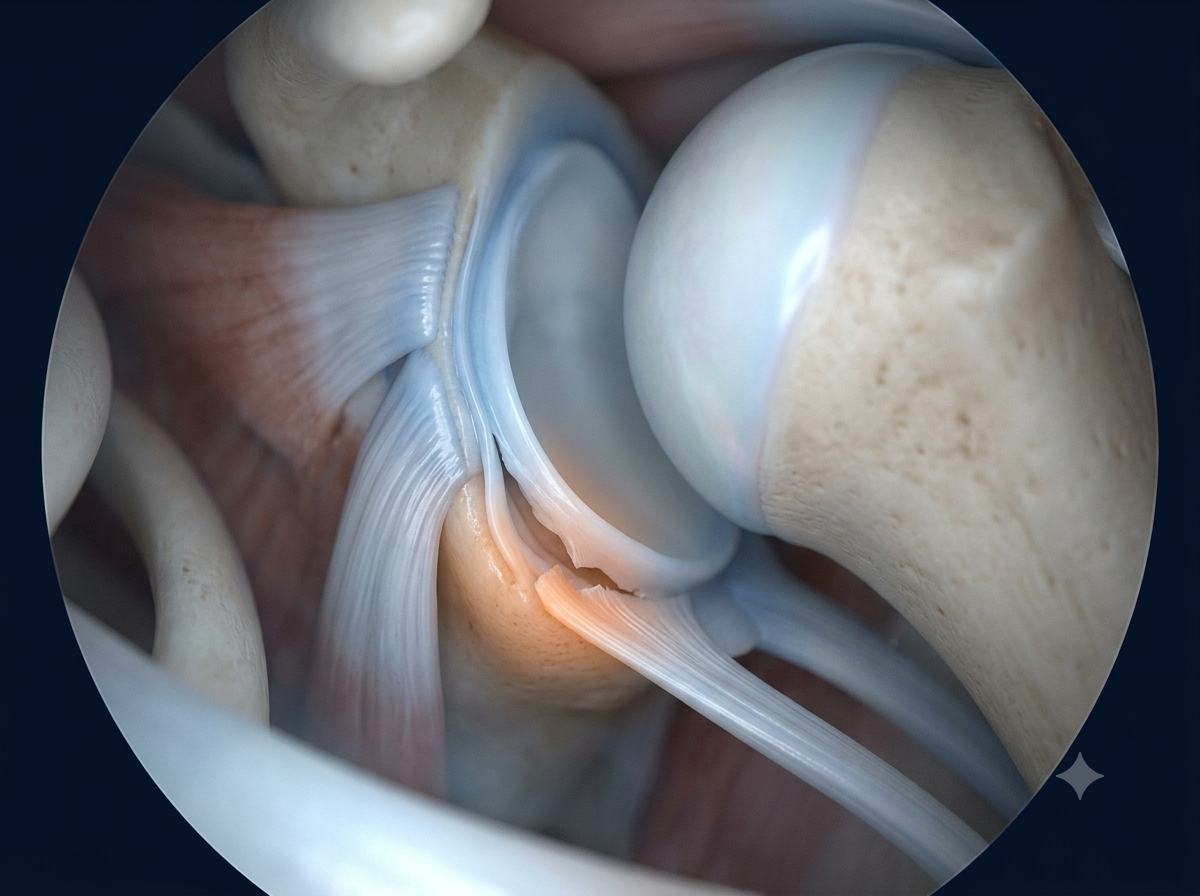
An arthroscopic Bankart repair aims to return these structures to their anatomical position and improve stability of the shoulder.
Does Every First Shoulder Dislocation Need Bankart Surgery?
Age
Sporting activity
Occupation
Direction and mechanism of dislocation
Associated injuries
Degree of bone loss
Patient expectations
Risk of recurrent instability
Who May Need Arthroscopic Bankart Repair?
Recurrent traumatic anterior shoulder dislocations
Repeated episodes of shoulder subluxation
Persistent instability despite appropriate rehabilitation
Instability affecting work or everyday activity
Symptomatic Bankart tear in an appropriately selected athlete
Significant instability following a traumatic shoulder injury
Bankart Repair Is Not the Only Operation for Every Unstable Shoulder
A recurrent shoulder dislocation is not simply a “labrum problem.” Repeated dislocations can damage bone on both sides of the joint.
Glenoid Bone Loss
Hill-Sachs Lesion
Bankart Repair, Remplissage or Latarjet — How Is the Decision Made?
| Procedure | When It May Be Considered |
|---|---|
| Arthroscopic Bankart Repair | Typically considered for soft-tissue shoulder instability when a repairable Bankart lesion is present and the pattern of glenoid bone loss is suitable for arthroscopic stabilization. |
| Bankart Repair + Remplissage | May be considered in selected patients with a clinically significant Hill-Sachs lesion when additional stabilization on the humeral side is required. |
| Latarjet / Bone Augmentation Procedure | May be recommended for substantial glenoid bone loss, recurrent instability with higher-risk features, certain contact or collision athletes, or instability that persists after previous stabilization surgery. |
| Other Procedures | Revision surgery, multidirectional instability, and less common instability patterns require an individualized assessment and treatment plan based on the patient's specific condition. |
How We Evaluate Recurrent Shoulder Dislocation
How many times has the shoulder dislocated?
Was reduction required in hospital?
Does the shoulder partially slip without completely dislocating?
Which arm positions produce apprehension?
Is the patient involved in contact or overhead sport?
Has previous shoulder surgery been performed?
Clinical Examination
X-rays
MRI
CT Scan When Required
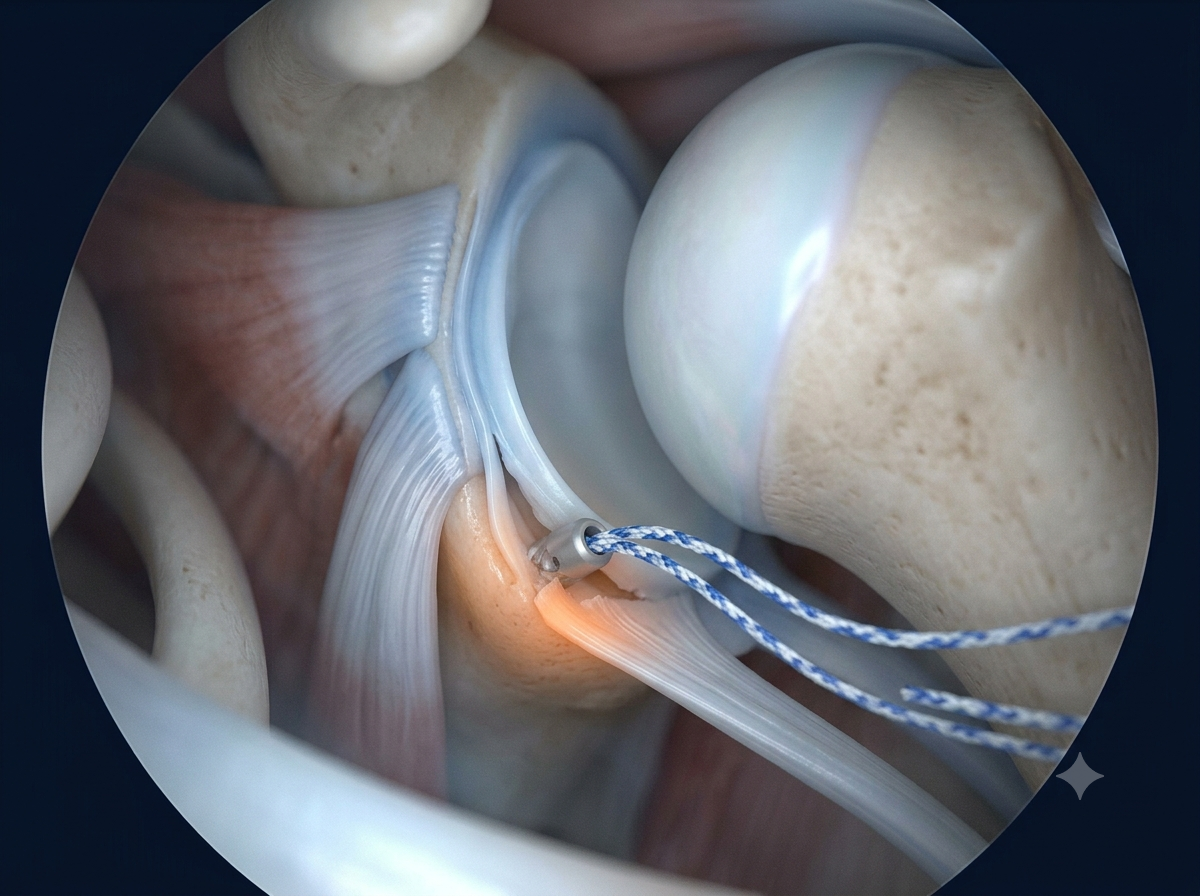
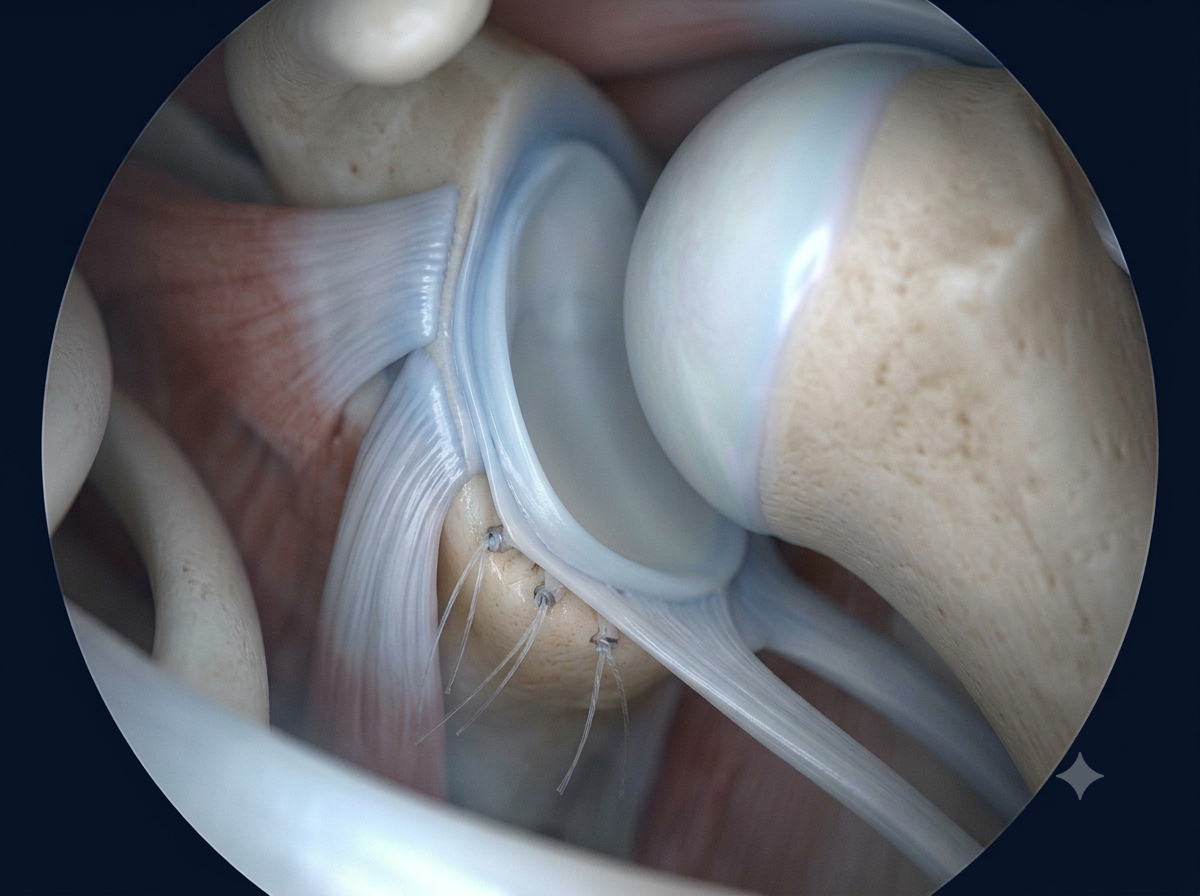
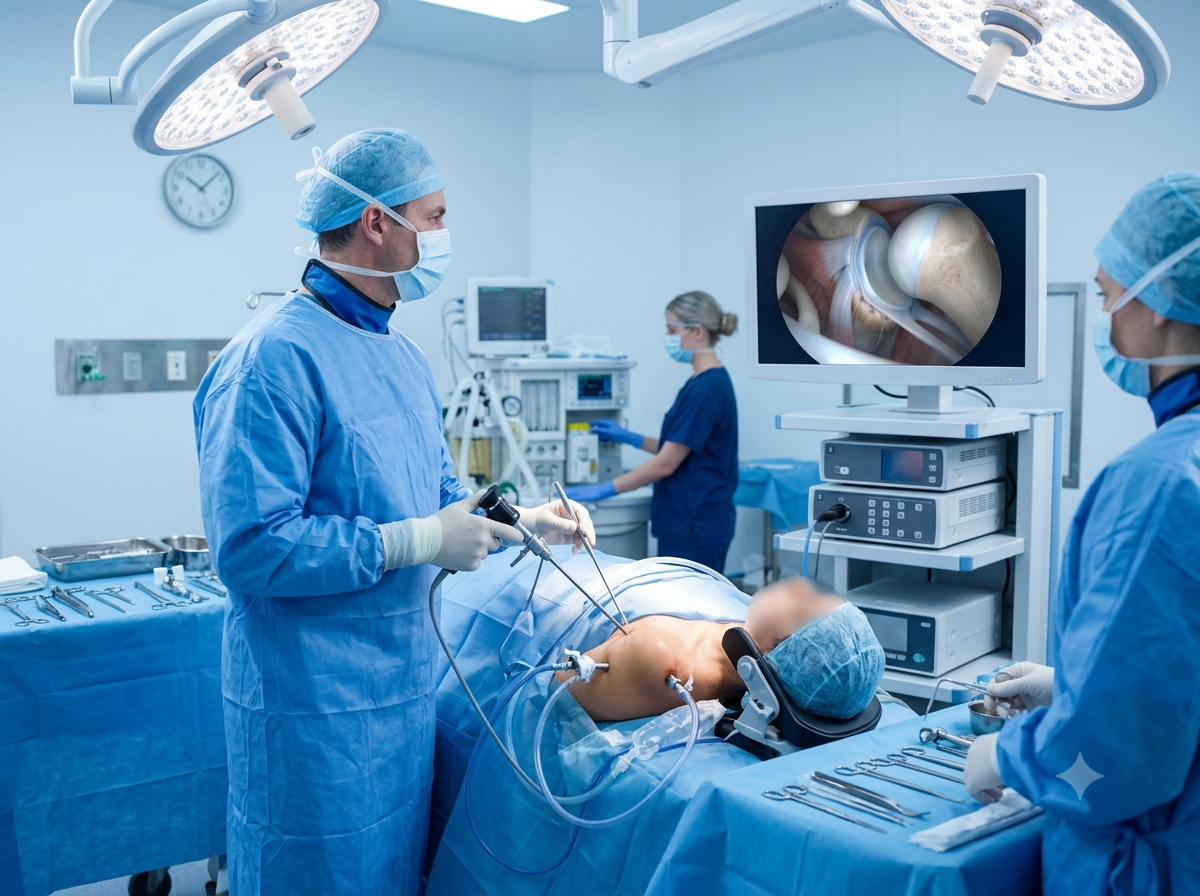
How Is Arthroscopic Bankart Repair Performed?

Complete Arthroscopic Assessment

Preparation of the Glenoid

Anchor Placement

Labral Repair

Restoration of Capsulolabral Tension
Arthroscopic Views
Advantages of Arthroscopic Bankart Repair
Small surgical incisions
Direct visualization of the shoulder joint
Anatomical repair of the labrum and capsule
Ability to assess associated intra-articular pathology
Structured progression back to daily activity and sport
Recovery After Arthroscopic Bankart Repair
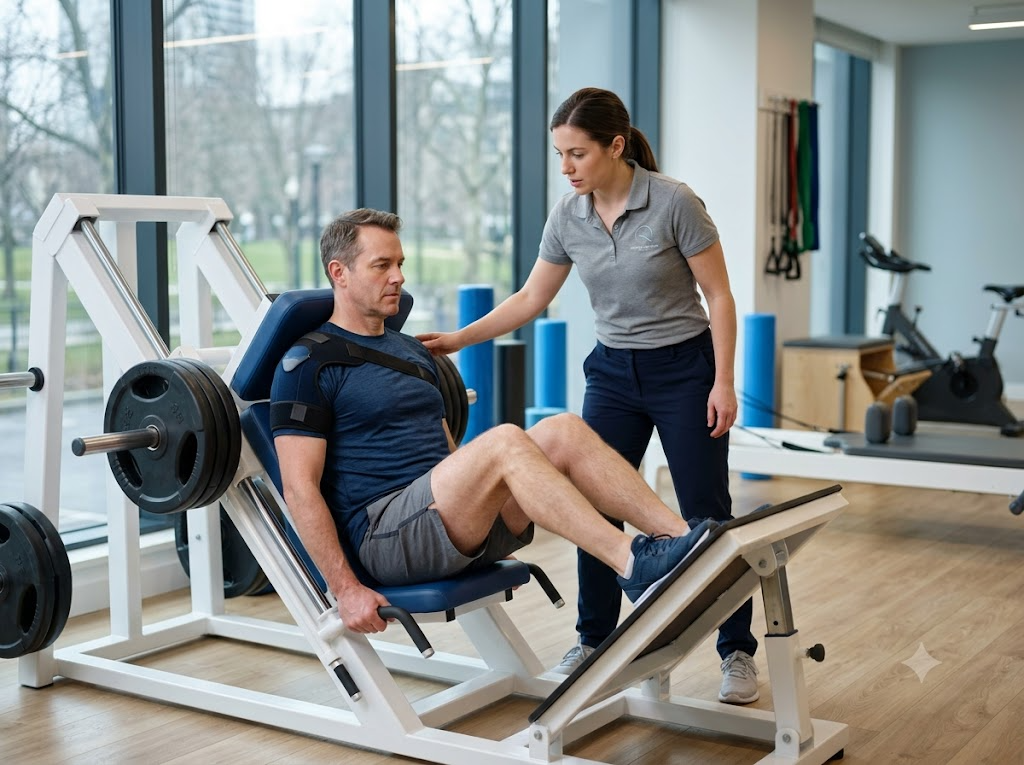
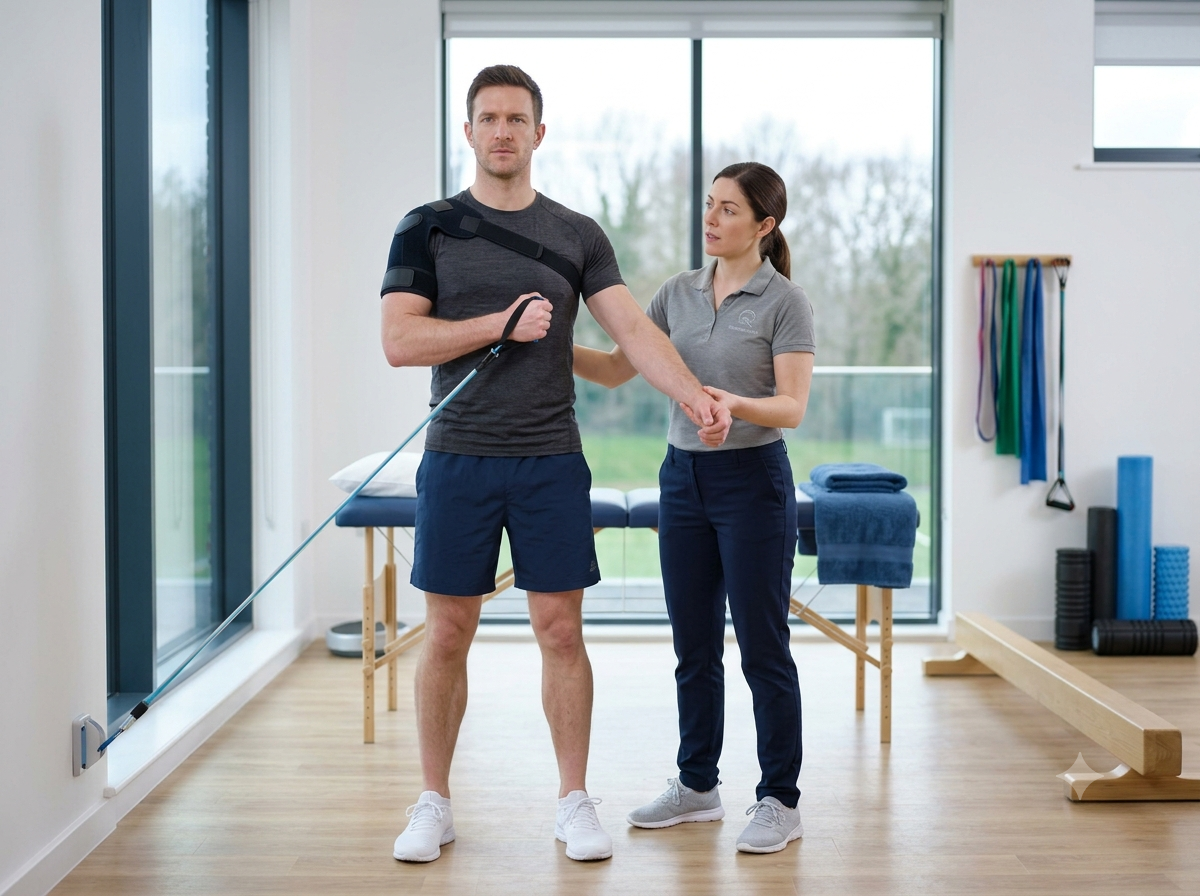
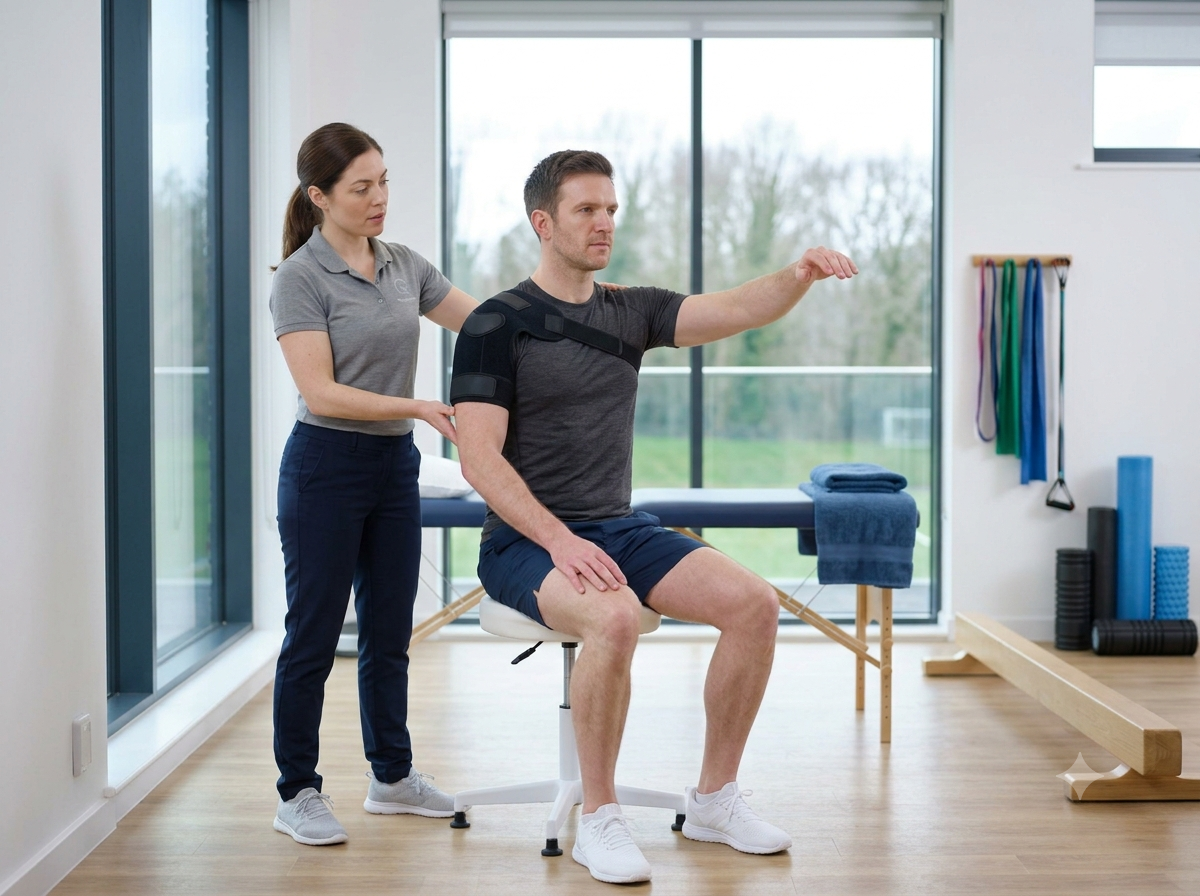
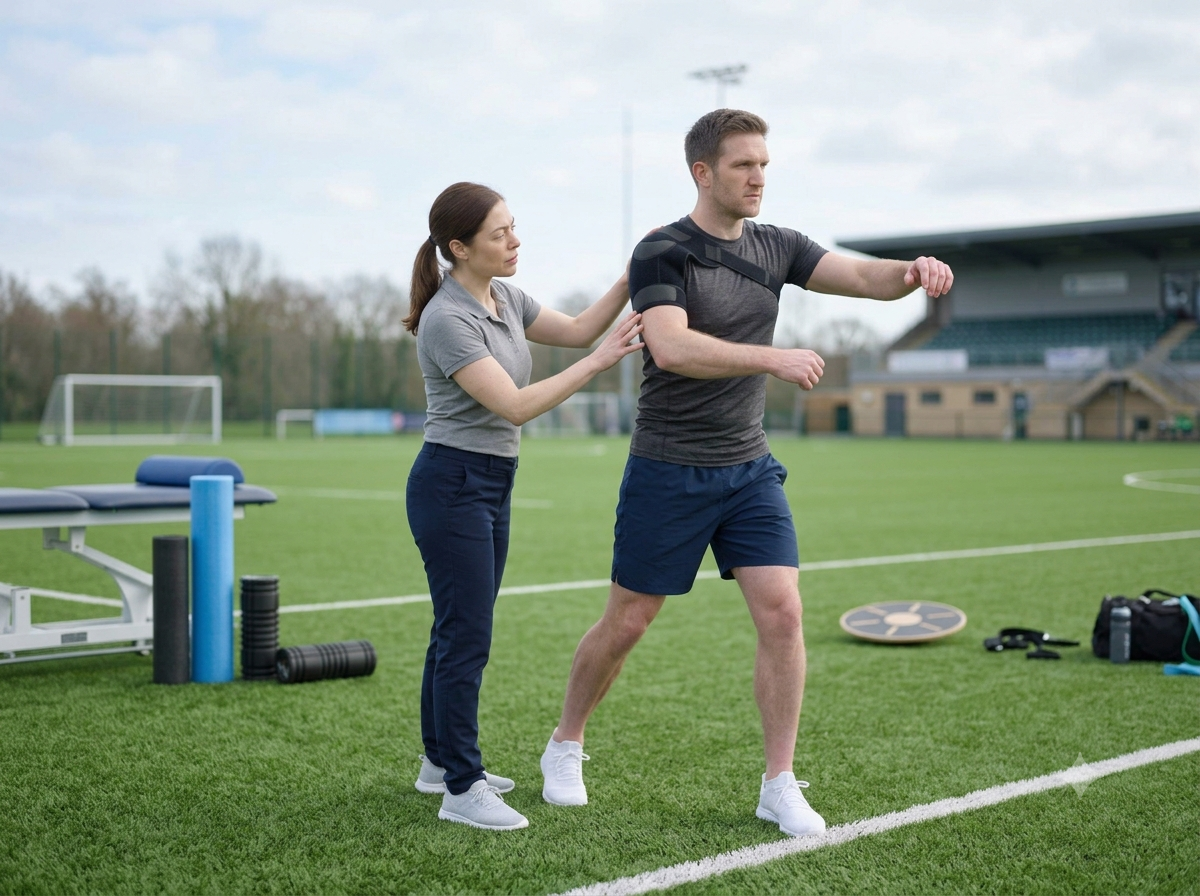
Recovery after stabilization surgery is not simply a matter of waiting for the incisions to heal. The repaired labrum has to biologically heal to the glenoid, while shoulder movement and strength are gradually restored without overstressing the repair. Rehabilitation is therefore progressed in phases.
| Rehabilitation Phase | Typical Rehabilitation Plan |
|---|---|
|
Phase 1 — Protection Approx. first 3–4 weeks | The shoulder is generally supported in a sling. The focus is on protecting the repair, controlling pain and swelling, maintaining elbow, wrist and hand movement, and beginning only the shoulder exercises permitted by the surgeon and physiotherapist. Excessive external rotation and positions that place stress on the anterior repair are avoided during early healing. |
|
Phase 2 — Restoring Movement Approx. weeks 4–8 | Rehabilitation gradually progresses to restore shoulder movement while protecting the healing repair. Sling use is reduced progressively according to clinical recovery and professional guidance. |
|
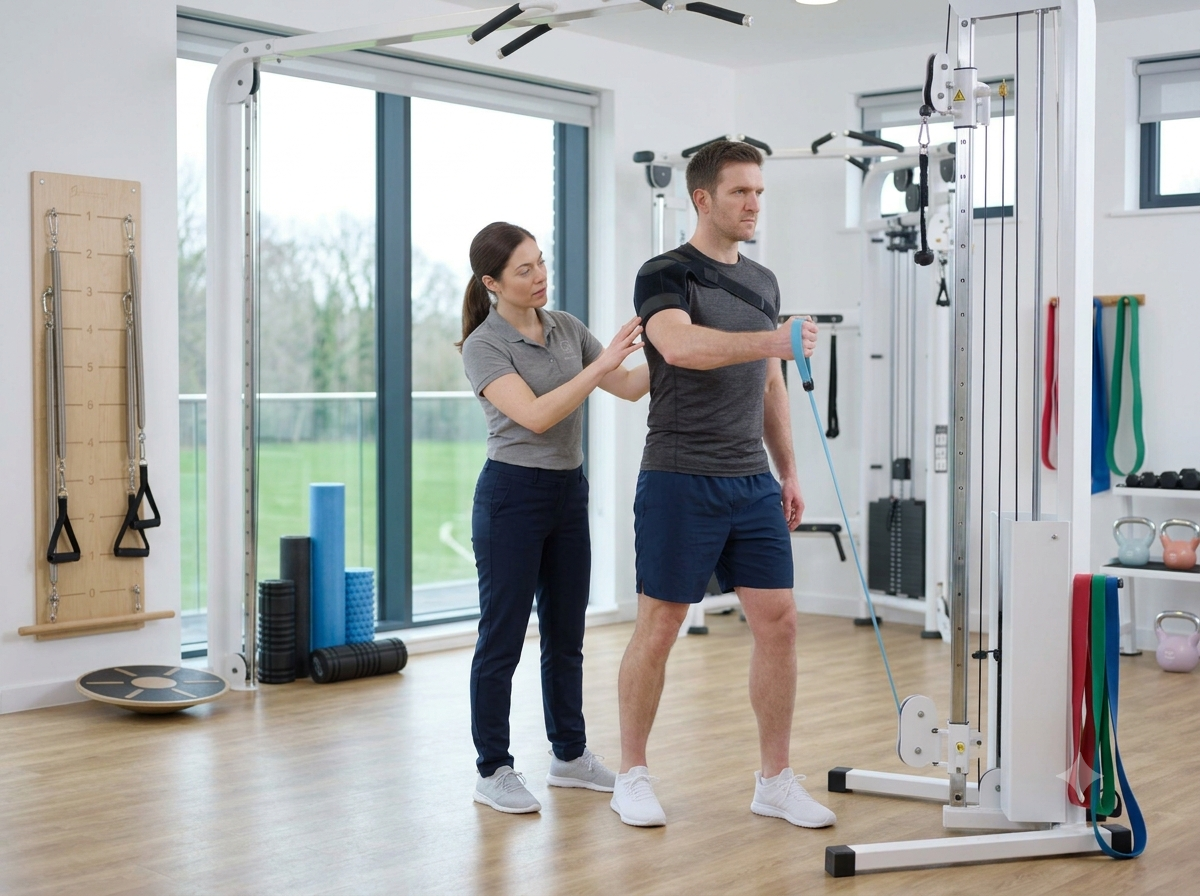
Phase 3 — Strengthening Approx. weeks 8–12 and onwards | As healing and range of motion improve, progressive strengthening is introduced. The programme focuses on rotator cuff strength, scapular control, shoulder endurance, proprioception and controlled functional movement. |
|
Phase 4 — Advanced Strength & Sport Rehab Approx. 3–5 months | Patients progressively return to more demanding gym, occupational and sporting activities. Overhead athletes require additional attention to throwing mechanics, movement quality and gradual loading before returning to full activity. |
When Can I Return to Normal Activities?

Desk Work

Driving
Gym
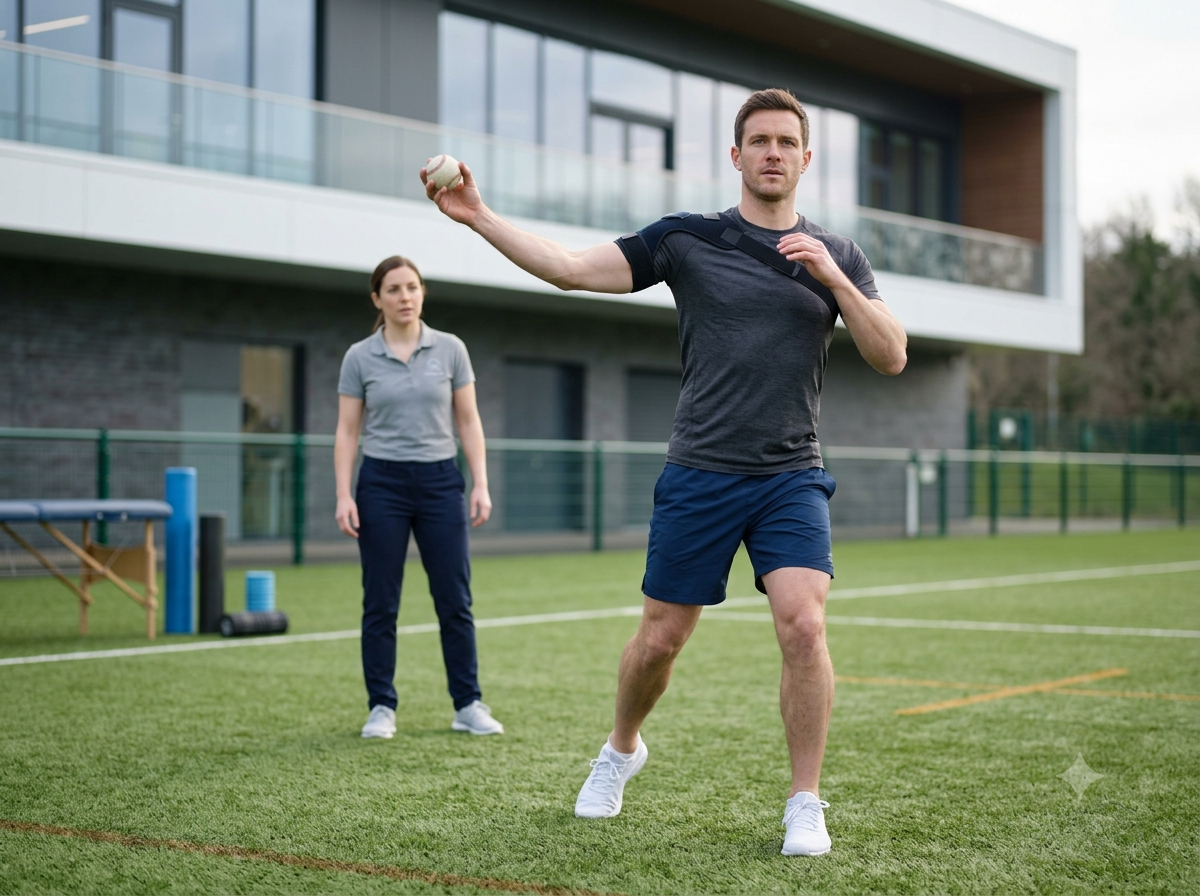
Sport
Rehabilitation After Shoulder Stabilization
Are There Risks With Bankart Repair?
- Infection
- Stiffness
- Persistent pain
- Temporary or rarely persistent nerve-related symptoms
- Recurrent instability
- Failure of the labrum to heal adequately
- Anchor-related problems
- Loss of some shoulder movement
- Need for further surgery
- Complications related to anesthesia
Can the Shoulder Dislocate Again After Bankart Repair?
Yes, recurrent instability is possible after any shoulder stabilization procedure. This is why the choice of operation depends on the instability pattern
Younger age
Contact or collision sport
Previous stabilization surgery
Glenoid bone loss
Significant Hill-Sachs lesions
Generalized laxity
Repeated preoperative dislocations
Premature return to high-risk activity
Our Approach to Shoulder Instability
Dr. Tanveer Bhutani is an orthopedic surgeon at Eva Hospital, Ludhiana, with a special interest in sports injuries, arthroscopic surgery and joint reconstruction. His shoulder practice includes evaluation and treatment of conditions such as recurrent shoulder dislocation, Bankart lesions, shoulder instability, rotator cuff tears, sports-related shoulder injuries, and impingement and selected shoulder disorders requiring shoulder arthroscopy.
For patients with recurrent instability, the aim is to determine the pattern of instability, the extent of labral and capsular injury, whether significant glenoid bone loss exists, whether a Hill-Sachs lesion affects stability, and the demands of the patient’s occupation and sport, to decide which stabilization procedure is appropriate
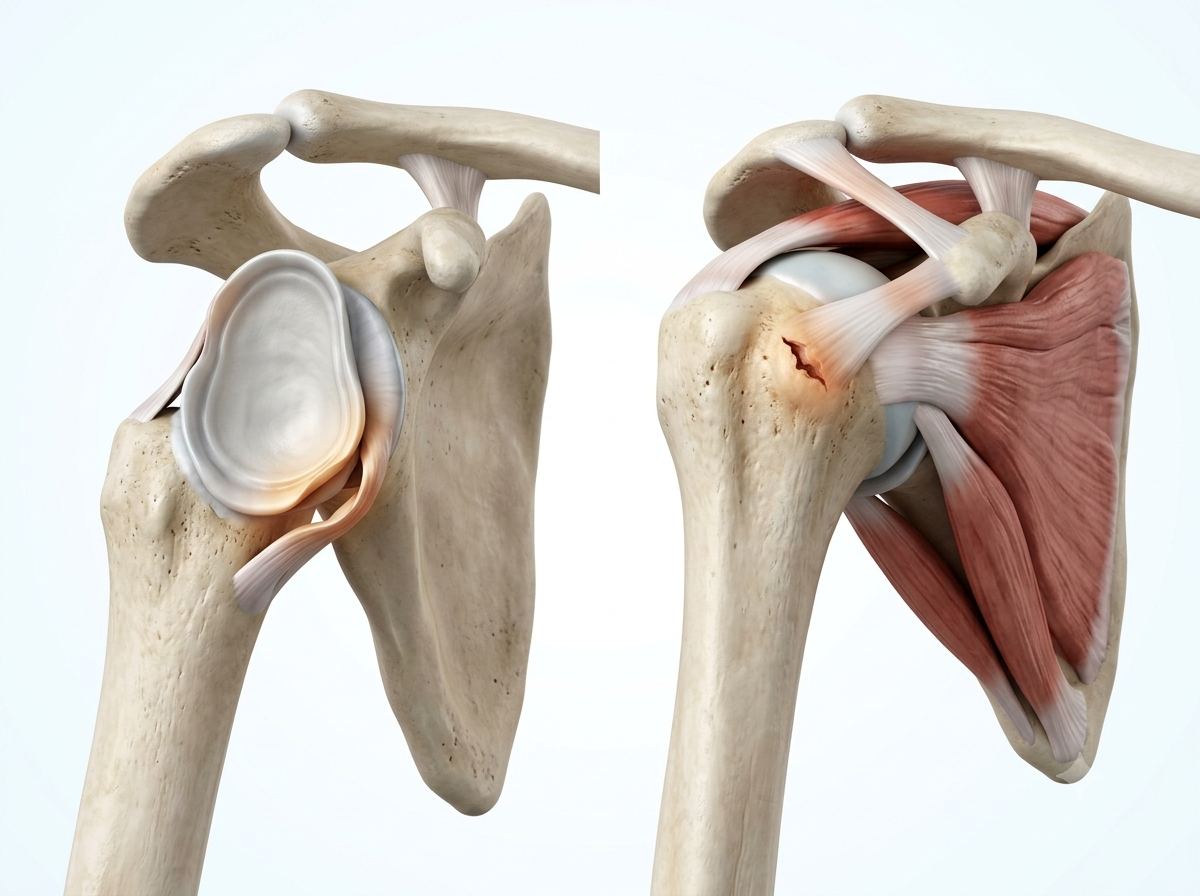
Bankart Tear and Rotator Cuff Tear Are Not the Same Thing
Frequently Asked Questions About Bankart Repair
Bankart repair is a shoulder stabilization procedure in which the torn anterior-inferior labrum and associated capsular tissue are repaired back to the glenoid. It is now commonly performed arthroscopically through small portals.