Orthopedics · Eva Hospital, Ludhiana

Hip Replacement Surgery in Ludhiana

Personalised evaluation and total hip replacement for patients with advanced hip arthritis, avascular necrosis, certain hip fractures, and persistent hip pain affecting everyday life.

At Eva Hospital, Dr. Tanveer Bhutani evaluates the cause of hip pain, reviews the patient’s X-rays and overall health, and recommends surgery only when the expected benefits justify the procedure.

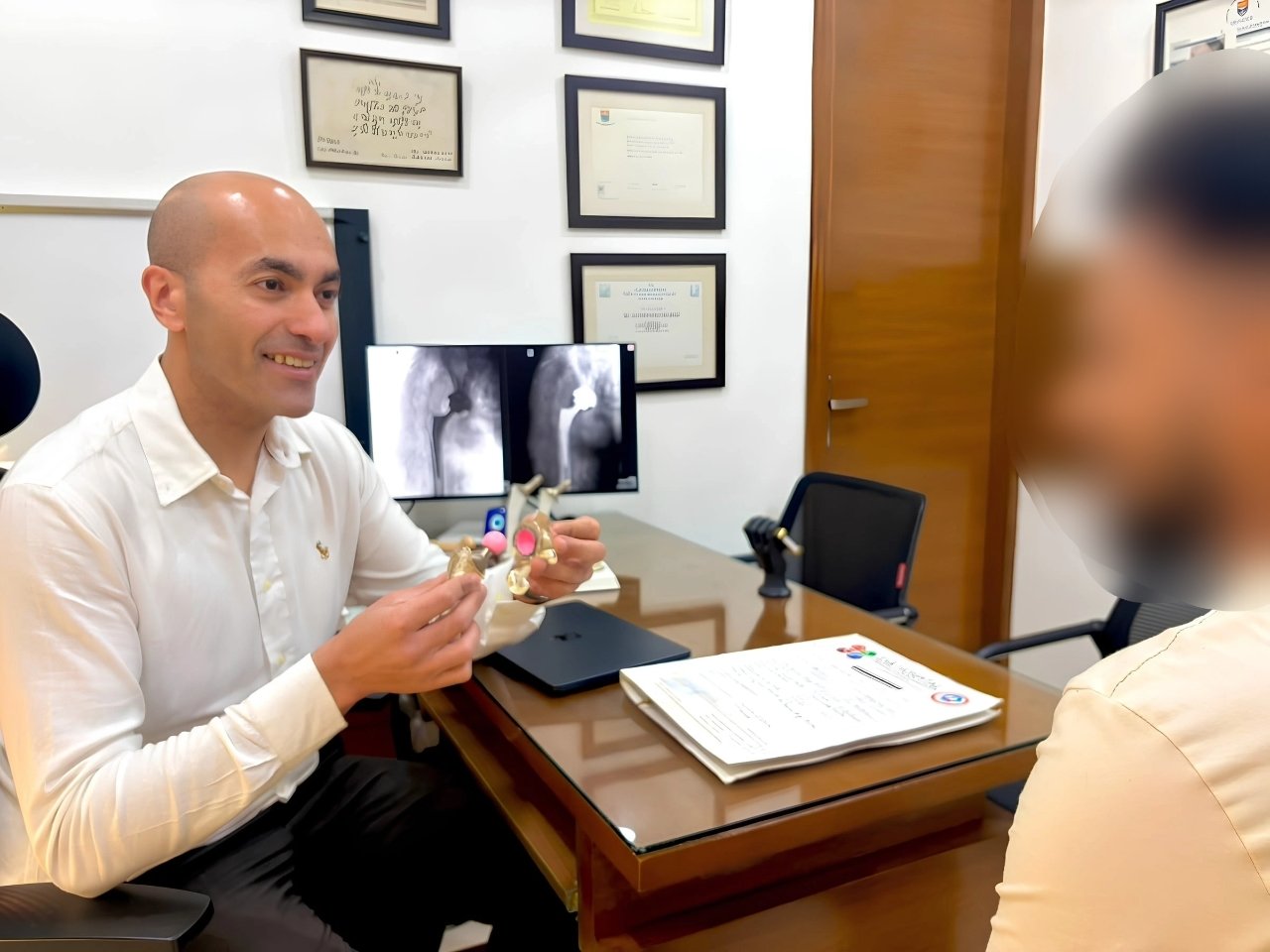
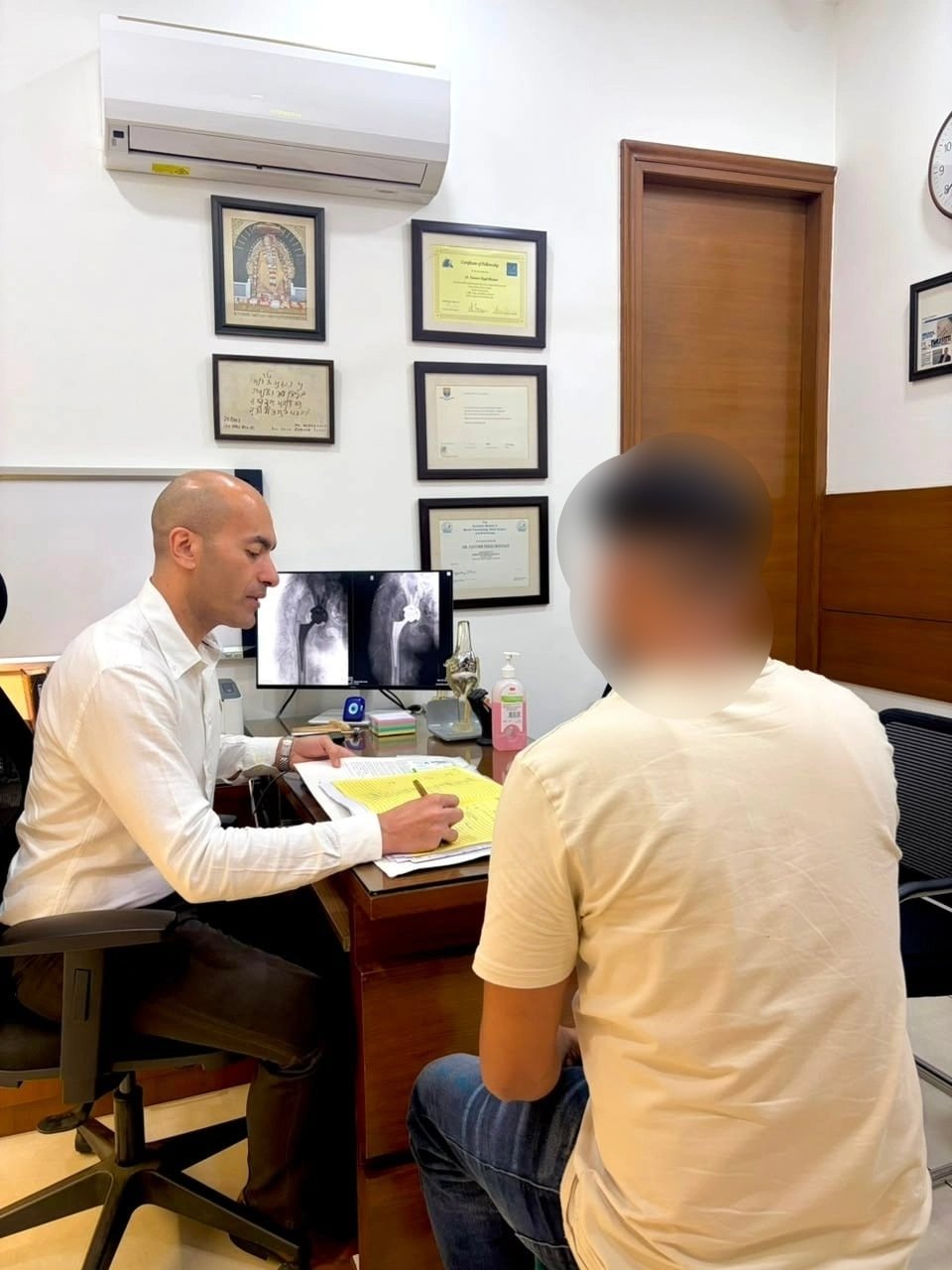
Dr. Tanveer Bhutani discussing hip replacement surgery with a patient at EVA Hospital Ludhiana
NABH Accredited
ECHS Empanelled
Surgeon-Led Care
24/7 Emergency Support
NABH Accredited
ECHS Empanelled
Surgeon-Led Care
24/7 Emergency Support

Overview

Understanding Hip Replacement Surgery

Hip pain can gradually make walking, climbing stairs, getting into a car, sleeping comfortably, and performing routine activities increasingly difficult. In many patients, symptoms can initially be managed with medication, activity modification, physiotherapy, or walking support.

When the hip joint becomes severely damaged and these measures no longer provide adequate relief, hip replacement surgery may be considered. Total hip replacement is an operation in which the damaged ball-and-socket surfaces of the hip are replaced with artificial components, with the goal of reducing pain, improving joint movement, and helping the patient return to greater independence.

At Eva Hospital in Ludhiana, every patient is assessed individually by Dr. Tanveer Bhutani. The decision to recommend surgery is based on the diagnosis, severity of joint damage, symptoms, functional limitations, medical fitness, and the patient’s expectations.

The Procedure

What Is Total Hip Replacement?

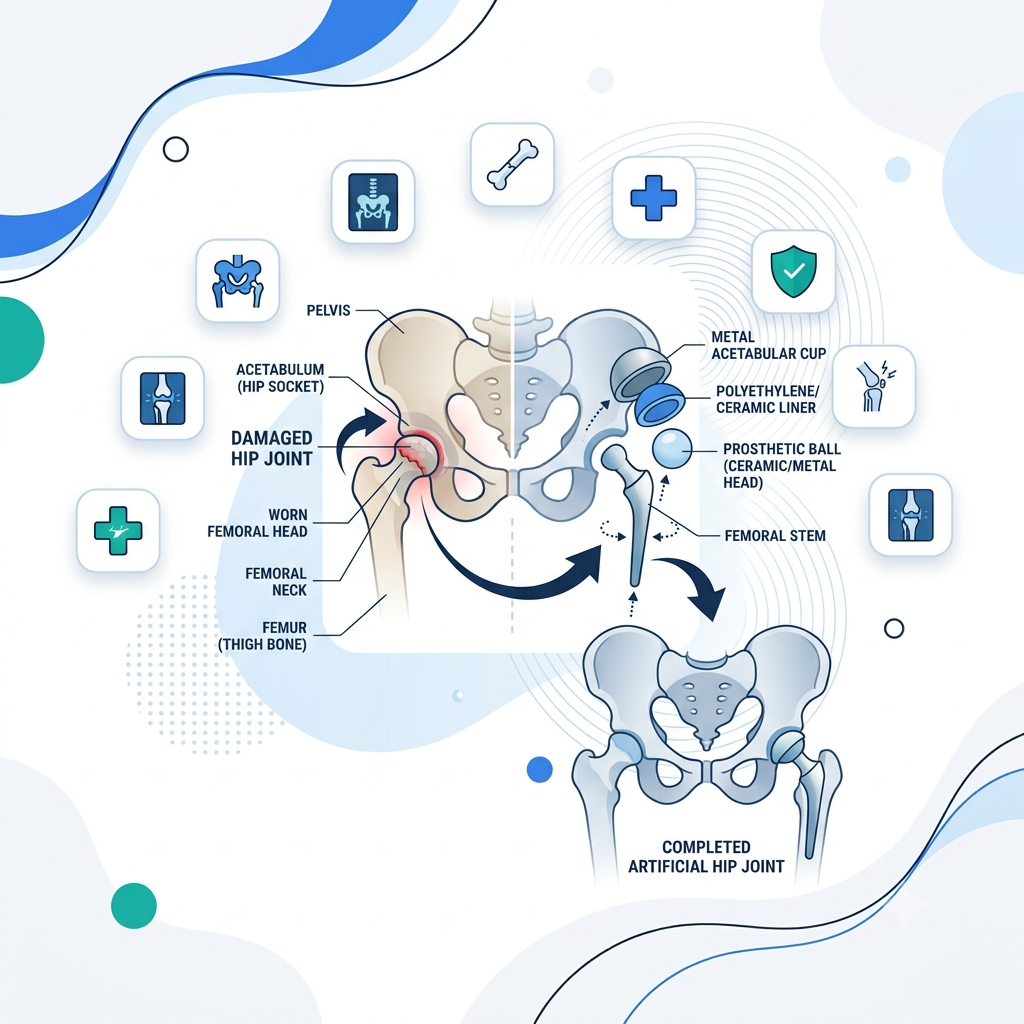
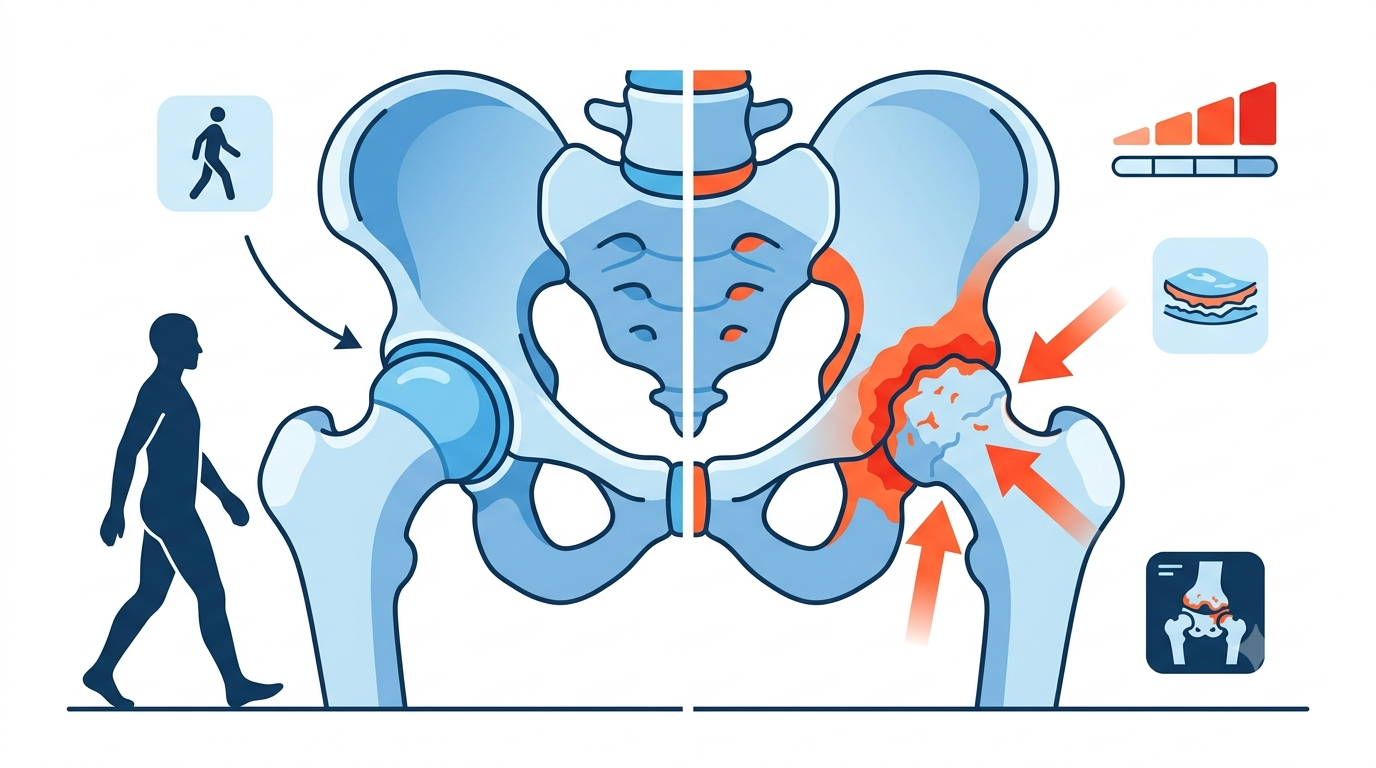
The hip is a ball-and-socket joint. The ball is formed by the head of the femur (thigh bone), while the socket is formed by the acetabulum in the pelvis.

During total hip replacement:

Recognizing the Signs

When May Hip Replacement Be Recommended?

Hip replacement is not recommended solely on the basis of an X-ray. Surgery is considered when the patient’s symptoms, examination findings, and radiological changes together indicate advanced joint damage. A consultation may be appropriate when a patient has:
The final decision is made after clinical examination and review of suitable hip and pelvis X-rays.
Indications

Conditions Treated with Hip Replacement

Osteoarthritis of the Hip

Progressive loss of joint cartilage. As the protective cartilage wears away, the hip may become painful, stiff and increasingly difficult to move.

Avascular Necrosis

Occurs when the blood supply to the femoral head is impaired, which can cause collapse of the bone and joint destruction, sometimes in relatively young adults.

Rheumatoid & Inflammatory Arthritis

Can damage cartilage and bone within the hip, producing pain, stiffness and progressive loss of function.

Fracture of the Femoral Neck

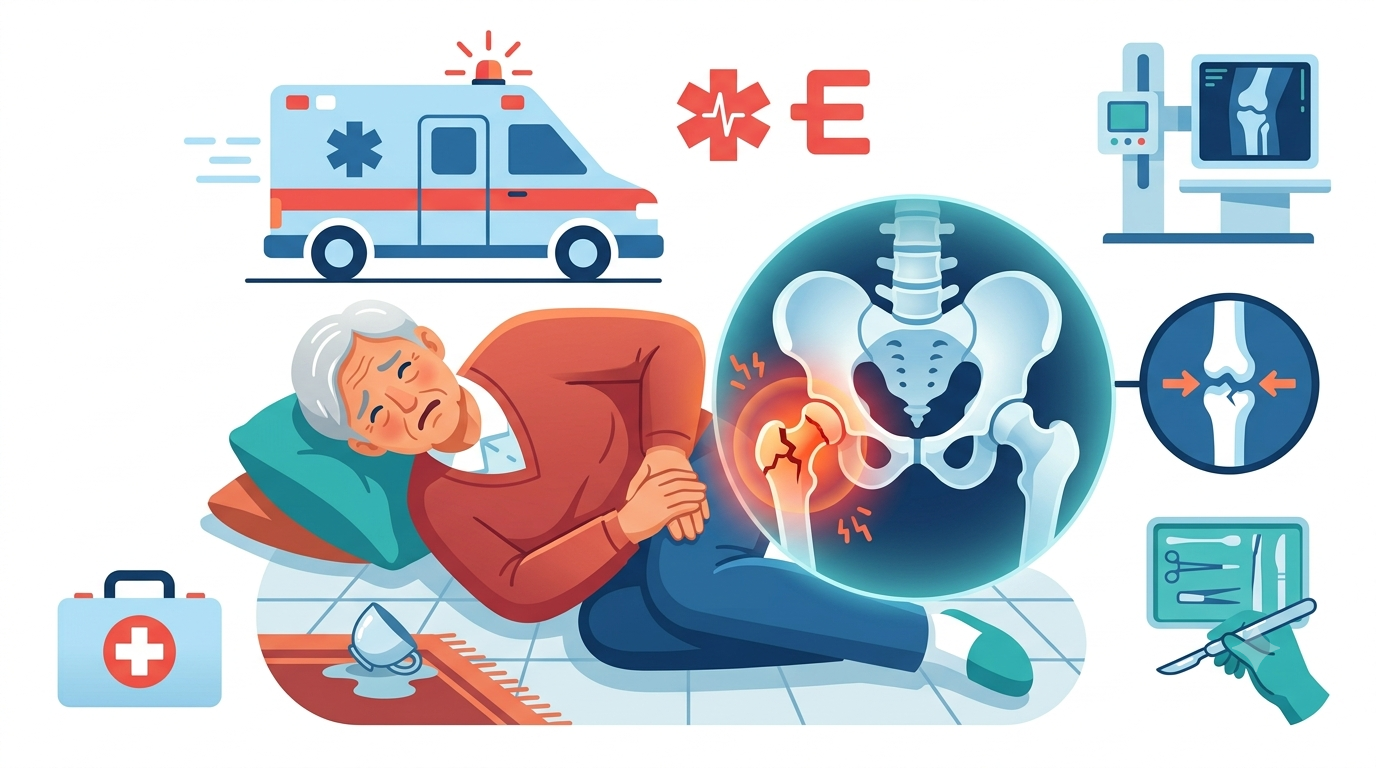
Certain displaced fractures, particularly in older adults, may be treated with partial or total hip replacement depending on age, activity, bone quality and fracture pattern.

Post-Traumatic Arthritis

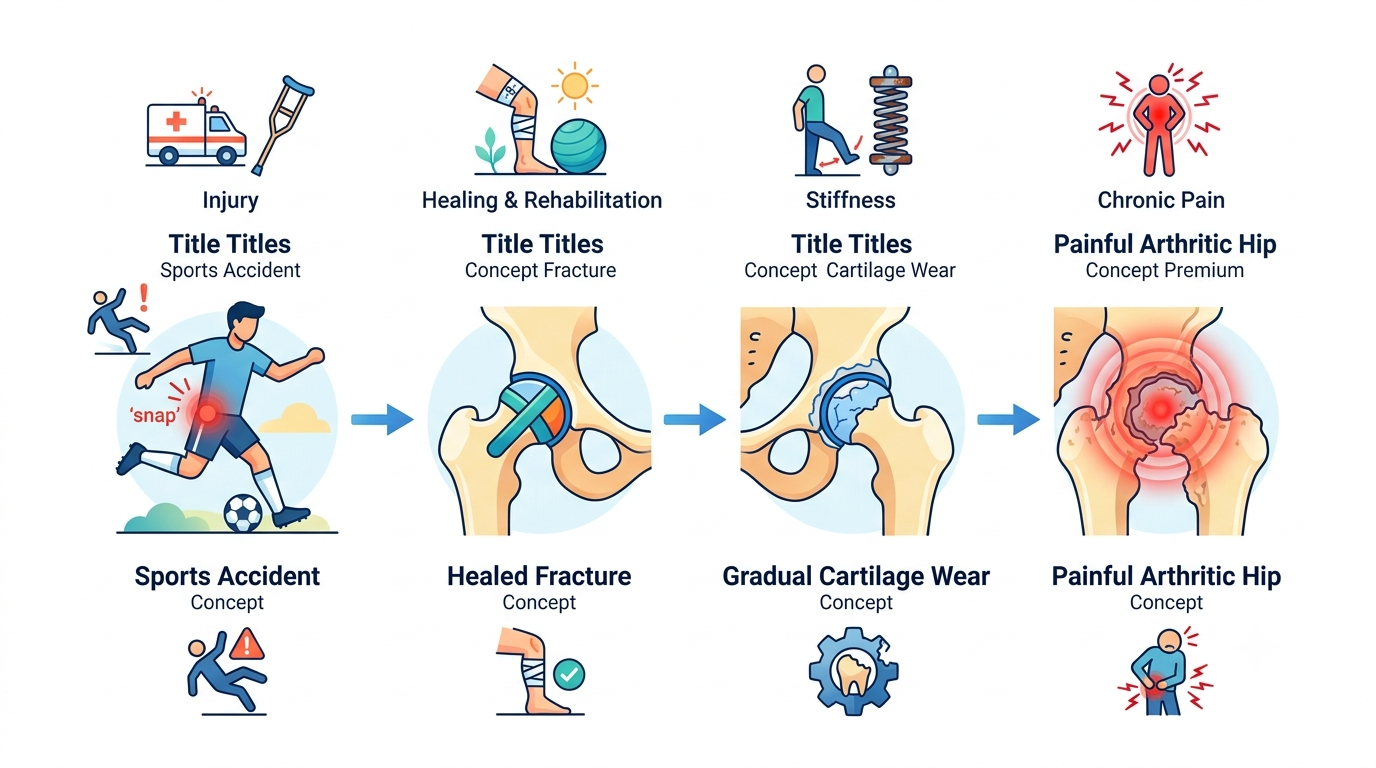
Previous fractures or injuries around the hip may alter joint mechanics and eventually lead to painful arthritis.

Childhood or Developmental Hip Disorders

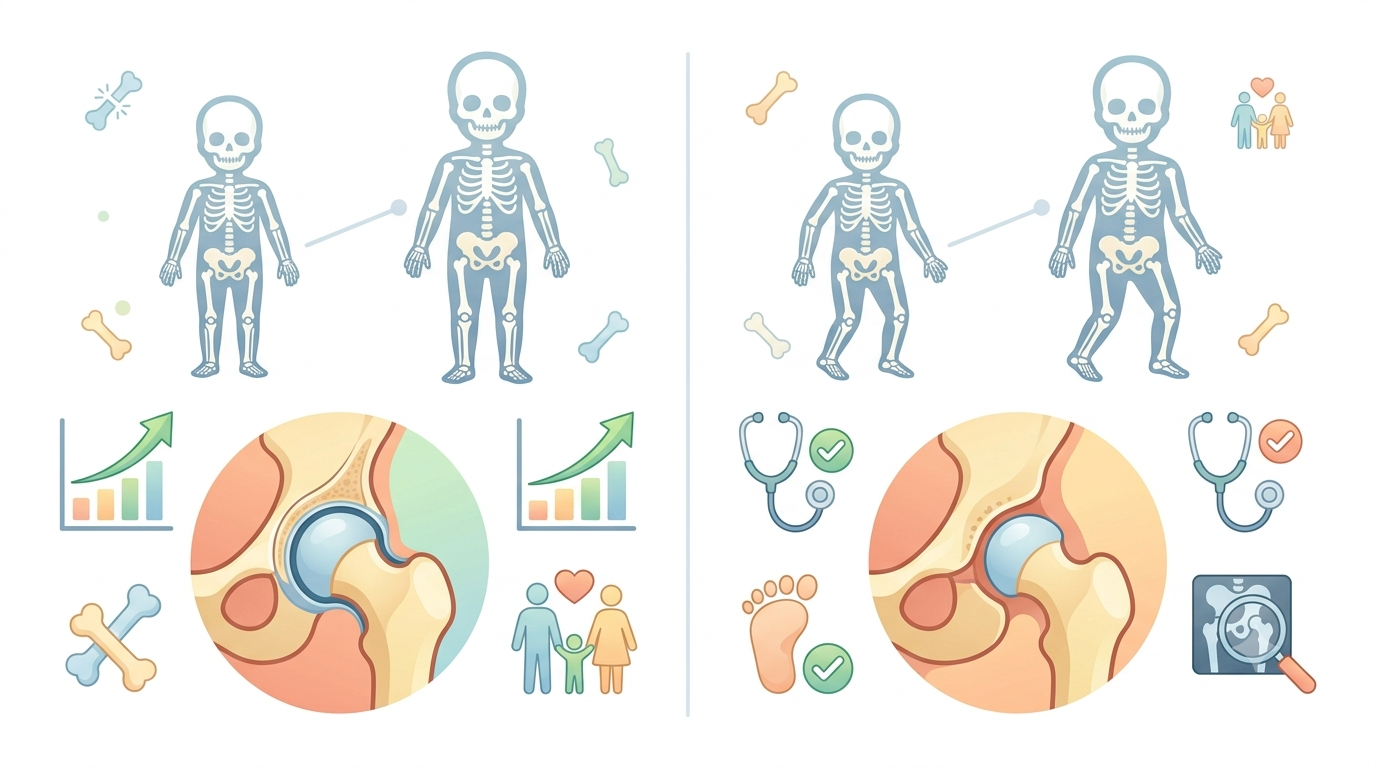
Developmental dysplasia, slipped upper femoral epiphysis, or childhood hip disease may cause abnormal anatomy and secondary arthritis later in life.

Non-Surgical Options

Is Hip Replacement Always Necessary?

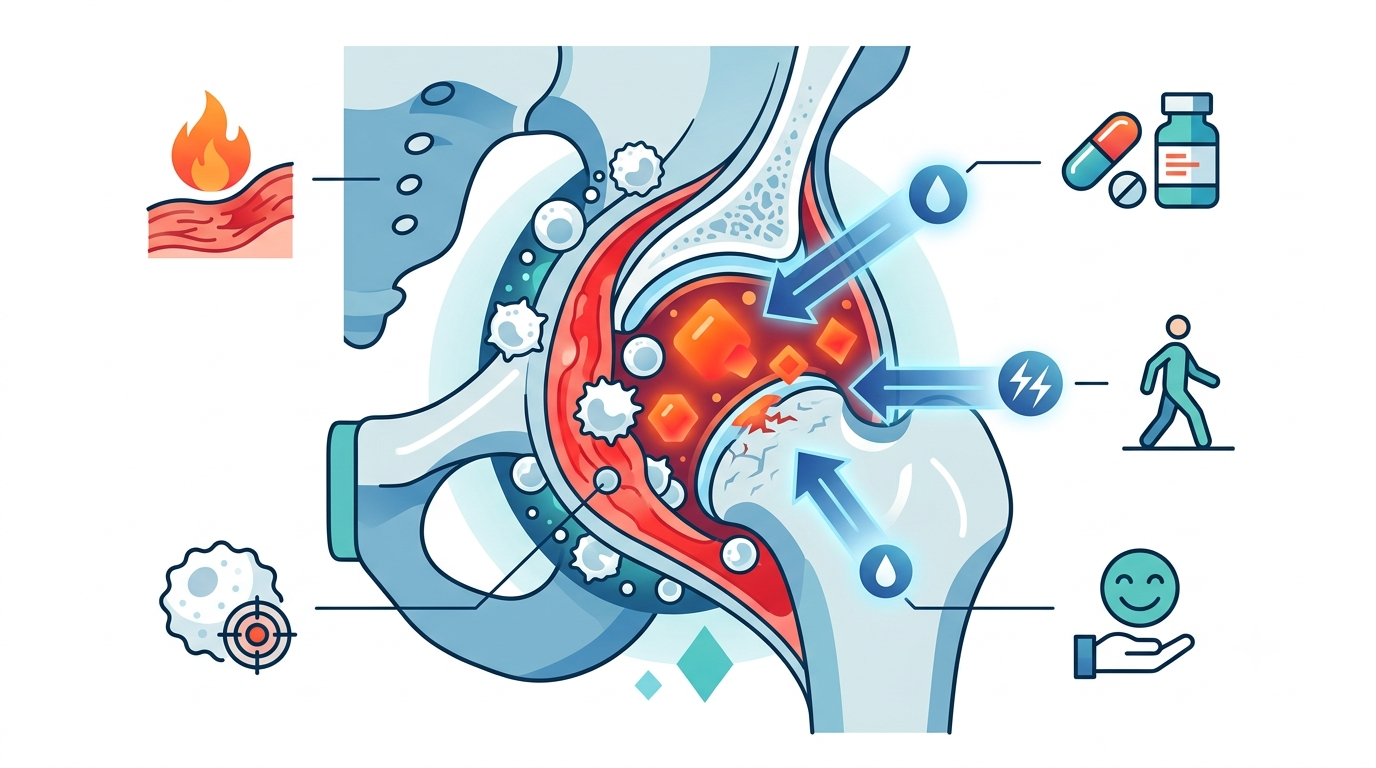
Not every patient with hip pain or arthritis requires immediate surgery. Depending on the diagnosis and severity of symptoms, initial treatment may include:

These measures may reduce symptoms, but they do not reverse advanced structural damage to the hip joint. If pain and disability continue despite appropriate nonsurgical care, hip replacement may be discussed.
The purpose of consultation is not simply to schedule an operation. It is to establish the diagnosis and determine whether surgery is currently the most appropriate option.
Procedures

Types of Hip Replacement Procedures

Total Hip Replacement

Both the damaged femoral head and the acetabular socket are replaced. This is the most common form for advanced arthritis and avascular necrosis.

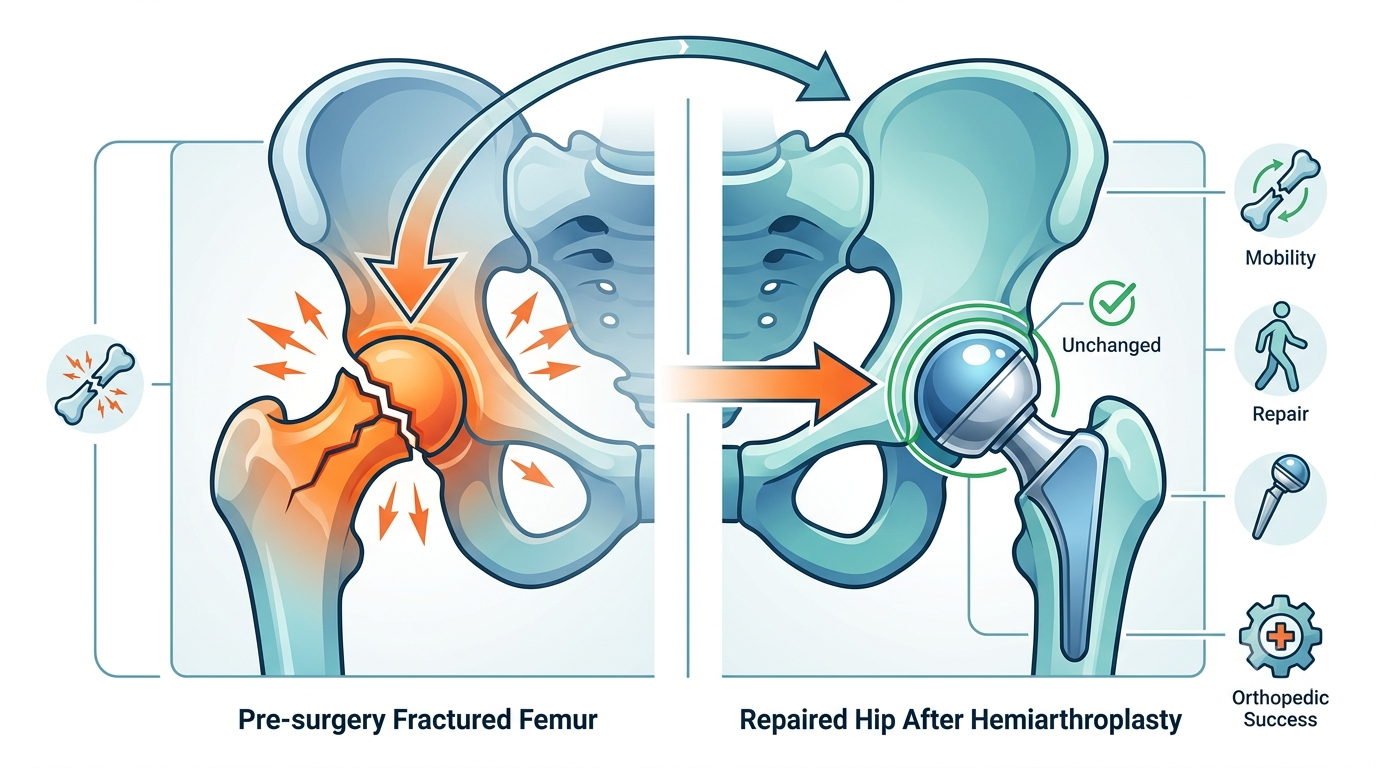
Partial Hip Replacement (Hemiarthroplasty)

Only the femoral side of the joint is replaced. Commonly considered for selected femoral-neck fractures, particularly in less active or medically frail older patients.

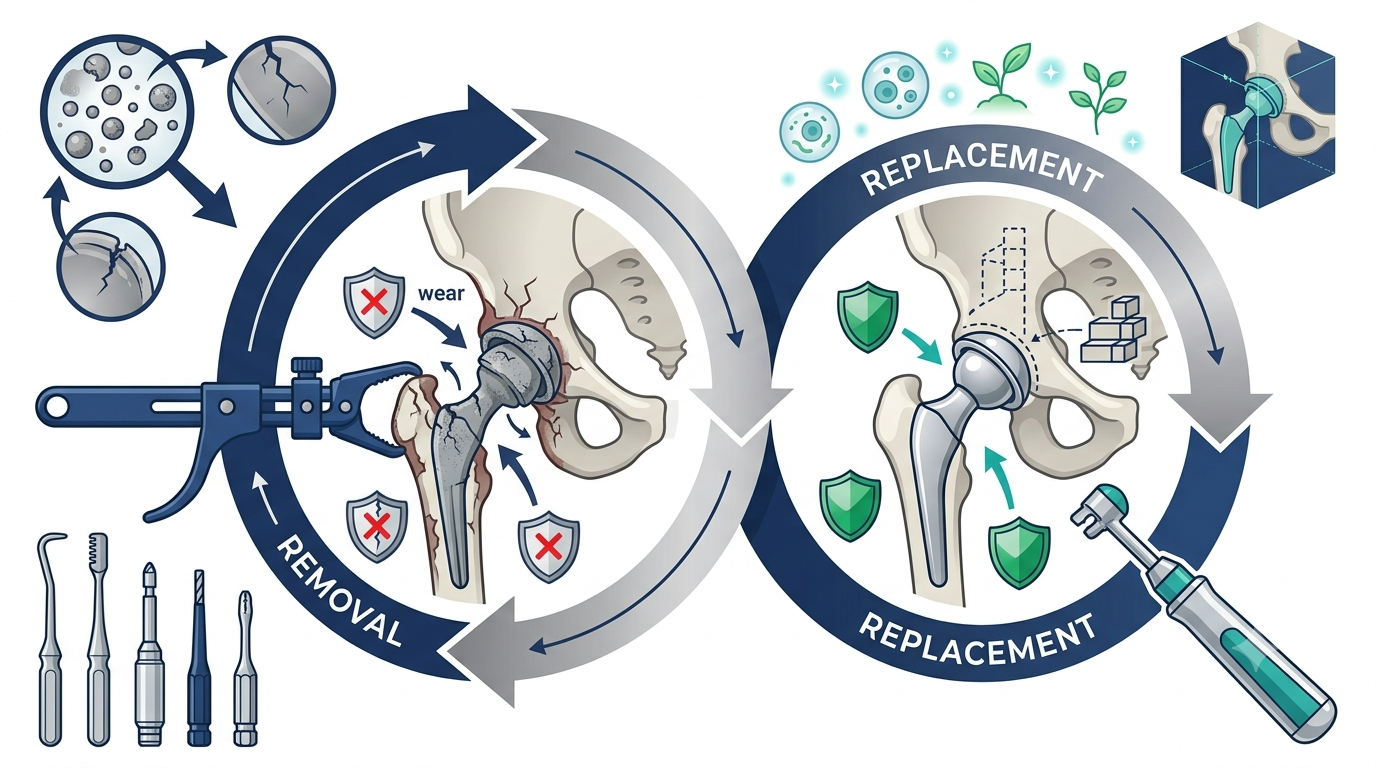
Revision Hip Replacement

Performed when a previous hip replacement has developed a problem such as loosening, wear, recurrent dislocation, fracture, or infection. Generally more complex than primary hip replacement.

Before Surgery

Personalised Planning Before Hip Replacement

Careful planning begins before the day of surgery. Dr. Tanveer Bhutani evaluates the patient’s symptoms, limb alignment, hip movement, walking pattern, muscle strength, and any apparent difference in leg length.

The preoperative process may include:

The objective of planning is to select components that suit the patient’s anatomy while aiming to restore hip stability, leg length, offset, and functional movement as safely as possible.

The Operation

How Is Total Hip Replacement Performed?

Hip replacement is performed under appropriate anaesthesia after assessment by the anaesthesia team. During the operation:

The exact procedure, fixation method, and implant combination may differ depending on the patient’s age, anatomy, bone quality, activity level, and diagnosis.

Materials

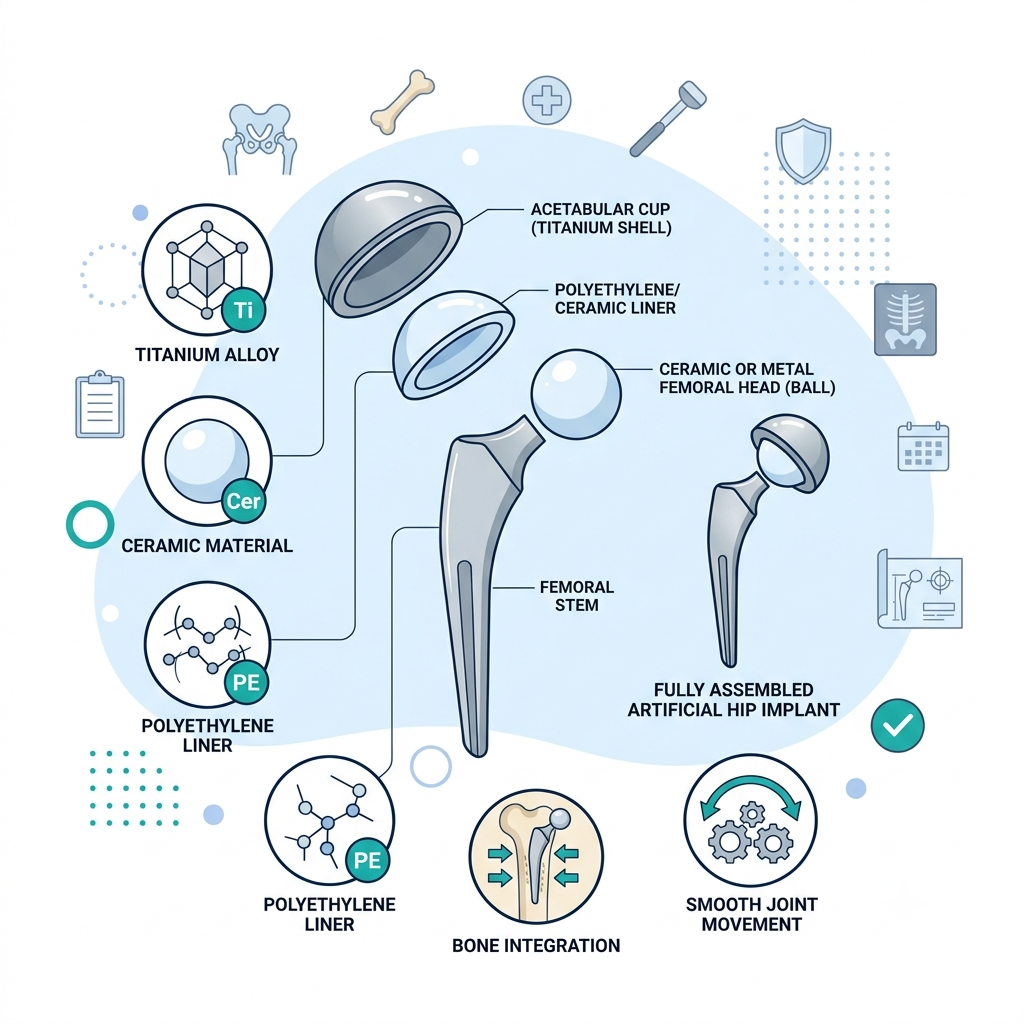
What Is an Artificial Hip Made Of?

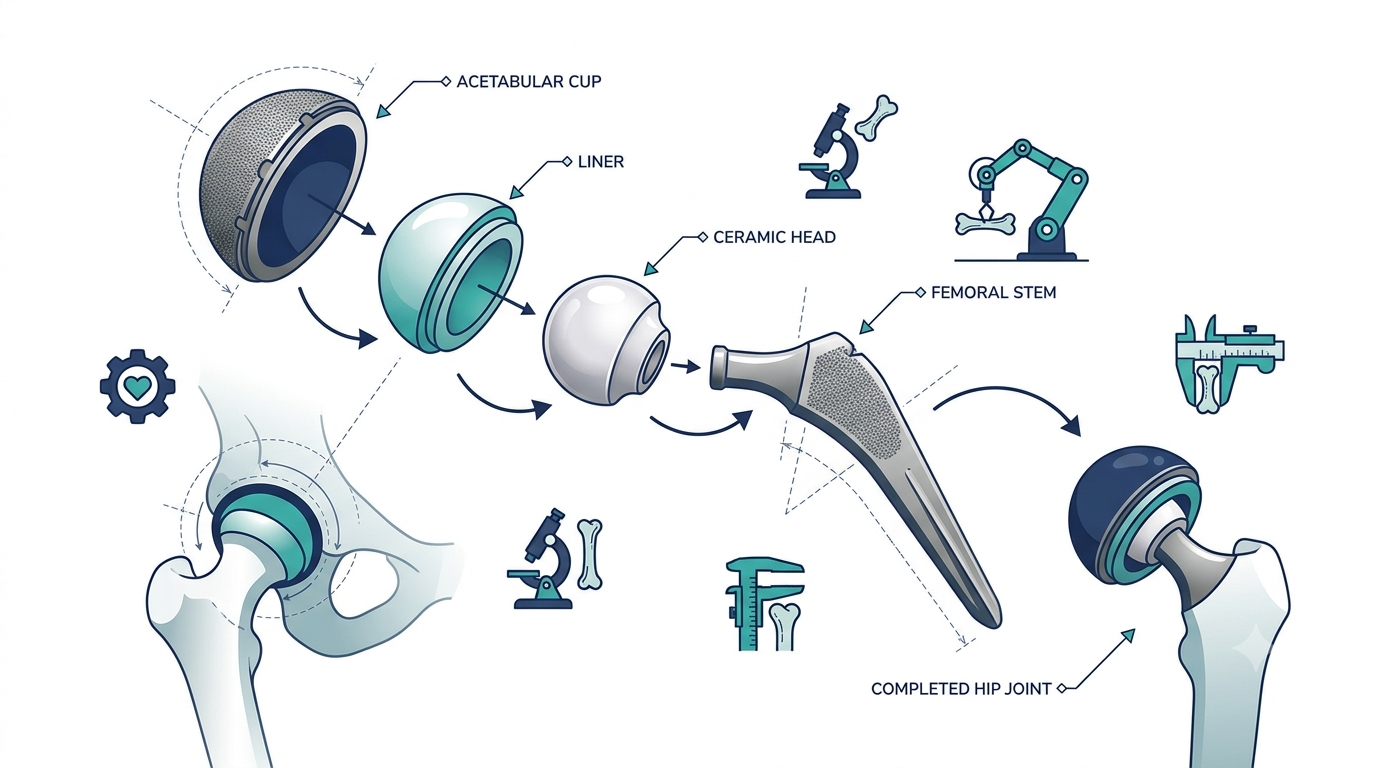
A modern total hip replacement generally contains:

Implant components may be made from combinations of titanium or cobalt-chromium alloys, ceramic, and highly cross-linked polyethylene. Common bearing combinations include a ceramic or metal femoral head articulating against a polyethylene liner.The appropriate implant is selected according to the patient’s anatomy, bone quality, age, activity demands and clinical requirements. No implant is universally suitable for every patient.
Fixation Method

Cemented or Uncemented Fixation

Hip replacement components may be fixed to the bone using bone cement or may be designed for biological bone ingrowth.

Uncemented Components

Specialised surfaces allow bone to grow onto or into the implant over time. Frequently used when bone quality and anatomy are suitable.

Cemented Components

Uses surgical bone cement to secure the component. May be selected in certain older patients or where bone quality makes cemented fixation more appropriate.

Hybrid Hip Replacement

Combines cemented fixation on one side of the joint with uncemented fixation on the other.
The choice is made by the surgeon according to the patient’s bone quality, anatomy, diagnosis and intraoperative findings.

Technique

Which Surgical Approach Is Used?

Hip replacement can be performed through different surgical approaches. Each approach has recognised advantages, limitations, and technical considerations. Dr. Tanveer Bhutani selects the approach according to the patient’s anatomy, diagnosis, previous surgery, deformity, and the requirements of the planned reconstruction.

The most important priorities are:

After Surgery

Recovery and Rehabilitation After Hip Replacement

Recovery varies between patients. Age, muscle strength, preoperative mobility, bone quality, associated medical conditions, and the complexity of surgery can all influence progress.

Early postoperative care generally focuses on:

Many patients are encouraged to stand and begin walking with assistance soon after surgery, subject to the surgeon’s instructions and their medical condition. The physiotherapy programme is adapted to the operation performed and the patient’s progress.

Milestones

Typical Recovery Milestones

Day of Surgery / Day 1

Pain management, circulation and breathing exercises, sitting out of bed, standing or walking with assistance when medically appropriate.

First Few Days

Walking with a walker or suitable support; physiotherapy; learning safe transfers; stair training where required; discharge planning.

2–6 Weeks

Gradual increase in walking, regular prescribed exercises, wound review and follow-up, decreasing dependence on walking support.

6–12 Weeks

Improvement in strength and endurance, progression of exercises, increasing independence; return to driving and work only after clearance.

Following Months

Continued improvement in confidence, muscle strength and walking; gradual return to suitable low-impact activities; periodic follow-up when advised.
These are broad milestones rather than guaranteed deadlines. Recovery instructions differ according to the surgical approach, implant fixation, diagnosis, patient health and individual progress.

Realistic Expectations

What Can Hip Replacement Achieve?

The principal objectives of total hip replacement are:

Most patients undergo hip replacement primarily for pain relief and functional improvement. However, the result varies between individuals, and surgery cannot guarantee a completely pain-free hip or unrestricted participation in every activity. High-impact activities may not be advisable after hip replacement — discuss future exercise, sport, occupational demands and travel plans with the treating team.

Being Honest

Risks of Hip Replacement Surgery

Hip replacement is a well-established procedure, but it remains major surgery and has potential risks. These are discussed as part of informed consent. Possible complications include:
The individual level of risk depends on factors including age, general health, diabetes, smoking, obesity, bone quality, medications, previous surgery, and the complexity of the procedure.
The purpose of discussing risk is not to discourage appropriate surgery, but to allow each patient to make an informed decision and participate in measures that reduce avoidable complications.

Seek Help Promptly

When Should a Patient Contact the Hospital?

Patients should contact their treating team promptly if they develop:
Chest pain or sudden difficulty breathing requires urgent medical attention.
Dr Tanveer bhutani Ortho surgeon

Your Surgeon

Hip Replacement Surgery by Dr. Tanveer Bhutani

Dr. Tanveer Bhutani is an orthopaedic surgeon at Eva Hospital, Ludhiana, with a clinical focus on joint replacement surgery, including primary and complex hip replacement.

His approach begins with identifying the actual source of the patient’s pain and determining whether symptoms arise from the hip joint, the spine, or another surrounding structure. Surgery is recommended only after correlating the patient’s symptoms, clinical examination, and imaging findings.

For patients undergoing hip replacement, Dr. Tanveer Bhutani places particular emphasis on:

Patients are counselled regarding the expected benefits, limitations, recovery pathway, and possible complications before making a treatment decision.

Milestones

Hip Replacement Care at Eva Hospital, Ludhiana

Hip replacement care at Eva Hospital is organised around evaluation, surgical planning, hospital care and structured rehabilitation. The treatment pathway includes:

Consultation and diagnosis
Medical and anaesthesia assessment
Implant and surgical planning
Surgery and hospital care, with infection-prevention and blood-clot precautions
Physiotherapy and mobilisation
Discharge and postoperative follow-up
Patient Experiences

Experiences of Patients Treated for Hip Problems

G
★★★★★
✓ Verified
Before surgery, I relied on a wheelchair. After knee replacement — no pain, no fear — just a free, confident walk. Grateful beyond words! It’s been 3 months since my robotic knee replacement surgery, and I’m extremely satisfied with the results. Thanks to Dr. Tanveer Singh Bhutani, I’m now walking comfortably and living pain-free after years of discomfort. His expertise, care, and the support of his team made all the difference. Grateful beyond words for giving me a new lease on life!
R
★★★★★
✓ Verified
I Rakesh Bhardwaj recently had knee replacement surgery under the care of Dr Tanveer Bhutani. From the very first consultation I was impressed by professionalism and the way he explained everything in a clear and reassuring manner. Just two days after the operation I was able to start walking with support, and after 40 days I walking comfortably on my own. And after 45 days, I can fold my legs,sit properly, the improvement in such a short time has been incredible, I truly feel like I am getting my life back.

Dr Bhutani is not only a excellent surgeon but also a kind and compassionate human being. His positive attitude and caring nature made a big difference in my recovery.The hospital environment was also very good, room' was clean,well maintained and staff was supported throughout.

I am extremely satisfied with the treatment and care I received from Dr Bhutani and his team. I would highly recommend him to any one considering knee replacement surgery. You will be in very capable and caring hands
B
★★★★★
✓ Verified
Four months ago, my wife underwent robotic knee replacement for both knees under the care of Dr. Tanveer Bhutani. She had been living with severe knee deformity and constant pain, and walking even a short distance was becoming impossible. Life had truly become a struggle.

With the expertise and guidance of Dr. Tanveer, my wife surgery was successful and her recovery journey has been nothing short of life-changing. Today, just 4 months later, she is walk freely, without pain, and with confidence she had almost lost.

Dr. Tanveer Bhutani is not only a highly skilled surgeon but also a compassionate doctor who listens, understands, and supports his patients like family. His use of advanced robotic technology made the entire process smooth and my wife recovery much faster than she ever imagined.

I am deeply thankful to him for giving my betterhalf a new life and new hope.
D
★★★★★
✓ Verified
I recently had robotic knee replacement surgery with Dr.Tanveer Singh Bhutani at Eva Hospital, and I am beyond grateful for the life-changing results. Before the surgery, I was full dependent on wheelchair, No able to walk, I couldn't even go to the washroom, without anyone's help.

After the post-surgery, I am now walking independently and even cycling—activities I never thought I'd be able to do again. The precision of the robotic-assisted surgery has made a remarkable difference, allowing for a faster recovery and significantly less pain. Dr.Tanveer Singh was not only professional and highly skilled but also compassionate and supportive throughout the entire process.

During the surgery the staff were fantastic as well. They made sure I was comfortable, informed, and well cared for at every stage, from pre-op to post-op. The facility was top-notch, and I always felt like I was in great hands.

I cannot thank Tanveer Singh Bhutani and the team at Eva Hospital enough for giving me my mobility back and helping me regain my independence. I highly recommend them to anyone considering knee replacement surgery!

Frequently Asked Questions About Hip Replacement

Hip replacement may be considered when hip pain, stiffness and loss of movement significantly interfere with walking, sleep, work or daily activities and appropriate nonsurgical treatment is no longer providing sufficient relief. The decision is based on symptoms, examination and X-rays rather than on X-rays alone.
Pain from the hip joint is commonly felt in the groin, front of the thigh or buttock. It may occasionally travel towards the knee. Because back and hip conditions can produce overlapping symptoms, clinical examination is important.
The damaged femoral head is replaced with a ball attached to a stem inside the femur. The damaged socket is fitted with an acetabular cup and liner, forming a new artificial ball-and-socket joint.
No. Total hip replacement replaces both the femoral and acetabular sides of the joint. Partial hip replacement replaces only the femoral side and is commonly used for selected fractures of the femoral neck.
Many patients begin standing and walking with assistance soon after surgery. The exact timing and amount of weight-bearing depend on the procedure, implant fixation, bone quality and the surgeon’s instructions.
The duration of walker use varies according to the patient’s age, balance, muscle strength, bone quality, implant fixation and progress with physiotherapy. Some patients progress to a walking stick within a few weeks, while others may require support for longer. Walking aids should be reduced only after assessment by the surgeon or physiotherapist, rather than according to a fixed timeline.
Hospital stay depends on medical fitness, pain control, mobility, home support and the complexity of surgery. Discharge is considered when the patient is medically stable and can mobilise safely according to the rehabilitation plan.
Driving should resume only when the wound is healing, the patient is no longer taking impairing medication, can enter and exit the vehicle safely, and can perform an emergency stop confidently. Clearance from the treating surgeon is advisable.
The surgeon aims to restore appropriate leg length while maintaining hip stability and correct implant positioning. A small perceived or actual difference can occasionally remain. Some apparent inequality may also arise from pelvic tilt, spinal deformity or longstanding muscle contracture.
Dislocation is an uncommon but recognised complication, particularly while the tissues around the hip are healing. Patients may be advised to avoid certain movements during the early recovery period depending on the surgical approach and individual risk.
Modern implants are designed for long-term use, but no implant can be guaranteed to last for a specific number of years. Longevity depends on age, activity level, body weight, bone quality, implant type, positioning and other patient-related factors.
Walking, cycling, swimming and other low-impact activities are commonly encouraged after adequate recovery. Running, jumping, contact sports and repetitive high-impact exercise may place greater stress on the implant and should be discussed individually.
Recognised risks include infection, blood clots, dislocation, fracture, leg-length difference, nerve or blood-vessel injury, persistent pain, implant wear or loosening, and anaesthetic or medical complications. The individual risk profile is discussed before surgery.

Hip replacement may be recommended when avascular necrosis has caused collapse of the femoral head, advanced arthritis and substantial pain or disability. Earlier-stage disease may have other treatment options.
Patients can call or WhatsApp EVA Hospital to arrange a consultation with Dr. Tanveer Bhutani. Where available, they should bring previous X-rays or scans, medical records and a current list of medications.

Consult Dr. Tanveer Bhutani for Persistent Hip Pain

Persistent hip pain does not automatically mean that surgery is required. A clinical evaluation can help establish the cause of the pain, assess the extent of joint damage, and determine whether physiotherapy, medication, another treatment, or hip replacement is appropriate.
Hip Replacement

Send Message

Consult our specialists for accurate diagnosis and effective treatment solutions.

pop up