
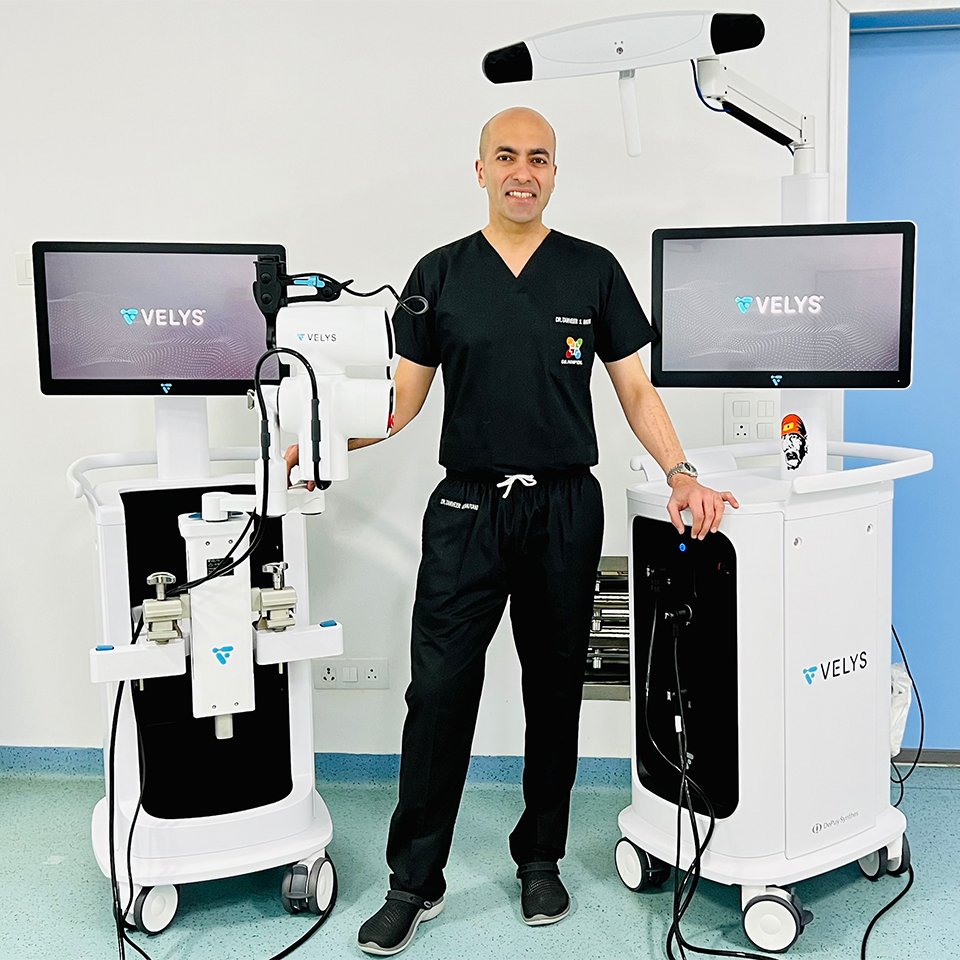
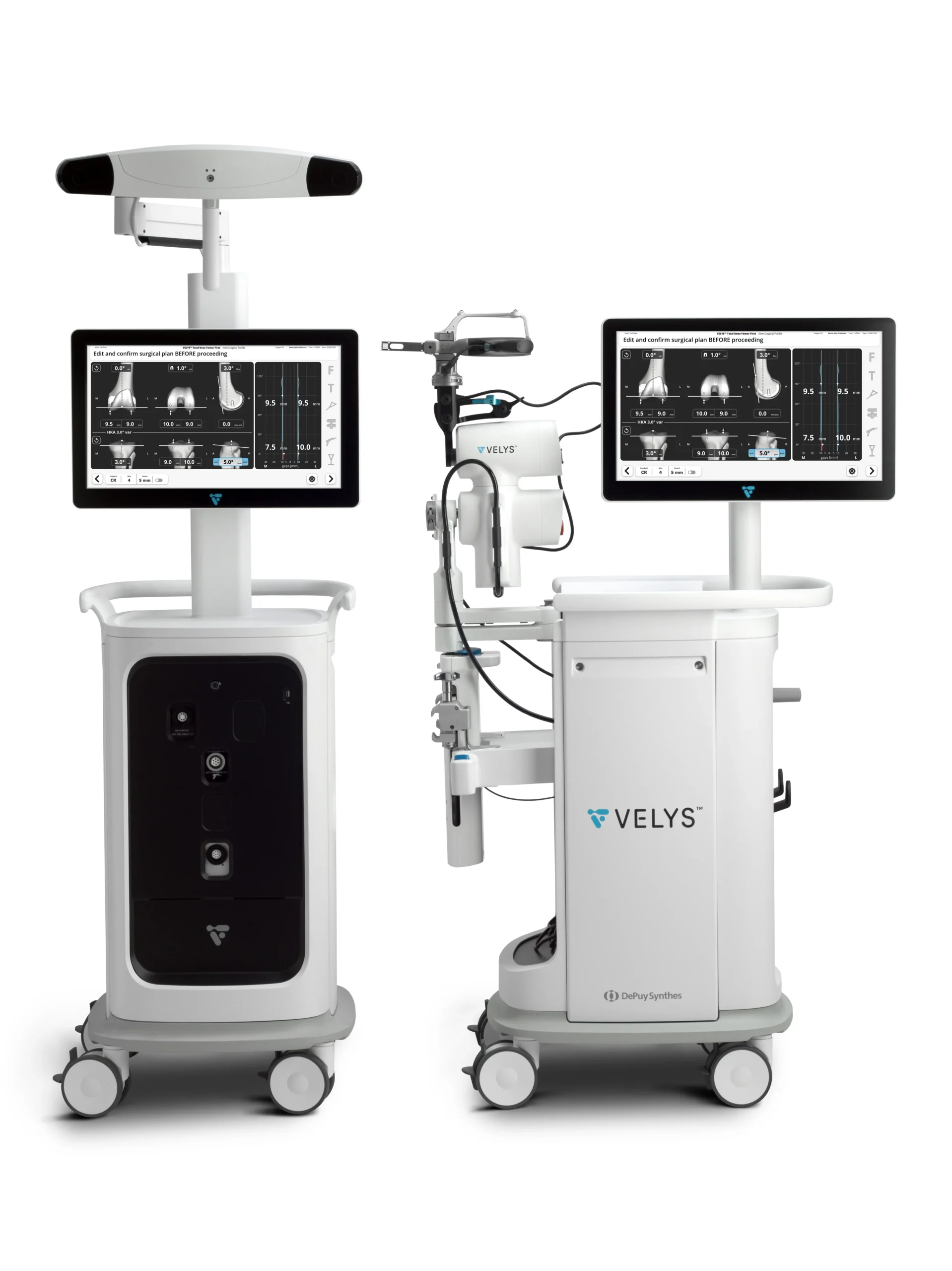

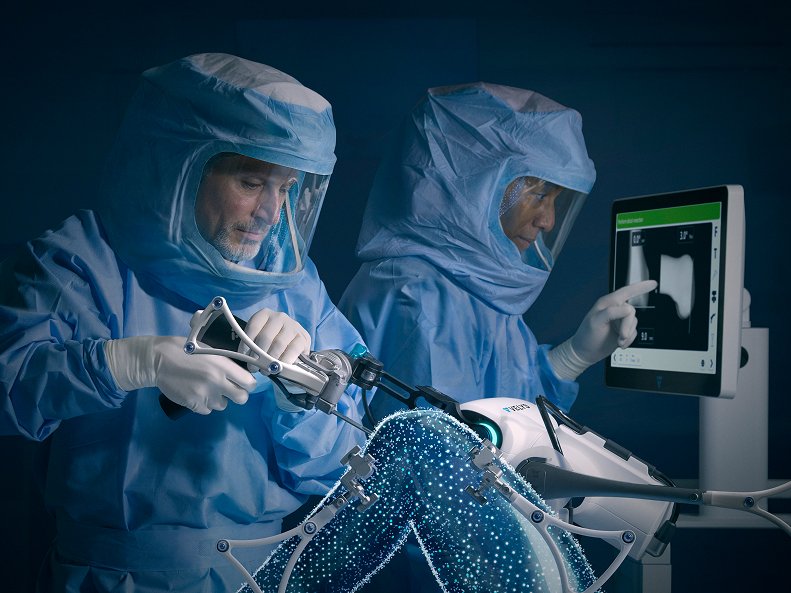
Does the Robot Perform the Surgery?
No. The surgeon performs the operation.The robotic system does not work independently and does not replace the surgeon. It acts as an advanced surgical assistant, providing real-time data to help the surgeon plan bone cuts, assess alignment, check ligament balance, and position the implant accurately.The final decisions during surgery are made by the surgeon.


G

★★★★★
✓ Verified
Before surgery, I relied on a wheelchair. After knee replacement — no pain, no fear — just a free, confident walk. Grateful beyond words! It’s been 3 months since my robotic knee replacement surgery, and I’m extremely satisfied with the results. Thanks to Dr. Tanveer Singh Bhutani, I’m now walking comfortably and living pain-free after years of discomfort. His expertise, care, and the support of his team made all the difference. Grateful beyond words for giving me a new lease on life!
R
★★★★★
✓ Verified
I Rakesh Bhardwaj recently had knee replacement surgery under the care of Dr Tanveer Bhutani. From the very first consultation I was impressed by professionalism and the way he explained everything in a clear and reassuring manner. Just two days after the operation I was able to start walking with support, and after 40 days I walking comfortably on my own. And after 45 days, I can fold my legs,sit properly, the improvement in such a short time has been incredible, I truly feel like I am getting my life back.
Dr Bhutani is not only a excellent surgeon but also a kind and compassionate human being. His positive attitude and caring nature made a big difference in my recovery.The hospital environment was also very good, room' was clean,well maintained and staff was supported throughout.
I am extremely satisfied with the treatment and care I received from Dr Bhutani and his team. I would highly recommend him to any one considering knee replacement surgery. You will be in very capable and caring hands
Dr Bhutani is not only a excellent surgeon but also a kind and compassionate human being. His positive attitude and caring nature made a big difference in my recovery.The hospital environment was also very good, room' was clean,well maintained and staff was supported throughout.
I am extremely satisfied with the treatment and care I received from Dr Bhutani and his team. I would highly recommend him to any one considering knee replacement surgery. You will be in very capable and caring hands
B
★★★★★
✓ Verified
Four months ago, my wife underwent robotic knee replacement for both knees under the care of Dr. Tanveer Bhutani. She had been living with severe knee deformity and constant pain, and walking even a short distance was becoming impossible. Life had truly become a struggle.
With the expertise and guidance of Dr. Tanveer, my wife surgery was successful and her recovery journey has been nothing short of life-changing. Today, just 4 months later, she is walk freely, without pain, and with confidence she had almost lost.
Dr. Tanveer Bhutani is not only a highly skilled surgeon but also a compassionate doctor who listens, understands, and supports his patients like family. His use of advanced robotic technology made the entire process smooth and my wife recovery much faster than she ever imagined.
I am deeply thankful to him for giving my betterhalf a new life and new hope.
With the expertise and guidance of Dr. Tanveer, my wife surgery was successful and her recovery journey has been nothing short of life-changing. Today, just 4 months later, she is walk freely, without pain, and with confidence she had almost lost.
Dr. Tanveer Bhutani is not only a highly skilled surgeon but also a compassionate doctor who listens, understands, and supports his patients like family. His use of advanced robotic technology made the entire process smooth and my wife recovery much faster than she ever imagined.
I am deeply thankful to him for giving my betterhalf a new life and new hope.
D
★★★★★
✓ Verified
I recently had robotic knee replacement surgery with Dr.Tanveer Singh Bhutani at Eva Hospital, and I am beyond grateful for the life-changing results. Before the surgery, I was full dependent on wheelchair, No able to walk, I couldn't even go to the washroom, without anyone's help.
After the post-surgery, I am now walking independently and even cycling—activities I never thought I'd be able to do again. The precision of the robotic-assisted surgery has made a remarkable difference, allowing for a faster recovery and significantly less pain. Dr.Tanveer Singh was not only professional and highly skilled but also compassionate and supportive throughout the entire process.
During the surgery the staff were fantastic as well. They made sure I was comfortable, informed, and well cared for at every stage, from pre-op to post-op. The facility was top-notch, and I always felt like I was in great hands.
I cannot thank Tanveer Singh Bhutani and the team at Eva Hospital enough for giving me my mobility back and helping me regain my independence. I highly recommend them to anyone considering knee replacement surgery!
After the post-surgery, I am now walking independently and even cycling—activities I never thought I'd be able to do again. The precision of the robotic-assisted surgery has made a remarkable difference, allowing for a faster recovery and significantly less pain. Dr.Tanveer Singh was not only professional and highly skilled but also compassionate and supportive throughout the entire process.
During the surgery the staff were fantastic as well. They made sure I was comfortable, informed, and well cared for at every stage, from pre-op to post-op. The facility was top-notch, and I always felt like I was in great hands.
I cannot thank Tanveer Singh Bhutani and the team at Eva Hospital enough for giving me my mobility back and helping me regain my independence. I highly recommend them to anyone considering knee replacement surgery!