
Summary
Issues with fertility due to the blockages of the fallopian tubes may be disheartening, particularly when a woman would like to become pregnant on her own. However, there are various ways to get pregnant nowadays through medical science despite the impaired tubal functioning. This article provides an elaborate step-by-step guide on the manner in which women can proceed even after having received a diagnosis of a tubal blockage.
Through awareness of the condition, recognizing the symptoms, getting effective diagnosis, researching medical and supportive therapies, and developing a personalized fertility program, a good number of women would be able to get a successful pregnancy. All of these steps are aimed at giving strength to readers in knowledge, expectations, and clarity.
Key Notes
- Fallopian tubes play an important role in fertilization and transportation of embryo.
- Blockage of tubes is characterized by different degrees of severity and infertility.
- Diagnosis at the earliest stage enhances success in treatment.
- There are surgical and assisted reproductive alternatives.
- Lifestyle support improves the general reproductive health.
- Emotions should be a vital part of fertility care.
- Treatment plans that are personal are more effective.
Introduction
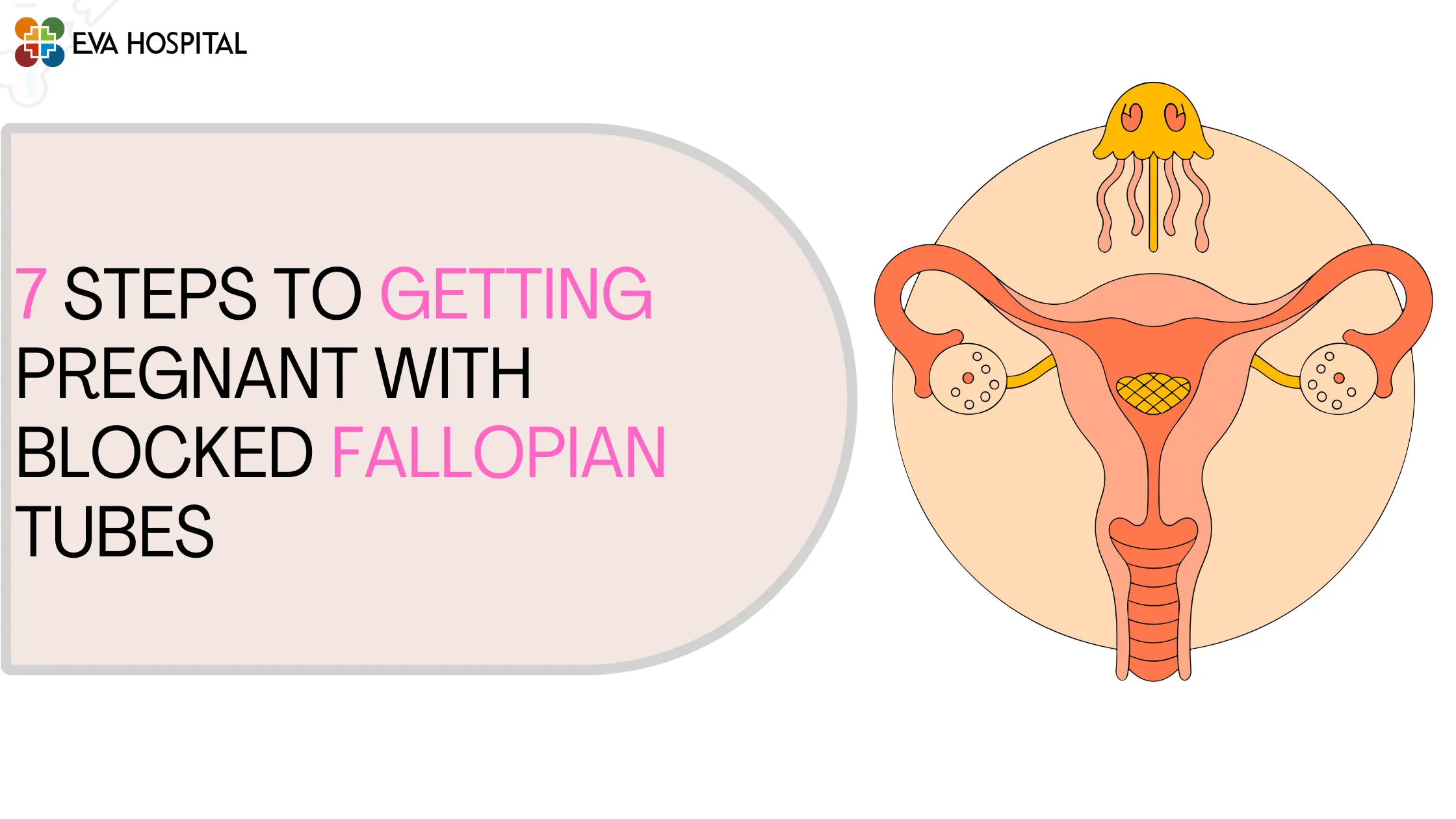
Myself Dr Shivani Bhutani serving for years as the gynae doctor in ludhiana and has delivered many successful IVF cases. The path to parenthood is very intimate, and upon facing the challenges, it may be disorienting as well as economically devastating. Among the more complicated issues with fertility concerns is the damage or blockage in the fallopian tubes. It is these tubes that carry the egg, help fertilize the egg as well as direct the embryo to meet the uterus. Once this route is broken; conception itself becomes challenging and in most cases needs the assistance of a doctor.
A lot of women end up learning about tubal issues after months and years of conception, which may only cause their frustration and uncertainty. Nevertheless, through the modern fertility medicine, what used to be thought of as an irreparable impairment has been turned into a controllable disorder. This article explains 7 steps to getting pregnant with blocked fallopian tubes, offering a clear, structured approach that combines medical insight, supportive care, and informed decision-making.
Step 1: Understanding the Role of Fallopian Tubes in Fertility
Fallopian tubes are not just the mere openings of the highway, but rather dynamic living systems that are necessary in the process of procreation. Every month an egg that is ovulated will enter the tube and fertilization usually happens. The tube next feeds and delivers the fertilized egg to the uterus. Any interruption of this process will diminish the possibilities of getting pregnant.
In case a tube is partially or completely blocked, the sperm might not be able to get to the egg, or the embryo might not arrive in the uterus. The severity on fertility depends on the nature of the affected tubes, the site of the obstruction, and the amount of tissue damage.
### How Tubal Damage Affects Natural Conception
The damage of the tubes may disrupt the pickup of eggs, fertilization, or embryo transportation. Even a small scar may affect the fine cilia running along the tube and make it dysfunctional.
### Why Early Understanding Is Important
The understanding of the relevance of tubal health enables women to pursue early assessment to minimize the delays in the diagnosis and treatment process that may impact the fertility rates.
Step 2: What Causes Tubal Blockage?
The obstruction of the tubes does not happen in isolation; it is normally an outcome of inflammation, infection or mechanical trauma of the reproductive organs. It is also important to know the cause behind it since that will directly determine the success rates and decisions made by the treatment.
The tubes are impacted differently according to different causes. Others cause localized obstruction and others cause widespread scarring to undermine the overall tubal functioning.
### Medical and Infectious Causes
The most common reasons to blocked fallopian tubes include pelvic inflammatory disease, untreated sexually transmitted infections, and chronic inflammation within the pelvic cavity. These diseases normally result in internal scars.
### Surgical and Structural Contributors
Previous abdominal or pelvic surgeries, cesarean sections, or endometriosis can lead to adhesions that restrict or completely block the tubes over time.
Step 3: Recognizing Symptoms and Silent Signs
This is one of the most difficult problems in the case of tubal blockage because it frequently develops without the visible symptoms. Until pregnancy fails to come about, many women are ignorant about the problem.
Although certain physical manifestations can be exhibited, it is not obligatory all the time, and the evaluation of fertility is necessary in case of late conception.
### Physical Symptoms That May Appear
Pelvic pain, painful menstruation, or unusual vaginal discharge can sometimes indicate blocked fallopian tubes symptoms, especially when infection or inflammation is involved.
### Why Symptoms Are Often Absent
In most instances, tubal obstruction does not produce any form of discomfort. This silence underscores the significance of medical testing instead of making use of the physical senses.
Step 4: Diagnostic Methods for Tubal Evaluation
Effective fertility treatment is based on proper diagnosis. There are a number of effective methods that can be used to evaluate tubal patency and other health-related factors in the field of modern medicine.
It is not only accurate testing that leads to the confirmation of the existence of blockage, but also the location and the severity of the blockage that becomes critically important in choosing the most appropriate course of treatment.
### Imaging and Clinical Tests
Hysterosalpingography (HSG), sonohysterography, and diagnostic laparoscopy are among the procedures that enable physicians to see the tubes and any abnormality.
### Importance of Specialist Interpretation
Results must be reviewed by experienced fertility specialists to avoid misinterpretation and ensure that treatment decisions are evidence-based.
Step 5: Medical and Surgical Treatment Options
As soon as tubal blockage is verified, the planning of the treatment takes place. It is aimed at either reestablishing the tubal functionality or bypassing the tubes entirely depending on the level of damage.
The individual approach does not exist and every patient is treated, based on the age, fertility history and the diagnosis.
### Tubal Surgery and Its Limitations
Surgery can be used to excise scar tissue or reopen closed segments; however, the extent of the damage and its location determine whether the surgery is successful or not.
### Assisted Reproductive Techniques
In cases involving severe blocked fallopian tubes, in vitro fertilization (IVF) offers a highly effective alternative by eliminating the need for tubal function entirely.
Step 6: Can Natural and Lifestyle Support Help?
Though structural damage may not always be an issue that can be reversed without medical treatment in any way, general reproductive health contributes largely to fertility success.
Hormonal balance, immunity, and responsiveness to treatment are some of the very factors that healthy lifestyle choices contribute to and, as such, form a significant aspect of fertility care.
### Nutrition, Weight, and Hormonal Health
A balanced diet, maintaining a healthy weight, managing stress, and ensuring adequate sleep can improve ovulation and uterine receptivity.
### Complementary Support Approaches
Many women explore options described as hot to unblock fallopian tubes naturally. These methods may help reduce inflammation and support wellness but should always complement, not replace, medical care.
Step 7: Creating a Personalized Fertility Strategy
The most effective way of fertility treatment is one that is personalized. An individualized approach takes into account the physical well-being, emotional preparedness, financial aspects, and the long-term objectives.
This step summarizes all the prior analyzes and choices into a situation roadmap.
### Collaborating With Fertility Specialists
Experts develop custom-made protocols, which could involve surgery, assisted reproduction, or a combination of both in order to maximize success.
### Monitoring Progress and Adjusting Plans
Constant follow-ups enable the medications to be modified in line with response; therefore, there is flexibility and better results in the long run.
Frequently Asked Questions (FAQs)
Yes, lots of women get pregnant under conditions of one functional tube, in case there is no ovulation and general reproductive problems.
No. According to some cases, surgery or other treatment responds, however, severe or bilateral blockage may lead to the recommendation of IVF.
Scarring may recur in certain instances and therefore long term follow up and monitoring is advisable.
This is based on age and the type of treatment but reassessment is normally advised after several months with no improvement.
Before making any form of treatment decisions, it is important that a fertility specialist diagnoses correctly.