Summary
The changes that occur during pregnancy are enormous, both physically and emotionally, and the majority of them are purely natural. Physical discomforts, however, are sometimes the cause of anxiety, when getting pains in the abdominal area. The majority of pregnant women tend to think that abdominal pain during pregnancy is normal or a sign that there is something amiss. The possible causes of stomach pain, the distinction between symptoms that are insignificant and those that are alarming, as well as the researcher’s straightforward recommendations, are also discussed in the given article. Being aware of the patterns, triggers, and warning signs, pregnant women will have an opportunity to count on the information and feel more confident and prepared at this stage.
Introduction
Working as a IVF expert at the fertility clinic Ludhiana, Today I, Dr Shivani Bhutani is educating my audience about pain in stomach during pregnancy. So according to my experience its effect on the body is that pregnancy is a transformative process and almost all the systems of the body are affected. The hormones vary as the uterus expands, the organs shift to accommodate the distended baby and new sensations are expected to be felt. Among them, stomach discomfort is one of the most common symptoms that have been reported.
The majority of women experience slight cramping, pressure or stomach upsets at various stages of the pregnancy. The majority of these sensations are not harmful yet some types of pain may be reported to the physician. The need to know the difference between normal physiological changes and warning signs and with the assistance of this, one is able to offer care to the mother and fetus.
It is an elaborate instruction on possible causes of stomach disturbance in pregnancy, when it needs to be of concern, and the practical means of relief and prevention.
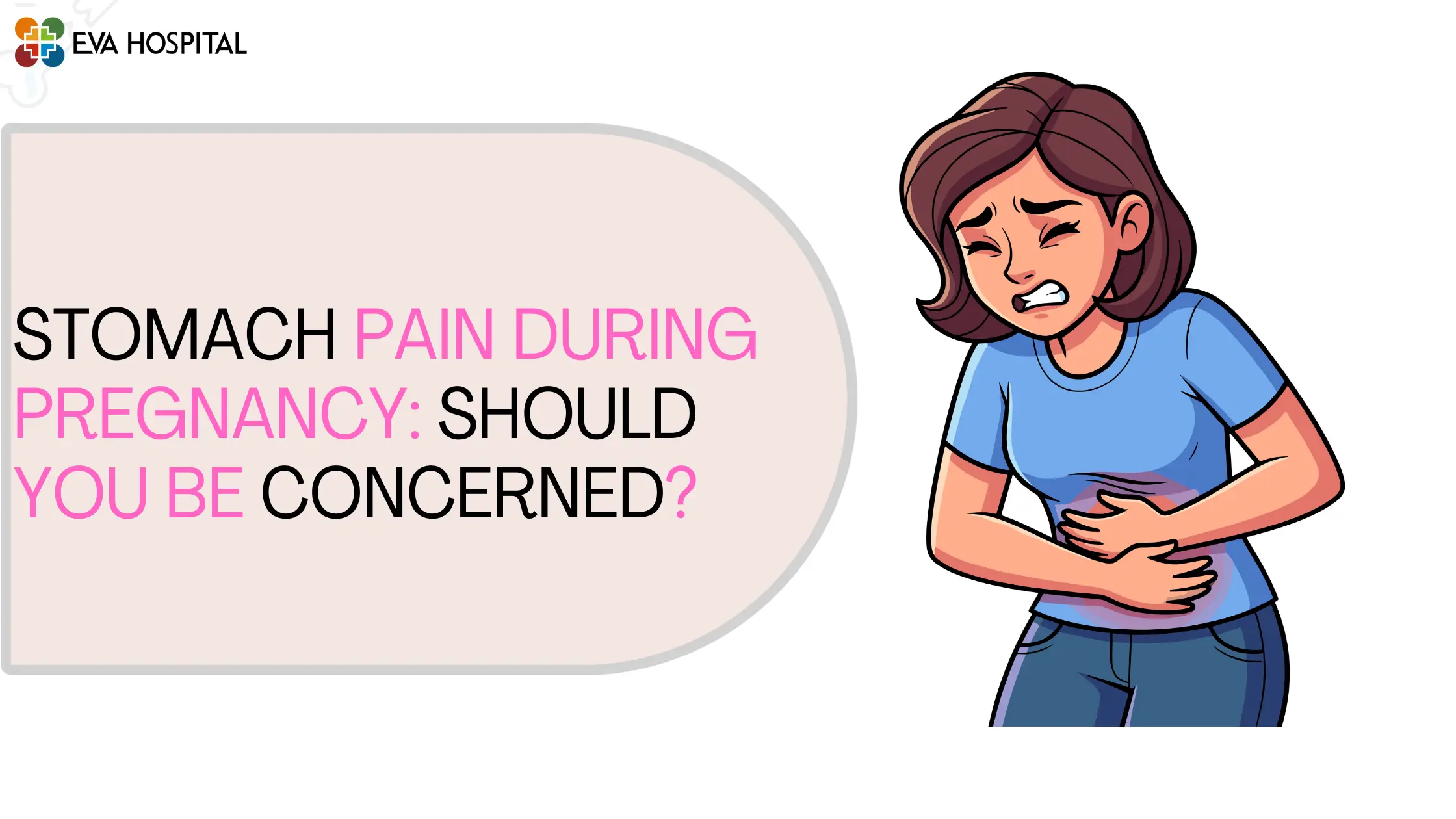
Understanding Stomach Pain During Pregnancy: Should You Be Concerned?
Stomach pain during pregnancy is a common experience that can occur at any stage, from the first trimester to the final weeks before delivery. The pain in most of the cases is insignificant and is related to the natural changes in the body such as the development of the uterus, the elongation of the ligaments or alteration of the digestive system. The hormonal changes may slows down the digestion and lead to the sensation of being constipated or bloated that may be unpleasant in the belly.
However, even though majority of the cases are not accompanied by any harm, certain tendencies of pain such as extreme, chronic, or acute pain cannot be ignored. The trick consists in considering symptoms and place, length and severity of time. A person can know whether they need medical attention or not by observing the signs that come with it like fever, bleeding or dizziness.
Common and Harmless Causes
One can explain the reasons that pregnant women complain of abdominal pains by using a variety of non-serious causes:
- Uterine Expansion: This is the expansion of the uterus, which causes the muscles and ligaments that cover the uterus to be extended causing a cramping or pulling sensation.
- Gas and Bloating: The hormonal alterations lead to a slow rate of digestion, which raises the level of gas.
- Constipation: The reduced frequency of bowel movements can result in abdominal pressure.
- Round Ligament Pains: These are sharp, transient pains on one side of the lower part of the abdomen which is a normal occurrence as the ligaments stretch.
Such pains usually fade off after having a rest, drinking and some exercise.
Warning Signs That Need Attention
Even though most causes are harmless, some symptoms demand an urgent appointment with a medical professional:
- Severe or worsening pain
- Pain accompanied by vaginal bleeding
- High fever or chills
- Persistent vomiting
- Fainting or dizziness
Early testing is useful in eliminating complications like ectopic pregnancy, miscarriage or infection.
Why Does Stomach Discomfort Happen in Early Pregnancy?
Early pregnancy as a fact is generally linked with the physical sensation that is readily perceivable without much strain. The hormonal changes begin almost immediately after conception and influence the digestive process, the tone of the muscles, and blood circulation. Many women report mild pain in stomach while pregnant, which can feel similar to menstrual cramps.
Hormonal Changes and Implantation
The elevations of progesterone in the first trimester result in relaxation of the smooth muscles of the body. Though this is good for the pregnancy it also retards digestive rate and this can cause bloating and discomfort. Besides, temporary cramping pains may occur because of the introduction of the fertilized egg into the uterine lining.
Some women also experience pain in upper stomach during early pregnancy due to indigestion or acid reflux. These are primarily temporary conditions that may be addressed through dietary modification.
Digestive Adjustments and Gas
It leads to constipation and gas due to the slow digestive system. This can explain why pain in stomach when pregnancy period start is a common concern. Eating in small portions, taking plenty of water and exercising could be very beneficial in relieving the stomachache.
When Should You Worry About Abdominal Pain?
Abdominal pain during pregnancy can range from mild and fleeting to intense and persistent. Whereas certain pain is explicable, certain parts of the pain characteristics are reportedly expected to necessitate further examination.
Ectopic pregnancy may occur during the initial stages of the pregnancy in case the pain is sharp, local and lingering, especially on one side. Miscarriage can be accompanied by extensive cramping and bleeding. In later stages of pregnancy, the pain in the abdomen that is never loose may be a pointer to pre-term birth.
Other symptoms such as blurred vision, swelling, or high blood pressure can be signs of the probability of preeclampsia. It is always wise to meet the doctor in case the pain is interfering with the normal functioning or is still developing.
Severe and Sudden Pain
Stressful and acute pain that is not relieved should not be ignored at all. The cases that require emergency treatment include placental abruption or appendicitis. The progression of pain can be monitored and the corresponding symptoms can be recorded to give the health personnel the assessment needed.
Pain with Other Symptoms
It can be painful, and in this case, fever, nausea and vomiting or pain in the urine can be a sign of being infected. This may lead to lower abdominal pain due to infection of the urinary tract that is common during pregnancy. Early treatment prevents complications.
Is Upper Abdominal Pain a Sign of Something Serious?
There are several possible causes of upper abdominal discomfort during pregnancy. The majority of those cases are related to the digestion, however, chronic pain in that area needs to be properly investigated.
The enlarged uterus might push up against the stomach and the diaphragm leading to acid reflux or heartburn. However, persistent pain in the upper abdomen often in the right-hand side, just below the ribs may be a cause to undergo medical attention.
Indigestion and Acid Reflux
The valve located between the stomach and the esophagus relaxes due to the effect of progesterone and the acid moves upwards. This can result in upper part abdominal pain or pressure. It can be beneficial to have smaller meals and consume fatty and spicy food.
Medical Conditions to Rule Out
Under the circumstances of upper abdominal swelling or headaches accompanied by severe pains, it may be due to liver complications. It is advisable that one should visit a medical practitioner as soon as possible in case the pain becomes chronic or acute.
How Can You Relieve Mild Pregnancy-Related Stomach Pain?
Simple measures suffice to take care of all minor pain in the vast majority of cases at home. Listening to the body and making small adjustments in the lifestyle can be of great help.
Stretching exercises, prenatal yoga, and short walks can be used to keep the digestive system in good shape and overcome stiffness. Correct hydration aids in bowel movements and no constipation is experienced.
Safe Home Remedies
- Warm compresses (not hot) on the abdomen
- Drinking warm water or herbal teas approved by your doctor
- Eating fiber-rich foods
- Maintaining proper posture
These approaches often ease discomfort without medication.
When Medication Is Necessary
A healthcare provider should be consulted when taking any medication. There are over the counter medicines that can be safe when pregnant but with professional advice they are safe for both the mother and the baby.
Can Stress and Anxiety Cause Stomach Pain?
To a great extent, happiness is part of physical experiences. Stress can lead to the tension of muscles and stomach upsets leading to discomfort.
The mother is hypersensitive to body sensations and even the slightest discomfort could be perceived to be more terrible due to the anxiety of pregnancy. It is possible to handle stress levels using relaxation methods (deep breathing, meditation, or prenatal counseling).
Mind-Body Connection
The gut is closely associated with the brain. Stress may also modify the digestive system emotionally, and this may be one of the causes of stomachache.
Strategies for Emotional Wellness
- Establish a consistent sleep schedule
- Engage in calming activities
- Seek support from family or healthcare providers
Prenatal health is an aspect of mental health care.
How Does Pain Change in the Second and Third Trimesters?
Abdominal pains will move with the progression of pregnancy. The protruding uterus shifts the internal organs up and outwards with the effect of giving an impression of pressure.
The pain of the round ligaments is more impressive in the second term and is experienced in sharp pains on the two sides of the stomach which are temporary. The tightening that takes place over the belly during the third trimester may be the Braxton Hicks contractions.
Second Trimester Adjustments
The body gets used to an accelerated increase in the uterus. Strain can be reduced by taking light exercises and maternity supportive clothing.
Third Trimester Considerations
In the coming birth it is important to distinguish the false labor and the real contractions. A medical worker is expected to evaluate ordinary and periodic pains that become more intense.
Prevention Tips for a Comfortable Pregnancy
One cannot, of course, help avoiding all the discomfort, but there are habits that make the overall well-being better and the chances of falling into trouble diminished.
A healthy digestive system is kept healthy because of a good diet comprising of fruits, vegetables, whole grains and low-fat protein. Physical activity improves blood flow and body muscle strength.
Early detection of potential issues will be ensured with the help of proper prenatal care. Regular checkups provide an assurance and a feeling that one can step in where it is required.
Frequently Asked Questions (FAQ)
Yes, slight cramping or pressure is typical since the uterus starts to grow and hormone levels. Severe pain however is to be assessed.
See your healthcare provider in case of severe pain that does not go away, is accompanied with bleeding, fever, and dizziness.
Yes. Poor hydration can be a cause of cramps and digestive problems. It is necessary to drink enough fluids.
Pregnancy-safe exercises that are gentle in nature are capable of enhancing blood circulation and digestion as well as alleviating light discomfort.
The digestive symptoms may be exacerbated by emotional stress. Discomfort can be treated using relaxation techniques.
Conclusion
This abdominal discomfort during pregnancy can be unwelcome but it is likely a common occurrence of pregnancy. Knowing the common causes, the common signs, and ensuring open communication with medical professionals will enable women to go through this stage with a lot of confidence.
Though the majority of cases of discomfort are not harmful and can be controlled by implementing changes in lifestyle, it is still essential to observe. Early care of critical or abnormal symptoms is the best way to guarantee the optimal results for the mother and the baby. The process of pregnancy is the process of transformation, and informed awareness will help to turn the uncertainty into reassurance.