Summary
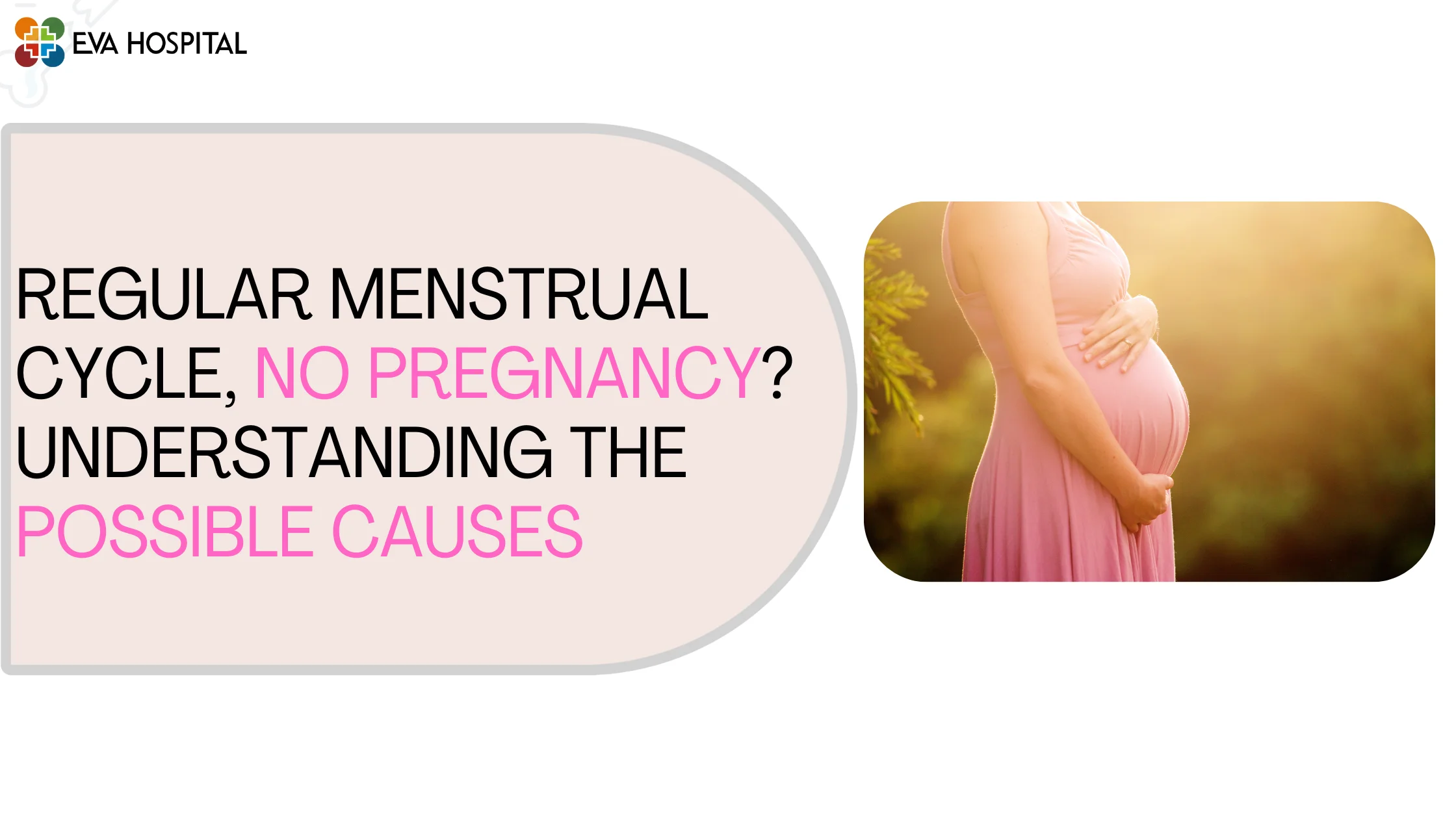
Having regular periods but not getting pregnant can feel confusing and emotionally draining. The majority of women assume that good fertility is an outcome of regular monthly period and it is not always the case. At due time, pregnancy may not occur since it may be undetected hormonal, medical, lifestyle or partner related causes. This article explains what is the reason for not getting pregnant, clears common misconceptions, and helps you understand how periods, ovulation, and fertility are truly connected.
Introduction
Hey there I Dr Shivani Bhutani will educate all you women about the reasons for not getting pregnancy even if you having regular menstrual cycle. If you are getting regular periods but not pregnant, you are not alone. Every struggling couple experiences it all the time when they cannot conceive and easily become frustrated when everything seems fine.
A normal menstrual cycle does not mean that you have a predictable pattern of running your body, but that does not mean it will be ovulated, healthy eggs, and then fertilised. Understanding why you may not conceive pregnancy despite regular periods is the first step toward finding the right solution. We will streamline the possible reasons and help you to make the wise choices.
1. Regular Periods Do Not Always Mean Successful Ovulation
A significant number of women feel that in case they are on time with their periods, the ovulation should be going ideally well. Ovulation and menstruation are not identical processes though they are related. Even with a weak, slow or delayed ovulation, not producing a healthy egg, you can continue to have regular bleeding periods. This is one of the most common reasons for having regular periods but not getting pregnant.
Does ovulation mean period?
Ovulation refers to the process by which an egg is discharged out of the ovary, whereas periods refer to the process by which the uterus is expelling the lining. You are able to have a monthly bleed without the release of a mature egg. This is the reason why there are women who have normal periods and still fail to conceive.
Silent ovulation problems
Other times ovulation occurs, but the level of hormones such as progesterone is too low to sustain implantation. This is not a problem that influences the timing of the cycle, but it diminishes the opportunities of pregnancy considerably.
2. Egg Quality Can Affect Pregnancy Even with Regular Cycles
Although ovulation may occur once in a month, the quality of the egg is important in conception. Low quality of eggs may either block the process of fertilization or lead to premature loss of pregnancy. This is an important but often overlooked cause when asking what is the reason for not getting pregnant.
Age-related egg changes
The egg quality of women also deteriorates naturally as they get older particularly beyond 30-35. Periods might still occur but the released eggs might not be genetically robust enough to become pregnant.
Lifestyle impact on egg health
Poor quality of eggs can be caused by stress, smoking, sleep deprivation, unhealthy food, and exposure to toxin. Even with frequent periods, lifestyle changes can have a positive influence on fertility.
3. Hormonal Imbalances Can Exist Despite Regular Periods
Ovulation, fertilization and implantation depend on hormonal balance. Surprisingly, most women, who have hormonal problems, have regular cycles. This makes diagnosis tricky when getting regular periods but not pregnant.
Thyroid and prolactin issues
The implantation and ovulation may be hampered by thyroid disorders and high levels of prolactin. Such conditions are not always noticed since they do not necessarily interfere with the timing of the cycles.
Low progesterone levels
The progesterone prepares the uterus to receive the pregnancy. In the case of low levels, the fertilized egg might fail to implant thus preventing the conception of pregnancy.
4. Timing Intercourse Incorrectly
Mistimed intercourse is a highly widespread cause of infertility even in regular cycles. Lots of couples fail to understand the fertile window and to get the most appropriate days to conceive. This directly impacts those asking, are periods to fertility directly linked?
Understanding the fertile window
The only way that pregnancy can occur after periods is the early ovulation. Period dates alone without ovulation monitoring can also minimize the possibilities.
Can pregnancy happen after periods?
The only way that pregnancy can occur after periods is the early ovulation. Period dates alone without ovulation monitoring can also minimize the possibilities.
5. Fallopian Tube or Uterine Issues
Even regular periods can be conceived pregnancy because of structural issues within the reproductive system. Such conditions usually have no symptoms and are only revealed after medical tests.
Blocked or damaged fallopian tubes
In case tubes are obstructed, sperm and egg are unable to meet. Periods will not be affected and still normal but fertilization will not take place.
Uterine abnormalities
Implantation may be interfered with by fibroids, polyps or scar tissue. Such problems do not necessarily influence the recurrence of menstruation but can make it impossible to get pregnant.
6. Male Factor Infertility Is Often Overlooked
It is not only the role of the woman to be fertile. In almost fifty percent to forty percent of the cases, male factors play a role in difficulty of conceiving. This is crucial to consider when a couple does not conceive pregnancy despite regular cycles.
Low sperm count or motility
Although intercourse occurs in perfect time, fertilization may not take place due to low quality in the sperm. Frequent intervals fail to offset the issues of male infertility.
Lifestyle factors in men
Sperm quality can be impaired by smoking, alcohol, stress, obesity and exposure to heat. Lifestyle modifications which are not complex can make a big positive difference.
7. Stress and Emotional Health Affect Fertility
Hormonal communication between the brain and reproductive organs when under constant stress may be broken. Such an effect is not likely to prevent periods but can decrease a fertility potential.
How stress impacts ovulation
Stress hormones may disrupt ovulation quality and hormone balance, causing conception to be more difficult even with regular cycles.
Emotional pressure while trying to conceive
The worry over being pregnant constantly may give rise to a anxiety cycle. Balance can be restored with relaxation techniques, counseling and emotional support.
8. Underlying Medical Conditions
Some of these medical conditions might not influence menstrual but can influence fertility. Such cases usually demand effective diagnosis and treatment.
Endometriosis
Mild endometriosis can not interfere with periods, however, it may involve the implantation, egg quality, or sperm movement.
Insulin resistance and PCOS variants
There are those women who have mild PCOS or insulin resistance whose periods are regular. These circumstances continue to influence the quality of ovulation and the fertility rates.
9. When to Seek Medical Help
When you have been making unsuccessful attempts that last more than a year (or 6 months in case you are more than 35 years old) you should seek the help of a fertility specialist. Making an early assessment will help to save time and emotional distress.
Basic fertility tests
Tests can involve tests of ovulation, hormone tests, ultrasound, semen test and tubal patency test.
Treatment options
The therapy can be in form of lifestyle, medication, ovulation, or assisted reproductive procedures based on the causative organism.
If you are facing a issue with your pregnancy you can connect with me. You can visit my Eva hospital we will discuss about IVF and all its all cost related to IVF.
Frequently Asked Questions (FAQs)
Yes, regular bleeding can occur without proper ovulation. This is the reason why ovulation testing is significant.
Ovulation will typically result in a period in case of no pregnancy, however, the appearance of a period does not always indicate a healthy ovulation.
Yes, it might be the case that when the ovulation process occurs shortly after menstruation and ovulation occurs during the fertility period, pregnancy will occur.
Periods indicate that there is hormonal cycling but fertility depends on the quality of the eggs, ovulation cycles, sperm conditions, and the conditions of the uterus.
The most prevalent causes include poor quality of eggs, hormonal imbalances, misplaced sense of time, male factor infertility and stress.