Summary
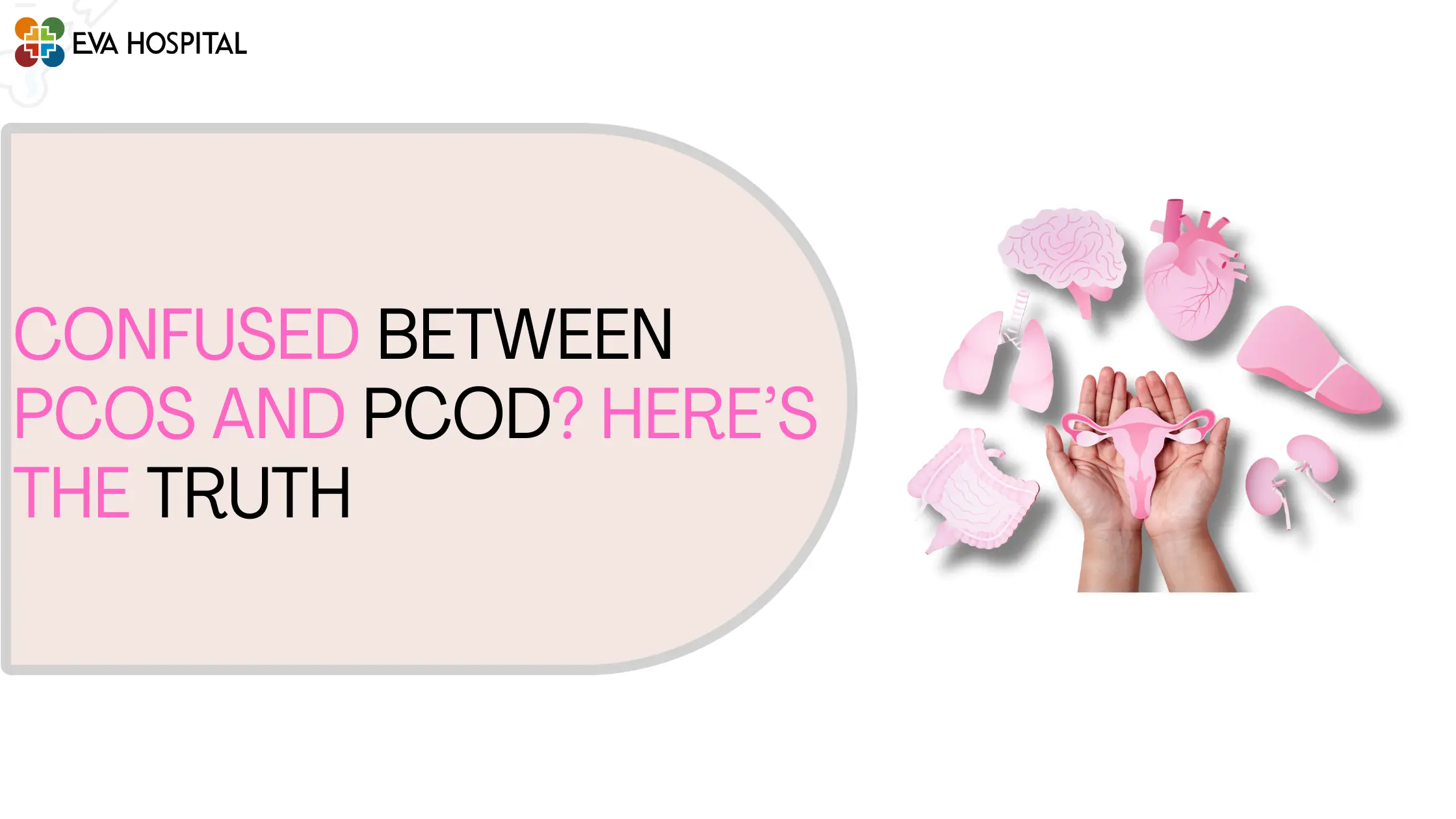
Women’s reproductive health issues are becoming very common yet poorly understood because of hormonal disorders. Among these, PCOS and PCOD are two terms that often create confusion because they sound similar and share overlapping symptoms. Lack of proper explanation causes many women to be diagnosed and consequently develop anxiety, misinformation and late treatment. This article will focus on giving an in-depth, systematic, and simplified explanation of the two conditions. By clearly explaining symptoms, causes, diagnosis, treatment options, and long-term health effects, this guide will help you understand the Difference between PCOS and PCOD and why that difference matters for your health, fertility, and overall quality of life.
Introduction
In the modern hectic world, women are experiencing the hormonal imbalances more than it has never happened before. The factors that have led to this increase have been stressful lifestyles, sedentary lifestyles, unbalanced eating habits and the ignorance of people regarding reproductive health. When women report having irregular periods, weight gain that has no explanation, acne and inability to conceive they are usually advised that they have PCOS or PCOD. Most of them unfortunately, walk out of the doctor’s office not knowing what is in a diagnosis.
Hi there, me Dr Shivani Bhutani, practicing as gynae doctor in Ludhiana, will share based on my experience that the Difference between pcos and pcod is not just a medical technicality it directly affects how the condition is treated, how serious it is, and what long-term health risks may exist. The two conditions are not the same whereas the two conditions involve the ovaries and hormonal imbalance. These awareness gaps can enable women to control their health as opposed to being overwhelmed or having fear. This article breaks down every aspect of PCOS and PCOD in depth so that confusion can be replaced with clarity.
What Are PCOS and PCOD? (Understanding the Basics)
Before comparing these conditions, it is essential to understand what is pcod and Pcos in simple yet detailed terms. The two conditions both impact women at reproductive age and are both associated with hormonal imbalance, albeit the mechanisms underlying them vary greatly.
PCOD or Polycystic Ovarian Disease is a situation in which ovaries produce numerous immature or semi-mature eggs. These eggs usually become stagnant in the ovaries resulting in cysts. In spite of this, ovulation does take place in most instances but it might be irregular. PCOD is normally affected by lifestyle and is assumed to be mild.
PCOS, however, is a complicated hormonal and metabolic syndrome. There is excess production of male hormones also known as androgens in the ovaries in PCOS. This interferes with ovulation and influence several body systems such as insulin regulation, metabolism, and heart condition. PCOS is not ovarian based and could need prolonged medical treatment.
Difference between pcos and pcod
Understanding the Difference between pcos and pcod is essential because both conditions have different causes, treatment approaches, and long-term implications. PCOD could be reversed in most cases using lifestyle change but PCOS is a permanent disease, which has to be managed forever. PCOD is mainly limited to the functioning of the ovary, but PCOS is a disease that affects the whole endocrine system.
PCOD in women is not characterized by severe symptoms, and ovaries remain functional. Conversely, PCOS tends to result in total ovulation breakdown and predetermines more severe physical and metabolic symptoms. This is the reason why early and proper diagnosis is of great significance.
PCOD: A Condition Largely Influenced by Lifestyle
The lifestyle patterns that are often attributed to PCOD are poor diet, no physical activity, and stress over a long period. PCOD ovaries continue to produce eggs; however, the ovarian production is abnormal. This is the reason why fertility is not normally affected permanently. Most of the women have a total reversal of symptoms in the long-term with regular changes in lifestyle.
PCOS: A Hormonal and Metabolic Disorder
PCOS is far more complex. It is characterized by insulin resistance, hyperplasia of androgen and persistent inflammation. All this complicates the management of weight and predisposes to long-term complications like diabetes and heart disease. The symptoms of PCOS are also likely to continue despite lifestyle modifications, and this is why treatment by a doctor is necessary in most cases.
PCOS and PCOD: Are They Really the Same?
One of the most frequently asked questions is: is pcod and pcos same? The response is no, even though they are similar. This is confusing since the two conditions have the ability to manifest cysts on the ovaries and irregular menstrual cycles. Nonetheless, PCOS is a condition that impacts the different body systems whereas PCOD is an ovarian disease.
Why Are These Conditions Often Confused?
This resemblance in the names and overlapping of the symptoms leads to general confusion. Also, most individuals interchangeably use terms in an informal sense, which further propagates misinformation. Unless it is explained, women can either under-rate the severity of PCOS or over-rate the severity of PCOD.
How Medical Diagnosis Differentiates Them
Physicians employ hormone tests, ultrasound, symptom patterns, and metabolic markers as a means of differentiating between the two. The diagnosis of PCOS tends to rely on certain criteria in regard to the levels of androgens and ovulation cycles, but the diagnosis of PCOD revolves more around ovarian morphology and menstrual cycle disruption.
Symptoms of PCOS and PCOD
Symptoms are an important way of determining and treating these conditions yet they may differ greatly with each new woman.
Symptoms of PCOD
Women having PCOD do complain of irregular periods, slight weight gain, acne here and there and also mood swings. There are generally low levels of hair growth and skin problems. Shirtfulness problems can arise, yet with a change in lifestyle, they tend to be short-term.
Symptoms of PCOS
The symptoms of PCOS tend to be more severe and chronic. These involve skipped or skipped sessions, excessive body and facial hair, acne, thinning hair of the head, dark skin spots and lack of ability to lose weight. Hormonal imbalance also predisposes a person to emotional symptoms like anxiety and depression.
Causes of PCOS and PCOD
The causes are the only way to achieve successful treatment and prevention.
Causes of PCOD
External factors, including poor diet, limited physical activity, abnormal sleeping, and stress, are the major causes of PCOD. These reasons interfere with hormones and influence ovarian activity.
Causes of PCOS
There are deeper biological origins of PCOS. The genetic predisposition is a significant factor, as well as insulin resistance and chronic inflammation. Lifestyle changes do not help correct hormonal imbalance in PCOS.
Diagnosis: How Are These Conditions Identified?
A combination of physical examination, medical history, and diagnostic tests is usually used as the diagnosis. Ultrasound scan assists in the detection of cysts, and blood tests check the level of hormone and insulin. Accurate diagnosis is crucial because treatment strategies differ significantly between PCOS and PCOD.
Treatment Options for PCOS and PCOD
Treatment depends on symptom severity, age, and reproductive goals.
Treatment for PCOD
The treatment of PCOD is based on lifestyle changes. A healthy diet, physical activities, stress management and weight management usually result in great improvement. Short-term medication can be prescribed to control menstrual cycles.
Treatment for PCOS
PCOS is a long term condition. The treatment could be hormonal therapy, insulin sensitizing drugs, and fertility treatment in case one wants to have a child. Lifestyle modifications are still significant and are not typically adequate.
Long-Term Health Risks
One major Difference between pcos and pcod lies in long-term health risks. When treated, PCOD hardly causes severe complications. Nevertheless, PCOS puts the risk of developing type 2 diabetes, cardiovascular disease, high blood pressure, and endometrial cancer at risk in case the condition remains untreated.
PCOS and PCOD Full Form
For clarity, the pcos and pcod full form is:
- PCOS: Polycystic Ovary Syndrome
- PCOD: Polycystic Ovarian Disease
The interpretation of these definitions points to the reason why PCOS is regarded as a syndrome and not merely an ovarian condition.
Why Knowing the Difference Matters
Knowing the pcod and pcos difference helps women seek appropriate medical care, avoid misinformation, and take proactive steps toward better health. With the early diagnosis and proper management, there is a significant improvement in the quality of life and fertility.
Frequently Asked Questions (FAQ)
Yes, a large portion of women have full-scale symptomatic reversal when their lifestyle is regularly improved.
PCOS is a long term condition though treatment and lifestyle changes can help to control its symptoms.
Yes, there are quite a few women conceiving without help or with medical help based on severity.
Indeed, chronic stress has severe influence on hormonal balance and severity of symptoms.
Yes, the two conditions are becoming common because of the modern lifestyle trends.
Conclusion
Being confused between PCOS and PCOD is understandable, but informed awareness can change everything. Through awareness of symptoms, causes and treatment, women will be able to control their reproductive and general health. The Difference between pcos and pcod is not just medical—it shapes long-term well-being, fertility, and quality of life. The secrets to controlling both conditions include knowledge, early intervention and regular care.