
IVF Treatment in Punjab at Eva Hospital, Ludhiana
For couples facing difficulty in conceiving, understanding the cause of infertility is the first step towards choosing the right treatment. At Eva Hospital, Ludhiana, fertility care begins with a detailed evaluation of both partners, followed by an individualized treatment plan based on age, ovarian reserve, reproductive history, semen parameters and the underlying cause of infertility.
Under the care of Dr. Shivani Bhutani, Eva Hospital provides IVF and fertility treatment for patients from Ludhiana and across Punjab. Treatment may range from simpler fertility interventions to IUI, IVF, ICSI, embryo freezing and other assisted reproductive techniques, depending upon what is medically appropriate for the individual couple.
IVF is not automatically the first treatment for every patient. Our approach is to understand why pregnancy is not occurring and recommend treatment accordingly.
The treatment, explained
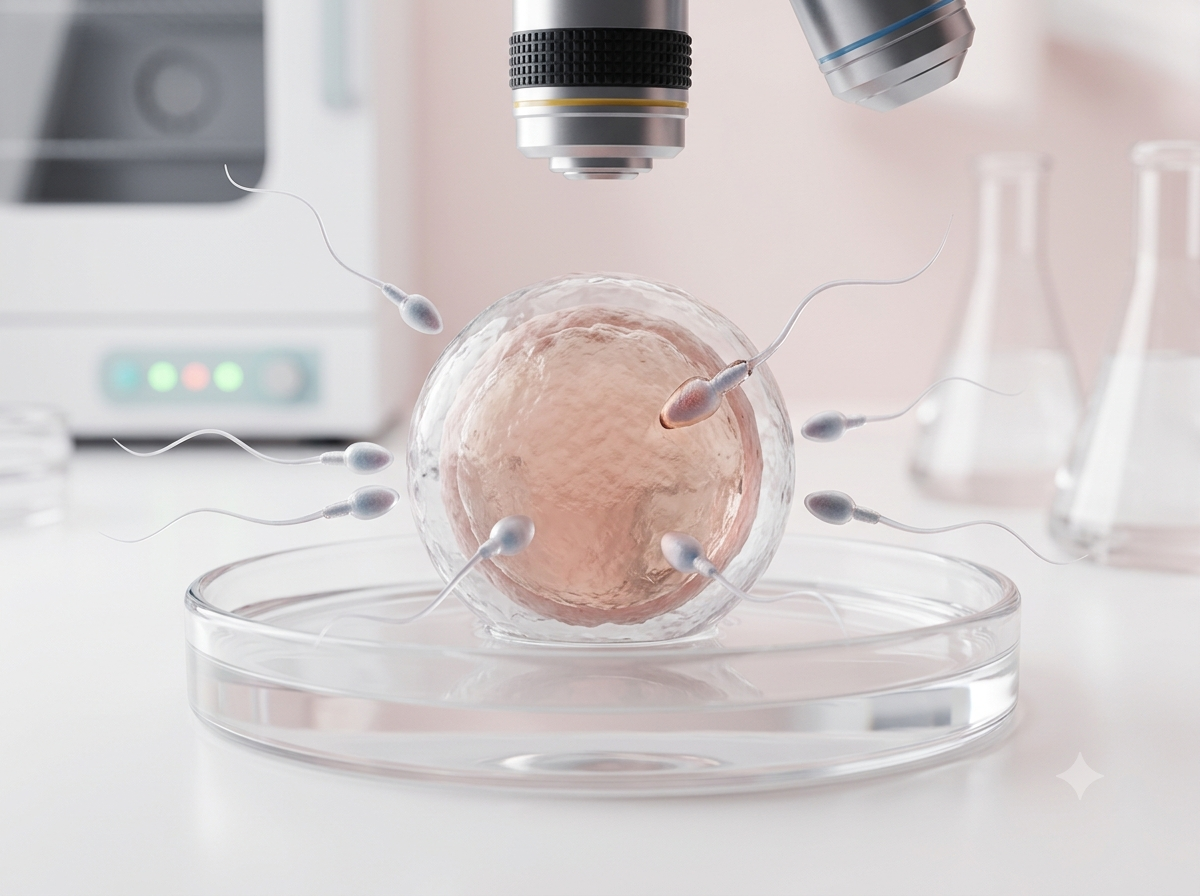
What Is IVF?
Who May Need IVF Treatment?
Unexplained infertility
Reduced ovarian reserve
Age-related decline in fertility
Endometriosis
Previous unsuccessful fertility treatment
Male-factor infertility (sperm count or motility)
Blocked or damaged fallopian tubes
Repeated unsuccessful IUI cycles
Ovulation disorders not responding to other treatment
Certain combinations of male and female fertility factors
Situations where IVF with ICSI is considered appropriate
Your IVF Journey
Assessment
Fertility work-up for both partners
Stimulation
Medication to develop multiple eggs
Monitoring
Ultrasound & hormone tracking
Egg Retrieval
Eggs collected under sedation
Fertilisation
IVF or ICSI in the laboratory
Embryo Culture
Embryos observed as they develop
Embryo Transfer
Selected embryo placed in the uterus
Pregnancy Test
Blood test confirms the outcome
The IVF Process: Step by Step
Understanding what happens during IVF can make the treatment considerably less intimidating. Although protocols vary between patients, an IVF cycle generally involves the following stages.
Fertility Assessment and Planning
Treatment begins with a detailed consultation and review of the couple's reproductive and medical history. The female partner may undergo assessment of ovarian reserve, hormonal investigations and pelvic ultrasound, while semen analysis and other investigations may be advised for the male partner. These findings help determine whether IVF is appropriate and allow the stimulation protocol to be individualized.
Ovarian Stimulation
During a natural menstrual cycle, the ovaries usually develop a single dominant egg. During IVF, fertility medications are used to stimulate the ovaries so that several follicles may develop simultaneously. The dose and combination of medication are selected according to factors such as age, ovarian reserve and previous response to fertility treatment.
Monitoring Follicular Development
During stimulation, ultrasound examinations and, where required, blood tests are performed to monitor the developing follicles. Medication doses may be adjusted according to the ovarian response. Once the follicles have reached an appropriate stage of development, a trigger injection is given to prepare the eggs for retrieval.
Egg Retrieval
Egg retrieval is scheduled at a carefully determined interval following the trigger injection. Under ultrasound guidance, the mature follicles are accessed and the follicular fluid containing the eggs is collected. Appropriate anaesthesia or sedation is used to make the procedure comfortable. The collected eggs are then transferred to the embryology laboratory.
Sperm Preparation
A semen sample is generally obtained on the day of egg retrieval and processed in the laboratory to select suitable sperm for fertilization. In situations involving significant male-factor infertility, additional evaluation or sperm-retrieval techniques may sometimes be required.
Fertilization — IVF or ICSI
With conventional IVF, prepared sperm and eggs are brought together in the laboratory to allow fertilization to occur. When ICSI is indicated, an embryologist introduces a single selected sperm directly into an egg. ICSI is particularly useful in certain cases of male-factor infertility and in other selected clinical situations.
Embryo Development
After fertilization, embryos are carefully observed as they develop in the laboratory. Depending upon embryo development and the individual treatment plan, embryo transfer may be performed at an appropriate developmental stage. In suitable circumstances, embryos may be cultured to the blastocyst stage before transfer or freezing.
Embryo Transfer
A selected embryo is transferred through the cervix into the uterus using a fine catheter. The procedure is generally straightforward and usually does not require anaesthesia. The number of embryos transferred should be decided individually, taking into account the patient's age, embryo characteristics, reproductive history and the risks associated with multiple pregnancy.
Transferring more embryos is not simply a way of guaranteeing greater success. Multiple pregnancy is an important preventable risk of fertility treatment, which is why embryo-transfer decisions need to balance the chance of pregnancy with maternal and fetal safety.
Embryo Freezing
If additional suitable embryos are available, they may be frozen by vitrification for possible future use. Frozen embryos may subsequently be used in a frozen embryo transfer cycle without repeating ovarian stimulation and egg retrieval.
After Embryo Transfer
Medication is generally continued to support the uterine lining after embryo transfer. A pregnancy test is performed at the appropriate interval advised by the fertility specialist. If positive, further evaluation is arranged to confirm the location and progress of the pregnancy.
IVF or ICSI: What Is the Difference?
Conventional IVF
ICSI
Embryo Transfer & Embryo Freezing
Embryo Transfer
Embryo Freezing (Vitrification)
What Determines IVF Success?
Woman's age
Ovarian reserve
Number and quality of eggs obtained
Sperm quality
Embryo development
Uterine and endometrial factors
Individual response to ovarian stimulation
Cause and duration of infertility
Previous pregnancies and fertility treatments
Associated medical conditions
Is IVF Safe?
Fertility Treatments at Eva Hospital
ICSI – Intracytoplasmic Sperm Injection
IUI – Intrauterine Insemination
Female Infertility Evaluation & Treatment
Male Infertility Evaluation & Treatment
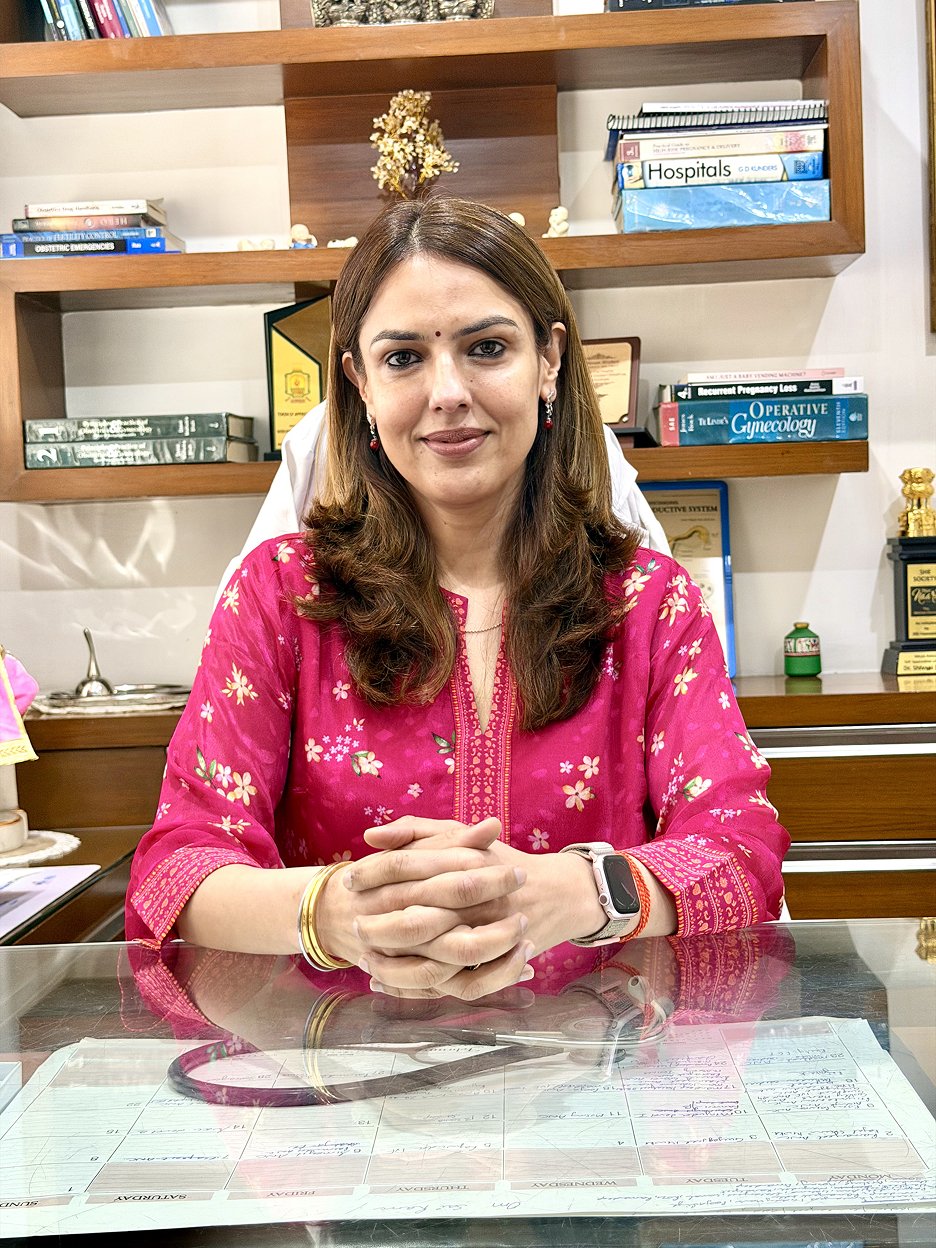
Meet Dr. Shivani Bhutani
Dr. Shivani Bhutani leads IVF and fertility care at Eva Hospital, Ludhiana. Her approach to infertility treatment is based on first establishing the likely cause of difficulty in conceiving and then choosing an appropriate treatment strategy for the individual couple, rather than applying the same IVF protocol to every patient.
Her fertility practice includes evaluation and treatment of female and male infertility, ovulation-related disorders, IUI, IVF, ICSI and assisted reproductive treatment.
Why Choose Eva Hospital for IVF Treatment in Punjab?
Individualized Fertility Treatment
Complete IVF Treatment Pathway
IVF & ICSI
Embryo Freezing
Clear Counselling
Fertility Care in Ludhiana
Stories From Our Patients
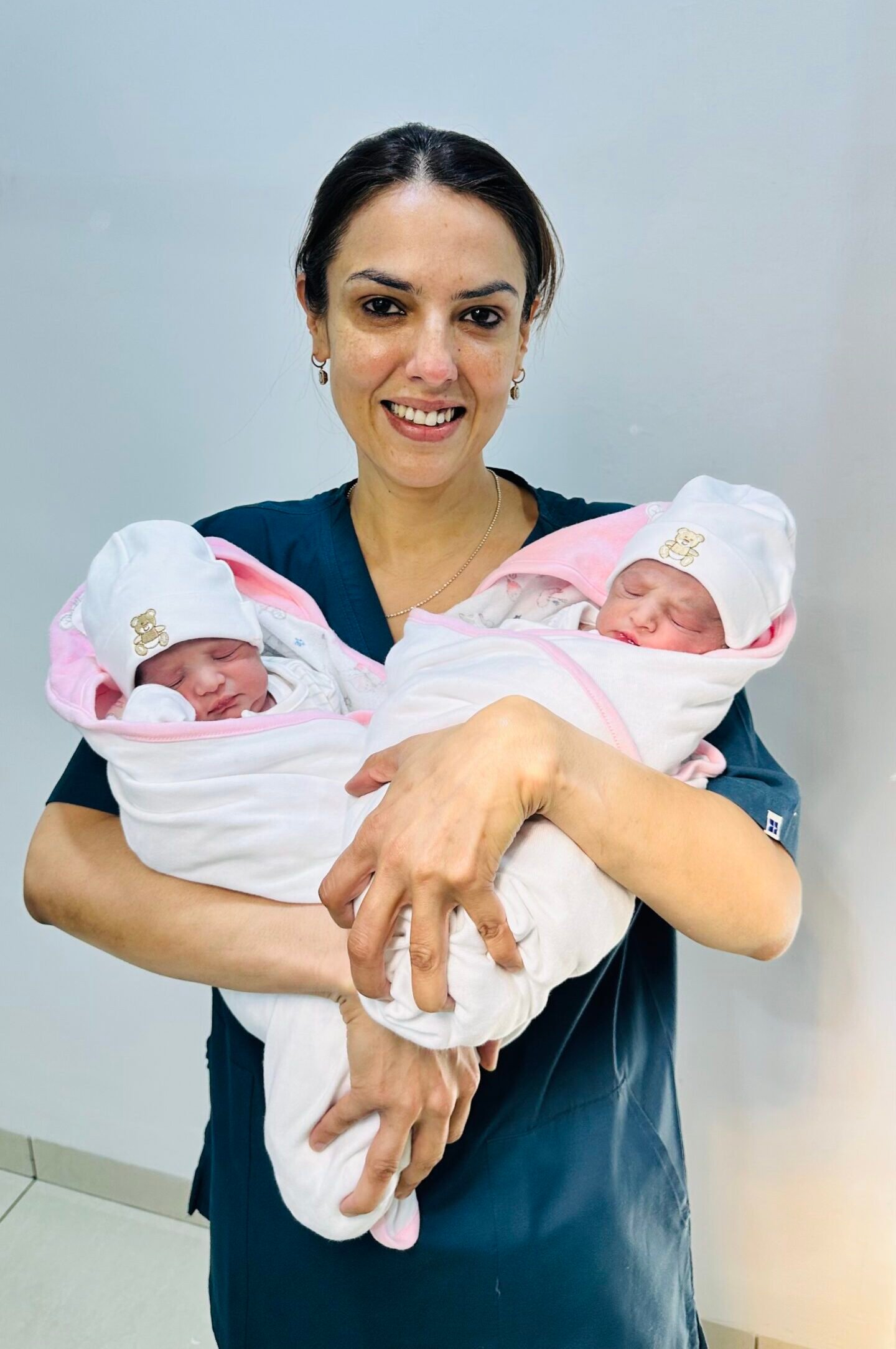
After several years of marriage, our dream finally came true. Yesterday we were blessed with our beautiful baby boy. We are truly thankful to Dr. Shivani Bhutani and the entire team.
Thank you to the amazing team and a very sincere doctor like Dr. Shivani. She is thorough, very detailed and takes every concern seriously. The entire experience was wonderful.
With immense gratitude and happiness, I want to thank Dr. Shivani for helping us with our beautiful baby girl. Her care and support made this journey very special for our family.
I had a great experience with the gynaecologist at this clinic in Ludhiana. She was very caring, patient and explained everything clearly. Definitely one of the best gynaecologists in Ludhiana.
After 13 long years of heartbreak, failed pregnancies and repeated abortions, God finally blessed us with a baby boy. This miracle became possible at Eva Hospital under the compassionate care of Dr. Shivani Bhutani.
Yesterday was the most beautiful day of our lives as we welcomed our baby boy into this world through IVF, performed by Dr. Shivani Bhutani at Eva Hospital. We are deeply grateful for her expertise, care and constant support.
After 12 long years of prayers, hope and patience, God finally answered us. We are from outside Ludhiana and our journey led us to IVF. In the very first attempt, we were blessed with our baby.
Trustindex verifies that the original source of the review is Google.
Amazing experience.Posted on Google
 HARSHOne of the best hospitalsPosted on Google
 Sahil KatochI have a wonderful experience at Eva Hospital.Posted on Google
 Yatharth SinghExcellent treatment provided by dr tanveer singh bhutani.A very humble and experienced doctor in Ludhiana cityPosted on Google
 Monny MantraI can't express my gratitude in words for Eva Hospital. Dr bhutani is a very pleasing personality, very humble and brilliant doctor. He patiently listens to all his patients..He and his staff is very cooperative and polite I highly appreciate the caring and Loving attitude of staff mr gurjinder, Muskaan ,raman ,Gurpreet manpreet ,preet and sunita aunti. I would highly recommend Eva Hospital .I am so glad that i chose EVA Hospital. May god bless all of them with more success.Posted on Google
 Kamini BehlBest orthopedic doctor in ludhiana city must recommended for back painPosted on Google
 Deepak Sharma* - "Immense support from the doctor and her team made me feel most . The staff at EVA Hospital is wonderful. Everyone is so helpful." Thanks a lot for Warm hospitality by the team. Thanks a lot to Dr. shivani mam (An expertise and a trustable gynae.")Posted on Google
 Ikrar Alam